Salix, Genus, babylonica, Species,
- Genus & species
weeping willow
Northern China; the species epithet babylonica was applied by Linnaeus in the 18th century in the mistaken belief that this was the willow of Babylon referenced in Psalm 137, but the tree is not native to the Middle East
Overview
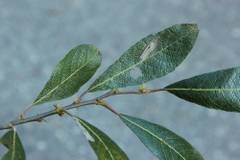
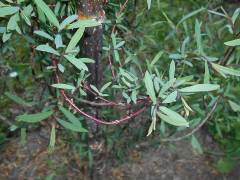
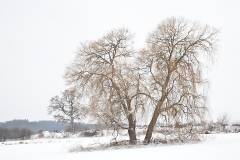
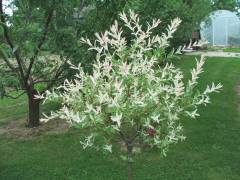
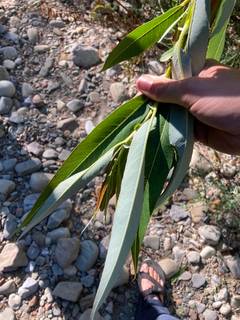
Salix babylonica is a large deciduous tree in the family Salicaceae reaching 30–50 feet (9–15 m) tall and 35–45 feet (10.5–13.5 m) wide — often wider than tall — with long pendulous (weeping) branchlets that sweep from the outer canopy to the ground in the mature tree. Leaves are narrow lanceolate, finely serrated, 3–6 inches (7–15 cm) long, bright green on the upper surface and gray-green beneath, and the foliage emerges in early March before most other deciduous trees and drops in late November after most other deciduous trees have already shed their leaves, giving the species a leaf-bearing season that extends 4–6 weeks beyond other temperate deciduous trees in the same landscape. Yellowish catkins 1–2 inches (2.5–5 cm) long open with the new leaves in March and April and are wind-pollinated. The species is named babylonica from an 18th-century error by Linnaeus, who believed the tree to be the willow of Babylon referenced in Psalm 137 of the Hebrew Bible; the tree is native to northern China rather than the Middle East, and it reached European gardens through trade routes from China long before Linnaeus gave it the misleading specific epithet. Many nursery trees sold as S. babylonica are actually the hybrid S. × sepulcralis (a cross with S. alba), which is hardier in cold winters and more commonly available in North American nurseries. Growth is rapid at 3–6 feet (0.9–1.8 m) per year in suitable moist soil. Limitation: S. babylonica carries a combination of hazards that makes residential landscape use difficult: the aggressive water-seeking root system extends 2–3 times the canopy spread, reaching 70–135 feet (21–41 m) from the trunk, and invades sewer lines, septic systems, drain tiles, water supply lines, and foundation footings where it finds moisture, so sites within 100 feet (30 m) of any underground utilities or buildings are unsuitable for this species. The wood is brittle and branches fail in ice storms and high winds, calling for frequent cleanup after every storm event, and the species is short-lived for a tree of this size at 30–50 years versus the 100–400 year lifespan of most other large landscape trees. Borers, cankers, tent caterpillars, and leaf diseases all affect the species and shorten the productive life further.
Native Range
Native to northern China. The species epithet babylonica was applied by Linnaeus in the 18th century in the mistaken belief that the tree was the willow of Babylon referenced in Psalm 137 of the Hebrew Bible, but the tree is not native to the Middle East and reached European gardens through trade routes from China during the 17th and 18th centuries. The hybrid Salix × sepulcralis (a cross of S. babylonica with S. alba) is hardier and more commonly planted in North American landscapes than the pure species.Suggested Uses
Used as a specimen tree near ponds, lakes, irrigation reservoirs, and other large open wet sites at 35–45 foot (10.5–13.5 m) spacing from structures and utilities where the 70–135 foot (21–41 m) root spread of the aggressive water-seeking system will not reach any underground feature. Small residential lots, positions near buildings, driveways, septic systems, and buried utility corridors are unsuitable because of the root invasion risk and the brittle-wood storm damage pattern. The hybrid S. × sepulcralis carries the same weeping silhouette with better cold hardiness and is more commonly available in North American nurseries than the pure S. babylonica. The short 30–50 year lifespan, the heavy litter of small branches and leaves, and the recurring storm cleanup should all factor into the planting decision from the start.How to Identify
Appearance
Size & Dimensions
Height30' - 50'
Width/Spread35' - 45'
Bloom Information
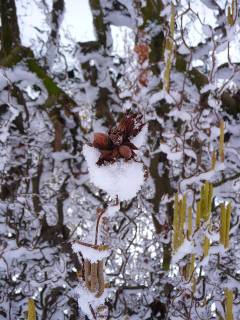
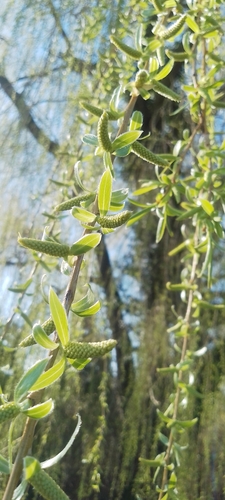
Yellowish catkins 1–2 inches (2.5–5 cm) long open with the new leaves in March and April and are wind-pollinated and worked lightly by early-season bees. The bloom is inconspicuous and is not an ornamental feature of the species. No ornamental fruit follows.
Detailed Descriptions
Flower Description
yellowish catkins 1-2 inches (2.5-5 cm) long opening with the new leaves in March and April; inconspicuous and wind-pollinatedFoliage Description
bright green on the upper surface, gray-green beneath; narrow lanceolate, finely serrated, 3-6 inches (7-15 cm) long, borne on long pendulous branchlets that sweep toward the ground; turns yellow in fall and drops late in the autumn cycle after most other deciduous trees have already shed their leavesGrowing Conditions
Sun Requirements
Requires 6-12 hours of direct sunlight daily
• Full Sun: 6+ hours of direct sunlight
• Partial Shade: 3-6 hours of direct sunlight
• Full Shade: Less than 3 hours of direct sunlight
Care & Maintenance
Care Guide
Site in full sun with 6–12 hours of direct sun per day in consistently moist to wet soil with a pH of 5.5–8.0. The species tolerates seasonal flooding, clay, silt, and loam substrates and establishes rapidly on pond banks, lake margins, and stream edges. Growth is rapid at 3–6 feet (0.9–1.8 m) per year. Sites within 100 feet (30 m) of sewer lines, septic systems, drain tile fields, water supply lines, foundation footings, patios, driveways, and underground utilities are unsuitable for this species because the aggressive water-seeking root system extends 2–3 times the canopy spread and invades any underground water source or void. Brittle wood calls for frequent cleanup of fallen branches after every ice storm or high wind event, and borers, cankers, tent caterpillars, and leaf diseases all affect the species through the growing season without producing mortality but shortening the productive life. The short 30–50 year lifespan should be planned for from the start of the planting. Hardy in USDA zones 4–9 (the hybrid S. × sepulcralis is hardier through zone 4 than the pure species, which struggles in zone 4 winter cold).Pruning
Pruning is done in winter (January and February) while the tree is dormant. Dead, broken, and crossing branches are removed after every significant storm event because the brittle wood fails repeatedly through the growing season, and regular deadwood removal is the main maintenance task for the species. Lower pendulous branches that sweep to the ground can be raised by removing the lowest weeping branches to allow foot traffic, lawn mowing, or sightlines beneath the canopy, and the natural weeping form is preserved in the upper crown. Formative pruning is kept to the minimum needed because heavy cuts stimulate water sprouts that further weaken the brittle branching framework.Pruning Schedule
Prune: January–February
winter