Image 1 of 8
1 / 8
Plant Reference
Salix, Genus, purpurea, Species, 'Nana', Cultivar,
- Genus & species
- Cultivar
dwarf Alaskan purple willow
Species native to Europe, western Asia, and North Africa; 'Nana' is a dwarf cultivar selection that has been in Western cultivation for garden and basket-weaving use since the 19th century
Overview
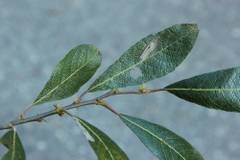
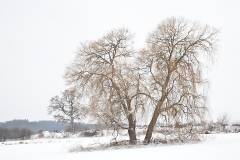
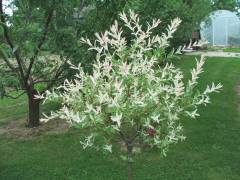
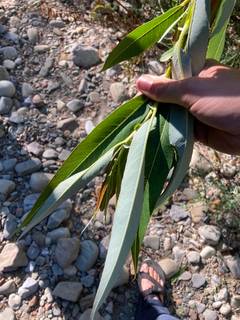
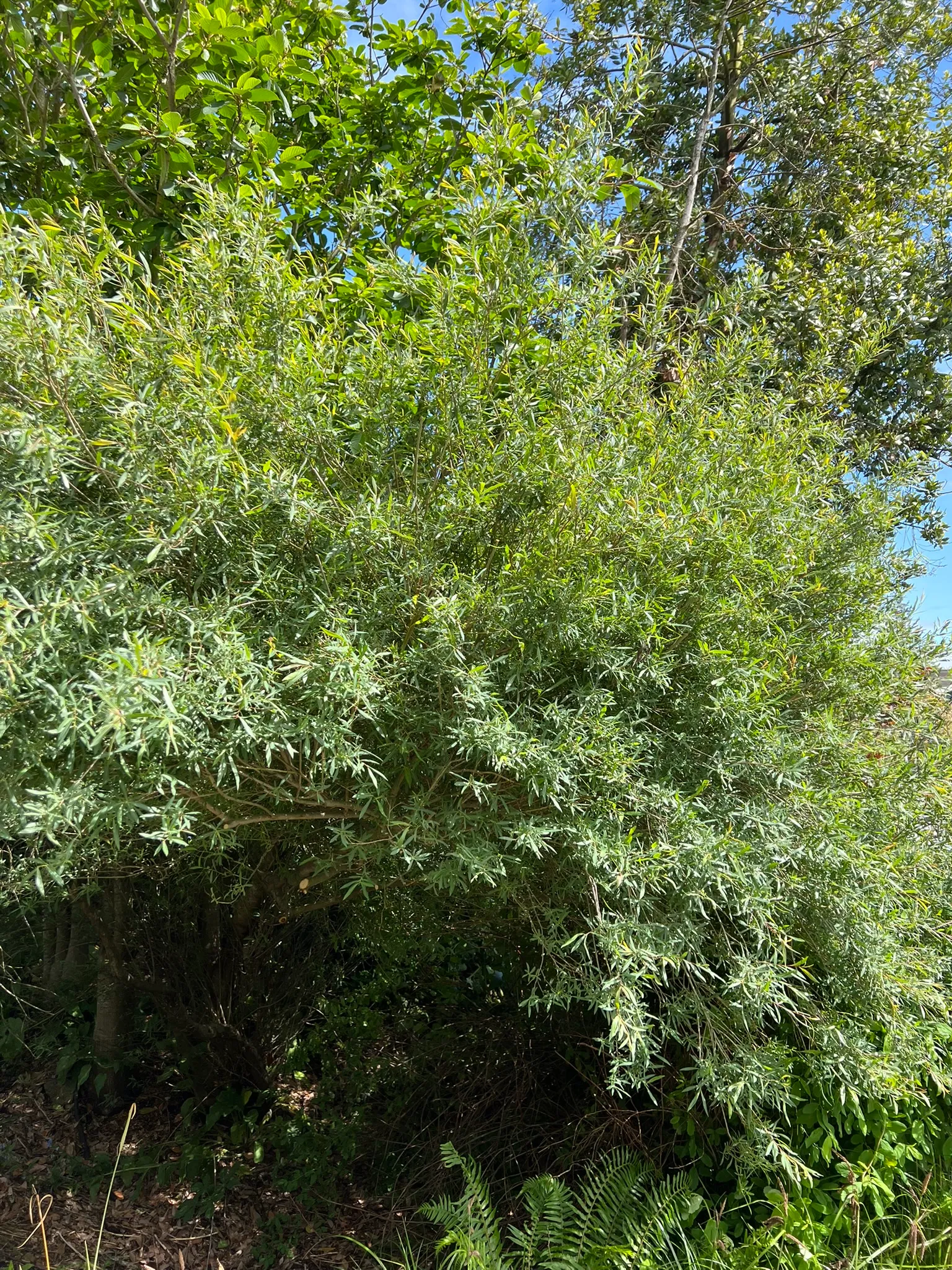
Salix purpurea 'Nana' is a compact mounding deciduous shrub in the family Salicaceae reaching 3–5 feet (0.9–1.5 m) tall and 3–5 feet (0.9–1.5 m) wide, a dwarf selection of a species that reaches 8–15 feet (2.4–4.5 m) in the wild type. Leaves are narrow oblanceolate, 1–3 inches (2.5–7 cm) long, blue-green to gray-green in summer, and closely spaced along the thin flexible stems so the overall texture is soft and delicate at normal viewing distance. Young stems carry a purplish-red tint that is the source of the species epithet purpurea and is most visible on the previous-year growth through winter and early spring before the new foliage develops. Silvery catkins 0.5–1 inch (1.3–2.5 cm) long open on the bare branches in March and April before the leaves emerge and are inconspicuous at normal viewing distance. Fall color is a clean yellow before leaf drop. The bark of S. purpurea contains salicin, a natural salicylate that is a precursor to salicylic acid, and extracts of the species have been used in traditional European herbal medicine for the same analgesic and antipyretic purposes for which aspirin is now used. The thin flexible stems are harvested by basket-weavers through winter dormancy for wickerwork, and 'Nana' is one of the dwarf cultivars used in small-craft production alongside the larger species type. Limitation: without annual coppicing the shrub becomes open, leggy, and twiggy within 3–4 years as the original stems elongate past the compact mounding shape of newly coppiced plants, so the compact form that is the reason for planting the cultivar calls for an annual hard pruning routine that many gardeners do not carry out; the species is also not drought-tolerant and calls for consistently moist soil, so exposed dry sites produce early leaf drop and twig dieback.
Native Range
The species Salix purpurea is native to Europe from Ireland and the British Isles across continental Europe to western Asia and North Africa, growing along stream banks, wet meadows, and marshes across its range. 'Nana' is a dwarf cultivar selection of the species that has been in Western cultivation for garden use and basket-weaving since the 19th century and is commonly sold under the names dwarf Alaskan purple willow, dwarf Arctic willow, and dwarf purple osier in North American nurseries despite the European native range of the parent species.Suggested Uses
Used as a low hedge, border edging, rain garden plant, pond edge planting, and container specimen at 3–5 foot (0.9–1.5 m) spacing, and in containers of at least 10 gallons (38 L) with consistently moist potting mix. The blue-green finely textured foliage, the compact mounding habit, and the tolerance of wet and rain-garden positions suit the cultivar for modern rain garden and residential stormwater plantings, and the annual coppiced stems supply basket-weaving material for craft use. Dry exposed sites and gardens where the annual coppicing routine will not be carried out are unsuitable because of the consistent moisture requirement and the loss of compact form without annual hard pruning.How to Identify
Appearance
Size & Dimensions
Height3' - 5'
Width/Spread3' - 5'
Bloom Information
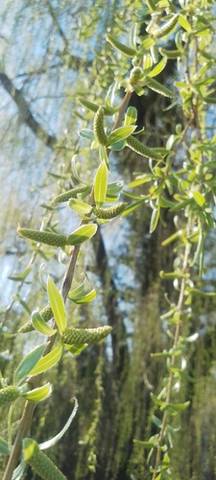
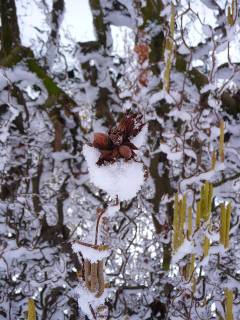
Silvery catkins 0.5–1 inch (1.3–2.5 cm) long open on the bare branches in March and April before the leaves emerge and are wind-pollinated and worked lightly by early-season bees. The bloom is inconspicuous at normal viewing distance and is not an ornamental feature of the cultivar, which is grown for the dense blue-green foliage and the compact mounding habit rather than for floral display.
Detailed Descriptions
Flower Description
silvery catkins 0.5-1 inch (1.3-2.5 cm) long opening on bare branches in March and April before leaf emergence; inconspicuous and wind-pollinatedFoliage Description
blue-green to gray-green through the growing season; narrow oblanceolate, 1-3 inches (2.5-7 cm) long, closely spaced along thin flexible purplish-red stems; turns yellow in fall before leaf dropGrowing Conditions
Sun Requirements
Requires 4-12 hours of direct sunlight daily
• Full Sun: 6+ hours of direct sunlight
• Partial Shade: 3-6 hours of direct sunlight
• Full Shade: Less than 3 hours of direct sunlight
Care & Maintenance
Care Guide
Site in full sun to partial shade with 4–12 hours of direct sun per day in consistently moist soil with a pH of 5.5–8.0. The cultivar tolerates loam, clay, and silt substrates and establishes rapidly on rain garden positions, pond edges, and any consistently moist site. The species is not drought-tolerant and drops leaves early in summer dry periods if soil moisture falls below field capacity for more than a few weeks. Annual coppicing in late winter (see pruning guide) holds the compact mounding form that is the reason for planting the cultivar, and without the annual hard cut the shrub becomes open and leggy within 3–4 years as the original stems elongate. Deer browse the new growth. Hardy in USDA zones 3–8.Pruning
Annual coppicing — cutting all stems to 6–12 inches (15–30 cm) above ground in late winter (February and March) before new growth begins — is the main pruning routine for the cultivar and produces a dense compact mound of fresh blue-green growth for the following growing season. Without annual coppicing the shrub becomes open, leggy, and twiggy within 3–4 years and loses the compact mounding form that is the reason for planting. The thin flexible stems that are cut during coppicing can be collected, graded by length, and used for basket-weaving and other wickerwork, and the stems hold their flexibility for several months if stored moist and peeled promptly.Pruning Schedule
Prune: February–March
early spring
Container Growing
Suitable for container growing
Minimum container size: 10 gallons