Rudbeckia, Genus, fulgida, Species, var., Variety, fulgida, Variety,
- Genus & species
- Variety
orange coneflower
Eastern United States, from Pennsylvania south to Alabama and west to Missouri
Overview
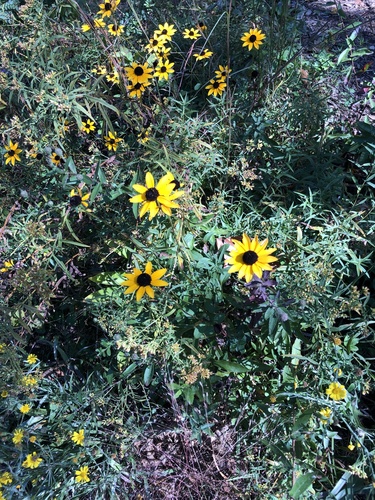
Rudbeckia fulgida var. fulgida is the type variety of the orange coneflower, growing 18–30 inches (45–75 cm) tall and 18–24 inches (45–60 cm) wide. The species name 'fulgida' means 'shining' or 'glistening', describing the glossy ray florets. Deep golden-orange daisy flowers 2–3 inches (5–8 cm) across with dark brown-black central cones appear from July through October. The type variety has a slightly warmer orange tone to the ray florets than var. deamii or var. sullivantii, with narrower ray petals that give the flowers a more delicate, star-like appearance. The clumping habit is well-behaved — slower to spread than var. sullivantii 'Goldsturm'. The slightly shorter stature (18–30 inches / 45–75 cm) suits front-to-mid border positions. Dark green rough-textured hairy leaves. The dark seed cones persist through winter for goldfinch food. Tolerates clay, drought, and heat. Deer generally avoid the rough foliage. The type variety is less commonly sold than var. deamii and 'Goldsturm' but is valued by native plant enthusiasts for its slightly different flower character.
Native Range
Rudbeckia fulgida var. fulgida is native to the eastern United States, from Pennsylvania south to Alabama and west to Missouri. It grows in open woodlands, meadows, and along forest edges.Suggested Uses
Used in native plant gardens, prairie plantings, and perennial borders. The type variety for native plant purists. The slightly warmer orange tone and star-like flower form add variety to R. fulgida collections. The well-behaved clumping habit suits cultivated borders.How to Identify
Appearance
Size & Dimensions
Height1'6" - 2'6"
Width/Spread1'6" - 2'
Colors
Bloom Information
Detailed Descriptions
Flower Description
Deep golden-orange ray florets with a dark brown-black central coneFoliage Description
Dark green, ovate to lance-shaped, rough-textured, hairyGrowing Conditions
Sun Requirements
Requires 5-10 hours of direct sunlight daily
• Full Sun: 6+ hours of direct sunlight
• Partial Shade: 3-6 hours of direct sunlight
• Full Shade: Less than 3 hours of direct sunlight
Care & Maintenance
Care Guide
Plant in full sun to partial shade. Average to moist, well-drained soil; tolerates clay. Do not fertilize. Leave standing through winter. Cut to ground in early spring. Divide every 3–4 years.Pruning
Cut all stems to ground in late February–March. Leave standing through fall and winter. Divide every 3–4 years.Pruning Schedule
Prune: March
early spring
Container Growing
Suitable for container growing
Minimum container size: 5 gallons
Toxicity
Non-toxicRelated Rudbeckia species
 Large black-eyed susanRudbeckia hirta
 Black-eyed susanRudbeckia fulgida var. sullivantii 'Goldsturm'
 Deams black-eyed susanRudbeckia fulgida var. deamii
 Little suzy black-eyed susanRudbeckia fulgida var. speciosa 'Viette's Little Suzy'
 Indian summer black-eyed susanRudbeckia hirta 'Indian Summer'
 Brown-eyed susanRudbeckia triloba