Rosa, Genus, 'Golden Wings', Cultivar,
- Genus
- Cultivar
golden wings rose
Garden hybrid origin (Roy Shepherd, USA 1956; R. spinosissima parentage for cold hardiness; large single yellow flowers with species-rose character; continuous repeat bloom; zone 4 cold hardiness)
Overview
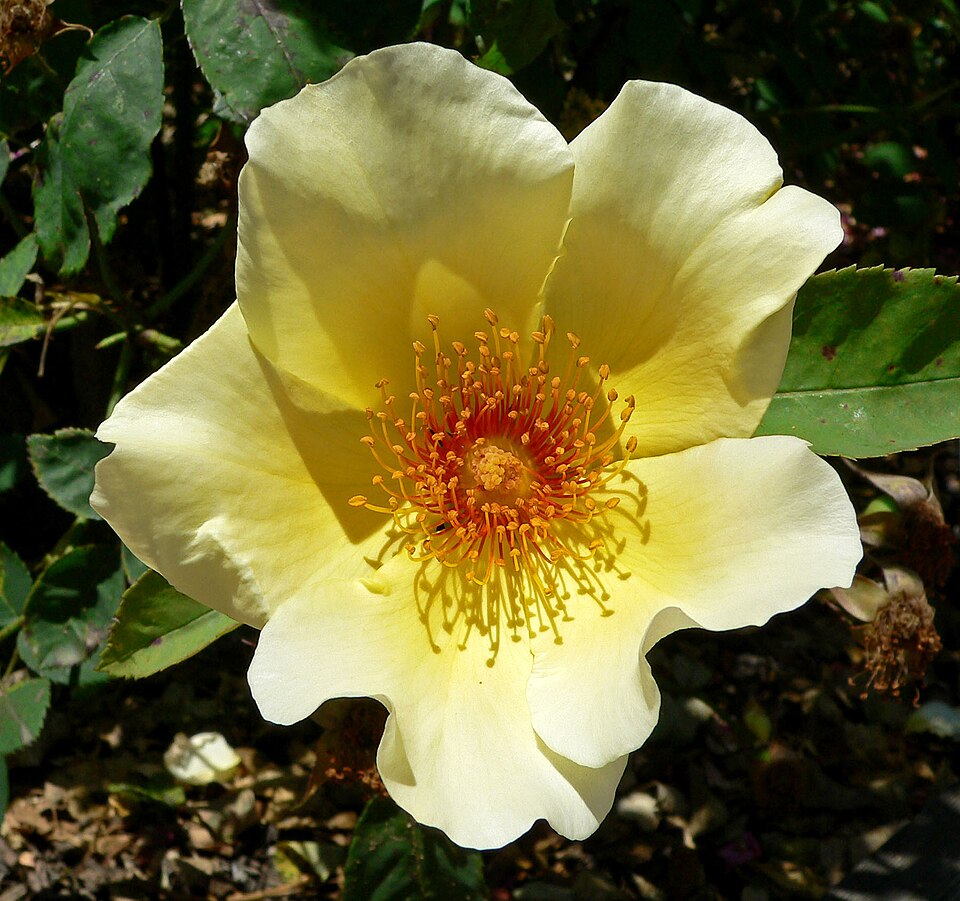
Rosa 'Golden Wings' is a deciduous shrub rose in the rose family (Rosaceae) reaching 4–6 feet (1.2–1.8 m) tall with a spread of 4–5 feet (1.2–1.5 m), carrying an upright bushy open habit. The cultivar runs as a modern shrub rose bred by Roy Shepherd in the United States in 1956, and produces large single flowers 4–5 inches (10–13 cm) wide in soft sulfur-yellow to pale golden-yellow tones with prominent amber stamens — individual flower size runs larger than most single-flowered garden rose cultivars. The wide-open single flower form with exposed stamens carries a species-rose character that most modern hybrid rose cultivars do not replicate. Flowering repeats continuously from June through frost across the full growing season — individual flowers last only 1 to 2 days but run replaced rapidly across the flowering window as new buds open. The medium green leaves carry moderate disease resistance across the cultural profile. Growth rate runs moderate. Hardy to zone 4. The combination of large single yellow flowers, continuous repeat bloom, and zone 4 cold hardiness runs atypical across the yellow-flowered garden rose class. Roy Shepherd bred the cultivar using R. spinosissima (Scotch rose) parentage to carry cold hardiness across the breeding line.
Native Range
Rosa 'Golden Wings' is a hybrid of garden origin, bred by Roy Shepherd in the United States in 1956. The cultivar carries R. spinosissima (Scotch rose) parentage that contributes cold-hardiness character to the garden hybrid.Suggested Uses
Grown in mixed-shrub borders or mixed plantings at 4–5 foot (1.2–1.5 m) spacing, and optimally in groups of 3 plants for fuller canopy coverage across the bed. Large single yellow flowers carry species-rose character that most modern hybrid cultivars do not replicate. Continuous repeat bloom from June through frost sustains the yellow flower display across the full growing season. Zone 4 cold hardiness extends the cultivar into colder climate zones than most yellow-flowered roses accommodate. The open habit carries a sparse look on a single plant, which makes the cultivar unsuitable for use as a formal specimen or in plantings where dense canopy coverage is the design goal. Short individual flower lifespan at 1 to 2 days means the cultivar runs unsuitable where specific flowers need to persist for cut-display use.How to Identify
Appearance
Size & Dimensions
Height4' - 6'
Width/Spread4' - 5'
Bloom Information
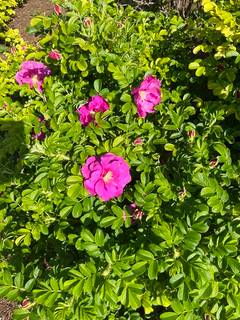
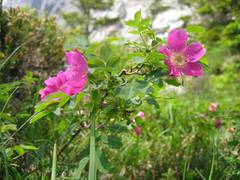
Large single sulfur-yellow to pale golden-yellow flowers 4–5 inches (10–13 cm) wide with prominent amber stamens open across the June through frost bloom window. Continuous repeat flowering runs across the full 20-week growing season — individual flower lifespan runs 1 to 2 days, with new buds opening rapidly across the flowering window to maintain continuous visible bloom. Light sweet fragrance carries across the flower display.
Detailed Descriptions
Flower Description
Soft sulfur-yellow to pale golden-yellow single flowers 4-5 inches across with prominent amber stamens during June through frost; continuous repeat floweringFoliage Description
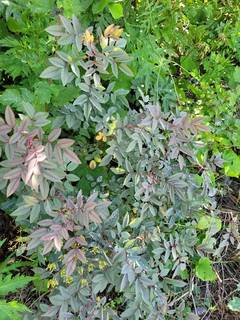
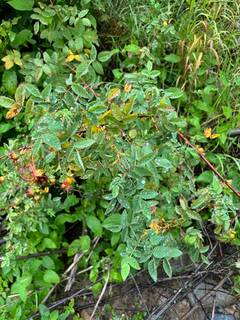
Medium green deciduous leaves carrying moderate disease resistance across the cultivar profileGrowing Conditions
Sun Requirements
Requires 6-10 hours of direct sunlight daily
• Full Sun: 6+ hours of direct sunlight
• Partial Shade: 3-6 hours of direct sunlight
• Full Shade: Less than 3 hours of direct sunlight
Care & Maintenance
Care Guide
Grows in full sun in well-drained soil at pH 5.5–7.0 across loam, sand, and clay substrates. Hardy to zone 4. The open bushy habit may read as lanky on a single specimen — group plantings of 3 or more build fuller canopy coverage across the planting bed. Regular deadheading runs across the bloom window because rapid flower turnover carries constant spent-petal accumulation. Moderate disease resistance runs across the cultivar profile. The R. spinosissima parentage contributes the zone 4 cold hardiness that carries the cultivar into colder climate zones than most modern hybrid rose cultivars accommodate.Pruning
Pruning runs across the late winter to early spring window. Reducing cane length by one-third to one-half maintains density across the canopy and controls the tendency of the open habit toward lankiness on single specimens. Annual removal of the oldest canes at the base every 2 to 3 years supports stem turnover across the maturing shrub.Pruning Schedule
Prune: February–March
early spring