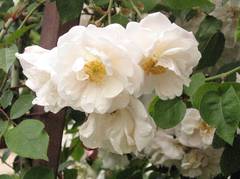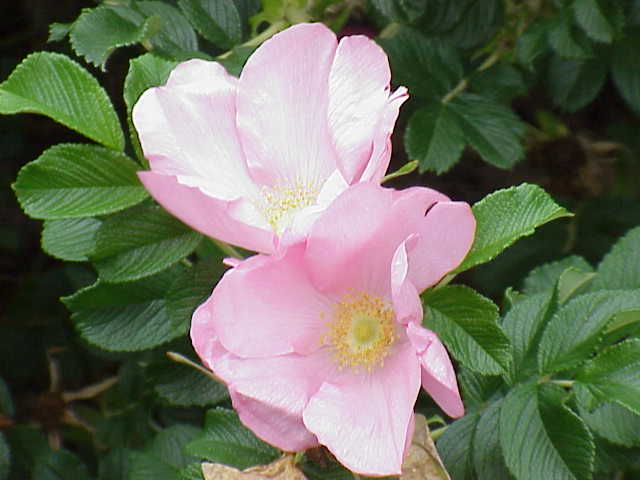
Rosa, Genus, 'Fru Dagmar Hastrup', Cultivar,
- Genus
- Cultivar
Fru Dagmar Hastrup rose
Garden hybrid origin (Denmark 1914; R. rugosa parent native to coastal E Asia; compact Rugosa cultivar; silvery-pink single flowers with continuous bloom; large tomato-red hips; salt spray tolerance; zone 2 cold hardiness)
Overview
Rosa 'Fru Dagmar Hastrup' (also spelled 'Frau Dagmar Hartopp' across nursery trade catalogs) is a deciduous shrub rose in the rose family (Rosaceae) reaching 3–4 feet (0.9–1.2 m) tall with a spread of 3–4 feet (0.9–1.2 m), carrying a compact dense mounding habit. The cultivar is a Rugosa hybrid of Danish origin dating to 1914 and produces single flowers 3–3.5 inches (8–9 cm) wide in clear silvery-pink tones with prominent creamy-yellow stamens across the June-through-frost bloom window — continuous repeat flowering runs more consistently across the commercial Rugosa group than most Rugosa cultivars in the trade. The deeply veined wrinkled (rugose) dark green leaves 3–5 inches (8–13 cm) long turn golden-yellow to orange tones during autumn. Large round tomato-red rose hips 1 inch (2.5 cm) wide ripen across late summer and persist into winter — the hip display runs as the most prominent fruit set across commercial Rugosa cultivars. Thick thorny stems run characteristic of the Rugosa rose class. Growth rate runs moderate. Hardy to zone 2 — zone 2 cold hardiness extends the cultivar into colder climate zones than most garden roses accommodate. Salt spray, sandy coastal soils, and windy coastal exposures all run within the cultural tolerance range.
Native Range
Rosa 'Fru Dagmar Hastrup' is a Rugosa hybrid of garden origin, bred in Denmark in 1914. The cultivar carries R. rugosa parentage — the wild species runs native to coastal East Asia across Japan, Korea, northern China, and Siberia.Suggested Uses
Grown in mixed-shrub borders, low hedging, coastal garden compositions, or mass plantings at 3–4 foot (0.9–1.2 m) spacing. The compact Rugosa habit suits small garden footprints where larger rose cultivars exceed the allocated planting space. Simultaneous silvery-pink flower display and large tomato-red hip development carries a two-feature ornamental pattern across the summer into autumn window. Golden-yellow to orange autumn foliage extends seasonal interest past the bloom phase. Salt tolerance opens the cultivar to coastal garden plantings where most garden roses fail. Zone 2 cold hardiness extends the cultivar into cold-winter regions where hybrid tea roses cannot overwinter. Strong clove-spice fragrance adds to the placement value near paths or seating areas. High-chemical-input garden programs run unsuitable given the Rugosa-class pesticide sensitivity.How to Identify
Appearance
Size & Dimensions
Height3' - 4'
Width/Spread3' - 4'
Bloom Information
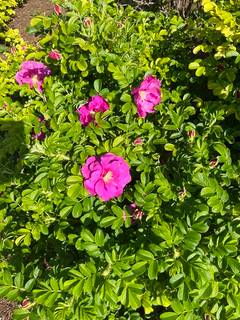
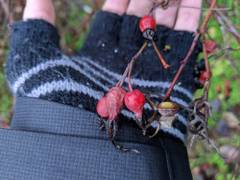
Single clear silvery-pink flowers 3–3.5 inches (8–9 cm) wide with prominent creamy-yellow stamens open across the June-through-frost bloom window. Continuous repeat flowering runs across the full 20-week growing-season bloom window — the cultivar carries a more extended continuous bloom run than most commercial Rugosa cultivars in the trade. Strong clove-spice fragrance carries across the flower display. Large round tomato-red hips 1 inch (2.5 cm) wide ripen across late summer and persist into the winter dormant season.
Detailed Descriptions
Flower Description
Clear silvery-pink single flowers 3-3.5 inches across with prominent creamy-yellow stamens during June through frost; large round tomato-red hips 1 inch across develop across late summer into winterFoliage Description
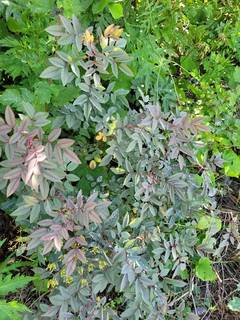
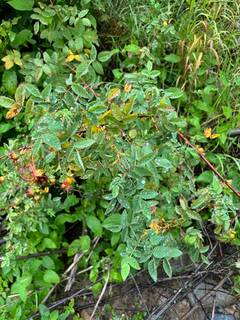
Dark green deeply veined rugose wrinkled leaves 3-5 inches long across the growing season; golden-yellow to orange tones in autumnGrowing Conditions
Sun Requirements
Requires 6-10 hours of direct sunlight daily
• Full Sun: 6+ hours of direct sunlight
• Partial Shade: 3-6 hours of direct sunlight
• Full Shade: Less than 3 hours of direct sunlight
Care & Maintenance
Care Guide
Grows in full sun in well-drained soil at pH 5.5–7.5 across loam, sand, and clay substrates. Hardy to zone 2 — zone 2 cold hardiness extends the cultivar into colder climate zones than most garden roses accommodate. Salt spray, sandy coastal soils, poor low-nutrient soils, and windy coastal exposures all run within the cultural tolerance range across the Rugosa breeding line. The cultural profile runs tough across challenging site conditions. Chemical pesticide and fungicide applications run outside the cultural profile because Rugosa roses carry sensitivity to many horticultural spray products across the class. Rose hips carry high vitamin C content and run edible as a culinary ingredient.Pruning
Pruning runs across the late winter to early spring window before spring leaf flush begins. Annual removal of one-third of the oldest canes at the base maintains stem turnover across the maturing shrub. Deadheading runs outside the pruning cycle because flowers and hips develop simultaneously across the summer bloom window — removing spent flowers removes developing hip clusters. Light shape adjustment runs within the cultural tolerance range because the dense mounding form develops naturally across the maturation window.Pruning Schedule
Prune: February–March
early spring
Container Growing
Suitable for container growing
Minimum container size: 5 gallons