Rosa, Genus, 'Félicité et Perpétue', Cultivar,
- Genus
- Cultivar
Felicite et Perpetue
Garden hybrid origin (Antoine Jacques, France 1827; R. sempervirens hybrid; semi-evergreen; nearly thornless; shade tolerant; once-blooming; named for Saints Felicity and Perpetua)
Overview
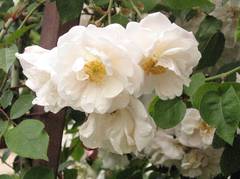
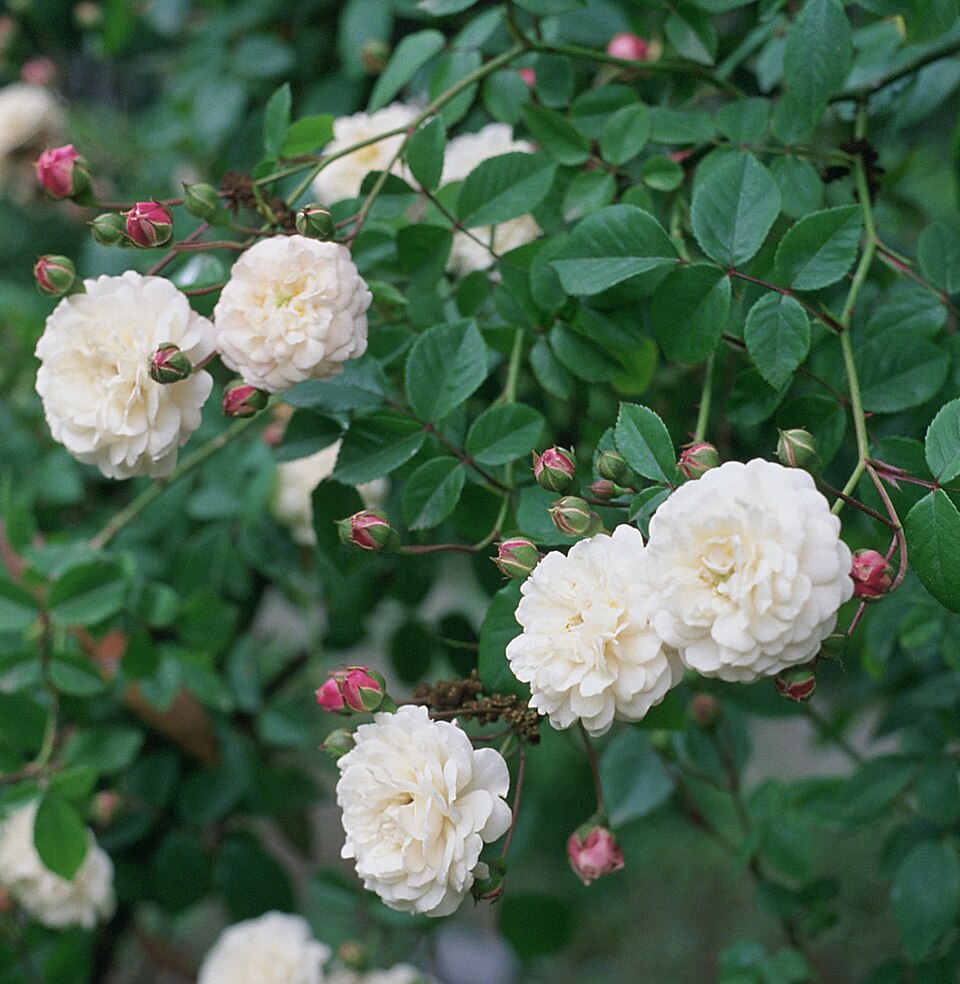
Rosa 'Félicité et Perpétue' is a semi-evergreen climbing to rambling rose reaching 12-20 feet (3.6-6 m) tall with a spread of 8-12 feet (2.4-3.6 m) and a vigorous rambling habit with long, flexible, nearly thornless canes. A R. sempervirens hybrid (Jacques, 1827), it produces large clusters of small, double to fully double, rosette-form flowers 1.5-2 inches (4-5 cm) wide in creamy-white opening from pink-tinged buds—the bud-to-bloom color shift creates a bicolored effect in the clusters. The flowers appear in a single heavy flush in June-July. The small, glossy, dark green leaves are semi-evergreen in mild climates (zones 7-9)—retaining foliage through winter. Growth rate is fast. Hardy to zone 5. Named for the early Christian martyrs Saints Felicity and Perpetua. Bred by Antoine Jacques (same breeder as 'Adélaide d'Orléans'). Once-blooming. The nearly thornless canes, semi-evergreen character, and shade tolerance distinguish this from most ramblers.
Native Range
Rosa 'Félicité et Perpétue' is a hybrid of garden origin, bred by Antoine Jacques, France, 1827. R. sempervirens hybrid—same parentage class as 'Adélaide d''Orléans'.Suggested Uses
Trained on walls (including north-facing), pergolas, or allowed to scramble through large trees. Semi-evergreen in mild zones. Nearly thornless—easy to train. Shade tolerant. Pink buds opening to creamy-white rosettes. Once-blooming only (June-July). Named for Saints Felicity and Perpetua. Jacques 1827. Not suitable where continuous flowering is expected.How to Identify
Appearance
Size & Dimensions
Height12' - 20'
Width/Spread8' - 12'
Bloom Information
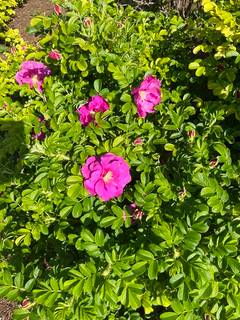
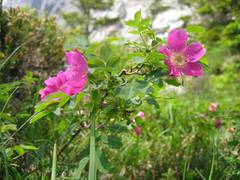
Large clusters of small double to fully double rosette-form creamy-white flowers 1.5-2 inches (4-5 cm) opening from pink-tinged buds, June-July. Single flush—once-blooming. Light primrose-like fragrance. Bloom duration 3-4 weeks.
Detailed Descriptions
Flower Description
Creamy-white from pink-tinged buds; double to fully double rosette-form 1.5-2 inches; large clusters; once-blooming Jun-JulFoliage Description
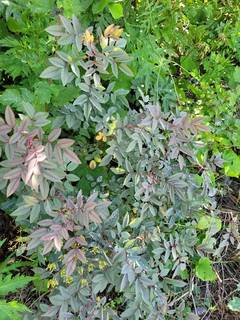
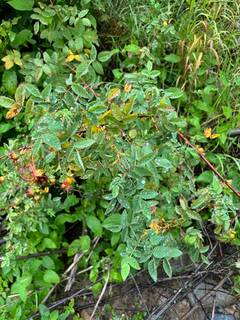
Glossy dark green; small; semi-evergreen in mild climates; good disease resistanceGrowing Conditions
Sun Requirements
Requires 3-10 hours of direct sunlight daily
• Full Sun: 6+ hours of direct sunlight
• Partial Shade: 3-6 hours of direct sunlight
• Full Shade: Less than 3 hours of direct sunlight
Care & Maintenance
Care Guide
Plant in full sun to partial shade against walls, pergolas, or into large trees. Well-drained soil (pH 6.0-7.0). Hardy to zone 5. Semi-evergreen in mild winters. Tolerates more shade than most roses—can flower on a north-facing wall. Nearly thornless—easy to train. Once-blooming—prune after flowering. Good disease resistance.Pruning
Prune after flowering in summer. Remove one-third of oldest canes at the base. Tie in new growth. Nearly thornless canes make training straightforward. Do not prune in spring—removes flower buds.Pruning Schedule
Prune: July–August
summer