Ranunculus, Genus, sardous, Species,
- Genus & species
hairy buttercup
Europe, North Africa, and western Asia (Mediterranean)
SunFull Sun – Part Shade
WaterMedium
Overview
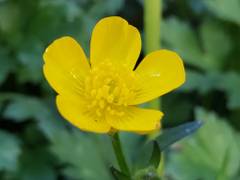
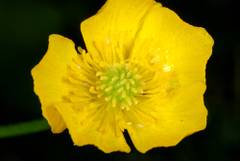
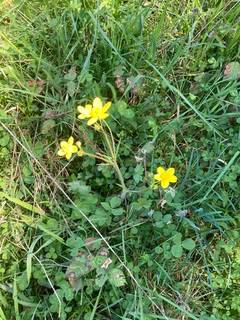
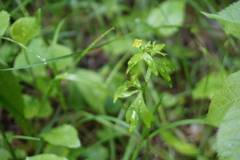
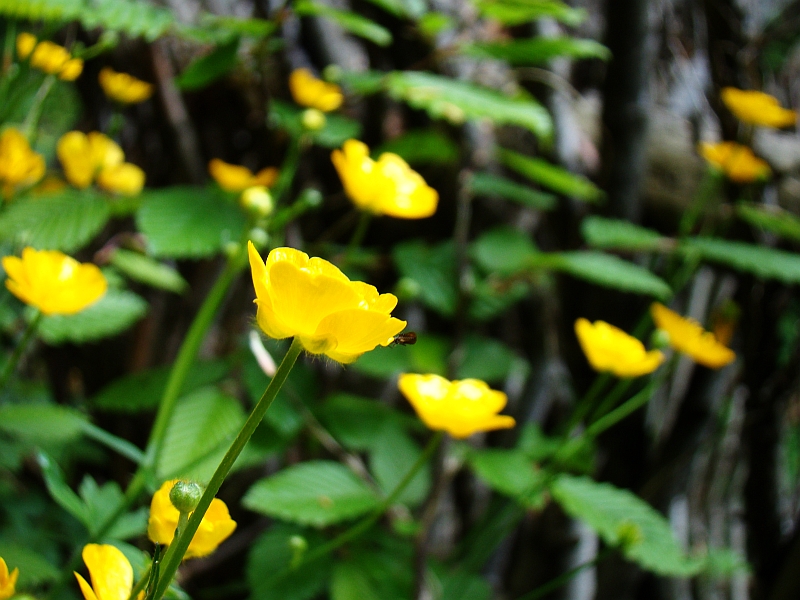
Ranunculus sardous is an annual, occasionally biennial, herb in the buttercup family (Ranunculaceae), growing 6-24 inches (15-60 cm) tall from a fibrous root system. Stems are branched, hollow, and covered in spreading hairs. Basal leaves divide into three lobed, toothed segments on long stalks, while upper stem leaves are smaller and more deeply cut. Flowers are 0.4-1 inch (1-2.5 cm) across with five or more glossy yellow petals surrounding a green central button of developing seeds; the small sepals bend back against the stalk. Each flower produces a rounded head of flattened, warty achenes about 0.1 inch (2-3 mm) long. It germinates in fall or spring, flowers from spring into summer, and dies after seed set. The plant occupies damp, compacted, or disturbed ground such as pastures, lawns, ditches, and field edges. All parts contain protoanemonin, a compound that irritates skin and is acrid to grazing animals. One limitation is its weediness in moist turf and pasture, where it spreads from abundant seed and resists close mowing.
Native Range
Ranunculus sardous is native to Europe, North Africa, and western Asia, centered on the Mediterranean region. It has naturalized widely in North America, especially the southeastern United States and the Pacific Coast, and in Australia and South America.Suggested Uses
Ranunculus sardous is not grown ornamentally and is managed as a weed of pastures, lawns, and damp field margins. Within its native range it occurs in wet meadows and grazed grassland. It has no horticultural planting use.How to Identify
Appearance
Size & Dimensions
Height6" - 2'
Width/Spread6" - 1'
Bloom Information
Flowering runs from mid-spring through early summer, generally April to June, and can extend later in cool, moist conditions. Each plant blooms over several weeks as new flowers open on branching stems. Flowering ends as the plant sets seed and dies.
Detailed Descriptions
Foliage Description
greenGrowing Conditions
Sun Requirements
Requires 4-10 hours of direct sunlight daily
• Full Sun: 6+ hours of direct sunlight
• Partial Shade: 3-6 hours of direct sunlight
• Full Shade: Less than 3 hours of direct sunlight
Water & Climate
Water Needs