Image 1 of 18
Plant Reference
1 / 18
Ranunculus, Genus, repens, Species,
- Genus & species
creeping buttercup
Europe, western Asia, and northern Africa; lawns, pastures, wet meadows, and moist disturbed ground from sea level to approximately 6,500 feet (2,000 m).
Overview
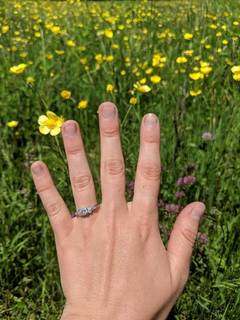
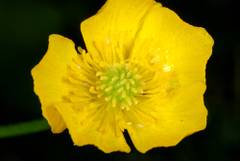
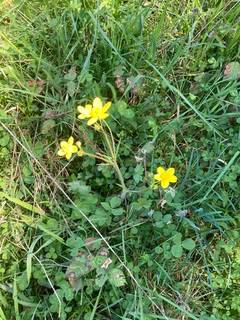
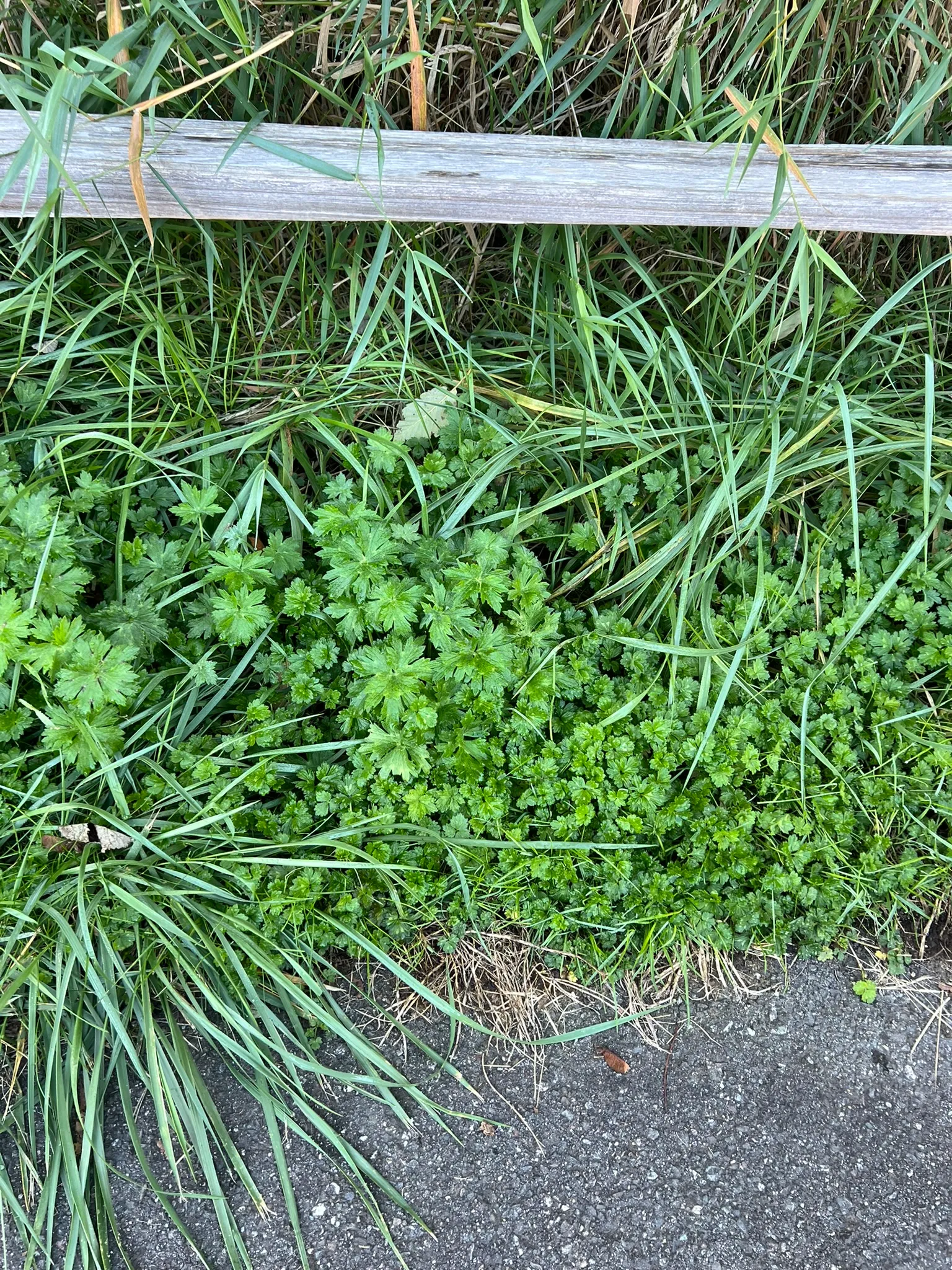
Ranunculus repens is a stoloniferous perennial reaching 6-18 inches (15-45 cm) tall and 24-60 inches (60-150 cm) wide, forming dense expanding mats via long stolons that root at every node. Stems are ascending to erect for flowering and prostrate for stolons, and both are hairy. Leaves are ternately compound with 3 stalked deeply lobed leaflets, 1-3 inches (2.5-8 cm) across, dark green, often marked with lighter greenish-white blotches on the upper surface. The central leaflet is borne on a stalk (petiolule) longer than those of the two lateral leaflets, which is a key separation from R. acris. Five-petaled glossy bright yellow flowers 0.6-1 inch (15-25 mm) across open from April through July on long peduncles, with waxy petals that reflect light from a specialized reflective layer beneath the petal epidermis and set against 5 sepals and numerous stamens and pistils. Fruit is a cluster of flattened achenes with hooked beaks. A single plant produces 500-3,000 seeds. Stolons extend 1-3 feet (0.3-0.9 m) per growing season and root at every node, producing new rosettes that expand the patch laterally year on year. Foliage contains protoanemonin, a vesicant irritant released when plant tissue is crushed that produces blistering of skin and mucous membranes and is toxic to livestock consuming fresh growth; the compound breaks down on drying, which reduces hay-associated toxicity. The species dominates many Pacific Northwest lawns west of the Cascades, where the moist heavy clay soils common across the region provide the favored growing conditions. Hardy in USDA zones 3-9 (-40°F / -40°C).
Native Range
Ranunculus repens is native to Europe, western Asia, and northern Africa, where it grows in lawns, pastures, wet meadows, and moist disturbed ground from sea level to approximately 6,500 feet (2,000 m). The species has naturalized across temperate North America and is widespread in Pacific Northwest lawns west of the Cascades where moist heavy clay soils provide favored growing conditions.Suggested Uses
The species is used in Ranunculaceae identification courses for teaching the numerous stamens and pistils, the achene fruit type, and the sub-epidermal reflective layer that gives buttercup petals their characteristic shine. The stalked-versus-sessile central leaflet comparison between R. repens and R. acris is a standard field identification exercise. Protoanemonin chemistry and the vesicant mechanism are taught in veterinary toxicology and in plant secondary chemistry. The species is studied in stolon ecology and clonal plant expansion, and dominance at a site is used as an indicator of poor drainage and heavy wet soils in landscape assessment.How to Identify
Appearance
Size & Dimensions
Height6" - 1'6"
Width/Spread2' - 5'
Bloom Information
Glossy bright yellow five-petaled flowers 0.6-1 inch (15-25 mm) across open on long peduncles from April through July, with a total bloom span of 4-6 weeks and peak bloom in the Pacific Northwest in May through June. Individual flowers last 5-7 days. Pollination is by bees, flies, and beetles drawn to the glossy petal reflection that serves as a visual attractant. Achenes mature 4-6 weeks after flowering.
Detailed Descriptions
Flower Description
Glossy bright yellow five-petaled flowers 0.6-1 inch (15-25 mm) across with waxy petals that carry a specialized reflective layer beneath the petal epidermis; carried on long peduncles from April through JulyFoliage Description
Dark green; ternately compound with 3 stalked deeply lobed leaflets, 1-3 inches (2.5-8 cm) across, often with lighter greenish-white blotches on the upper surface; hairy; the central leaflet is borne on a stalk (petiolule) separate from the two lateral leafletsGrowing Conditions
Sun Requirements
Requires 3-8 hours of direct sunlight daily
• Full Sun: 6+ hours of direct sunlight
• Partial Shade: 3-6 hours of direct sunlight
• Full Shade: Less than 3 hours of direct sunlight