Ranunculus, Genus, asiaticus, Species,
- Genus & species
Persian buttercup
Eastern Mediterranean, southwestern Asia
Overview
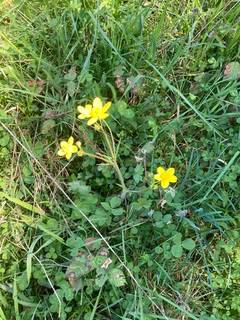
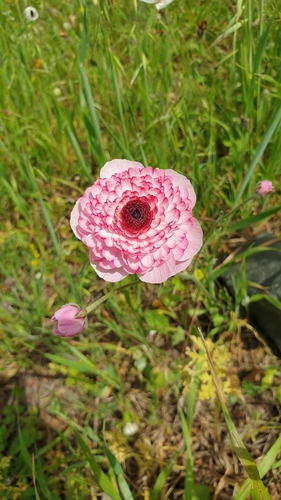
Ranunculus asiaticus is the Persian buttercup, growing 12–18 inches (30–45 cm) tall and 6–12 inches (15–30 cm) wide. Rose-like layered flowers 3–5 inches (7–13 cm) with tissue-thin petals arranged in concentric whorls, in red, pink, orange, yellow, white, and bicolor — each flower can contain 50–60+ petals. Grows from a claw-shaped tuberous root (resembling a dried octopus or talon) planted 2 inches (5 cm) deep with the claws pointing downward. Soak the dried claws in room-temperature water for 3–4 hours before planting to rehydrate. A cool-season bloomer: performs in temperatures of 45–65°F (7–18°C) and goes dormant in summer heat above 75°F (24°C). In mild climates (zones 8–11), plant claws in fall for late-winter to spring bloom. In cold climates (zones below 8), plant in early spring for spring bloom, or grow in a cool greenhouse. The entire plant contains protoanemonin — toxic to dogs, cats, and humans, causing gastrointestinal irritation and skin blistering on contact with crushed plant tissue. Deer-resistant. Widely used as a cut flower — stems last 7–10 days in a vase. Native to the eastern Mediterranean and southwestern Asia. Full sun in cool temperatures. Well-draining soil — the tuberous roots rot in waterlogged winter soil. Aphids. Botrytis in humid conditions. Growth rate is fast from the tuberous root. Containers of 2+ gallons (8+ liters).
Native Range
Native to the eastern Mediterranean region and southwestern Asia (Turkey, Syria, Iran), growing in rocky meadows and disturbed areas.Suggested Uses
Grown in borders, containers of 2+ gallons (8+ liters), and cutting gardens in full sun. Space 6 inches (15 cm) apart. Widely used as a cut flower (7–10 day vase life). Cool-season bloomer. All parts toxic. Deer-resistant.How to Identify
Appearance
Size & Dimensions
Height1' - 1'6"
Width/Spread6" - 1'
Bloom Information
Detailed Descriptions
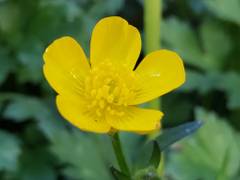
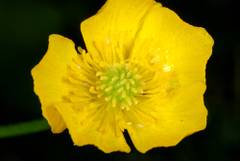
Flower Description
Variable: red, pink, orange, yellow, white, bicolor; layered petalsFoliage Description
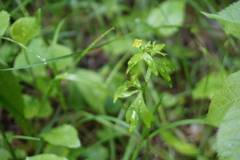
Medium green, deeply divided, fern-likeGrowing Conditions
Sun Requirements
Requires 6-8 hours of direct sunlight daily
• Full Sun: 6+ hours of direct sunlight
• Partial Shade: 3-6 hours of direct sunlight
• Full Shade: Less than 3 hours of direct sunlight
Care & Maintenance
Care Guide
Full sun in cool temperatures. Well-draining soil — tuberous roots rot in wet winter soil. Soak claws 3–4 hours before planting. Cool-season bloomer — dormant in summer heat. All parts toxic (protoanemonin). Deer-resistant. Aphids. Botrytis in humidity. Zones 8–11 (fall planting); zones below 8 (spring planting or cool greenhouse).Pruning
Remove spent flower stems for continued bloom. Leave foliage until it yellows and collapses (summer dormancy). In mild zones, the tuberous roots can remain in the ground if the soil is dry in summer. In wet-summer zones, dig and store dry at 50–60°F (10–16°C).Pruning Schedule
Prune: June
summer
Container Growing
Suitable for container growing
Minimum container size: 2 gallons