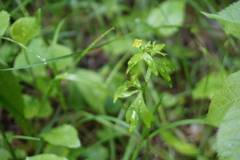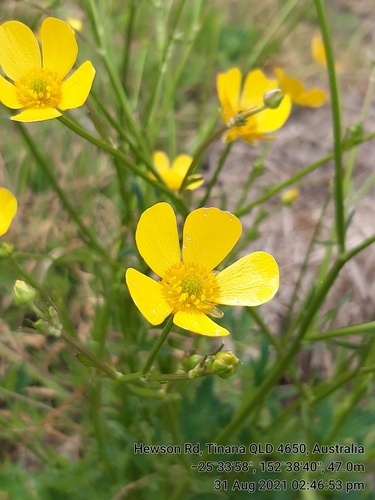
Ranunculus, Genus, lappaceus, Species,
- Genus & species
Australian buttercup
Overview
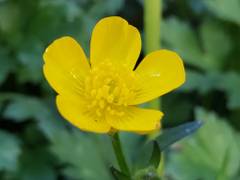
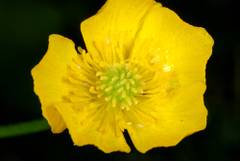
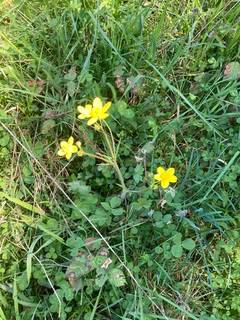
Ranunculus lappaceus is an erect perennial herb growing 8-24 inches (20-60 cm) tall from a short rootstock, with hairy stems branching in the upper part. The basal leaves are long-stalked and deeply divided into three lobed segments, 1-3 inches (2.5-8 cm) across, with toothed margins and scattered hairs. Glossy yellow flowers 0.8-1.2 inches (20-30 mm) across open from spring into early summer, each with five overlapping shiny petals and a central cluster of many stamens. The flowers are followed by rounded heads of flattened seeds, each tipped with a short hooked beak that catches in fur and clothing. The plant dies back in summer in drier areas and regrows from the rootstock after autumn rain. All parts contain an acrid compound that blisters skin and is toxic if eaten, and the sap can irritate on contact. Growth forms scattered clumps rather than dense cover.
Native Range
Native to south-eastern Australia, in New South Wales, Victoria, Tasmania, and South Australia. Grows in damp grassland, open woodland, and along creek flats on moist, fertile soils, from lowland to subalpine elevations.Suggested Uses
Grown in native grassland plantings, damp meadow gardens, and along pond and creek margins, spaced 12-18 inches (30-45 cm) apart. The yellow flowers draw native bees and other insects. Its toxic sap and hooked seeds make it less suited to plantings near paths, lawns, or areas used by children and pets.How to Identify
Appearance
Size & Dimensions
Height8" - 2'
Width/Spread8" - 1'4"
Bloom Information
Flowers from spring into early summer, mainly September to December, with the heaviest display in mid-spring. Individual flowers last a few days, and a plant flowers over 4-8 weeks. Flowering is earlier in lowland areas and later at higher elevations.
Detailed Descriptions
Foliage Description
greenGrowing Conditions
Sun Requirements
Requires 4-8 hours of direct sunlight daily
• Full Sun: 6+ hours of direct sunlight
• Partial Shade: 3-6 hours of direct sunlight
• Full Shade: Less than 3 hours of direct sunlight
Care & Maintenance
Care Guide
Grows in full sun to part shade in moist, fertile soil that does not dry out through the growing season. Water during dry spells to keep the soil damp, as the plant wilts and dies back early in drought. It grows on clay and loam soils that hold moisture and tolerates seasonal wetness. All parts contain an acrid toxin that can blister skin and is poisonous to people and grazing animals if eaten. Few pests affect it, partly because of this toxicity. Clumps can be divided in autumn to renew older plants.Pruning
Spent flower stems can be cut back after flowering to limit self-seeding from the hooked seeds. The plant dies back naturally in summer, and dead foliage can be removed once it has yellowed. Cutting back does not harm the rootstock, which reshoots after autumn rain.Pruning Schedule
Prune: December–January
summer
Container Growing
Suitable for container growing
Minimum container size: 2 gallons