Ranunculus, Genus, fascicularis, Species,
- Genus & species
early buttercup
Overview
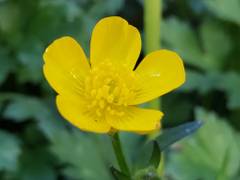
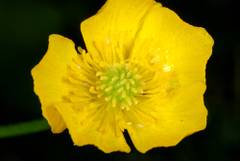
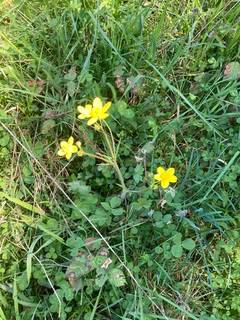
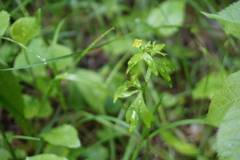
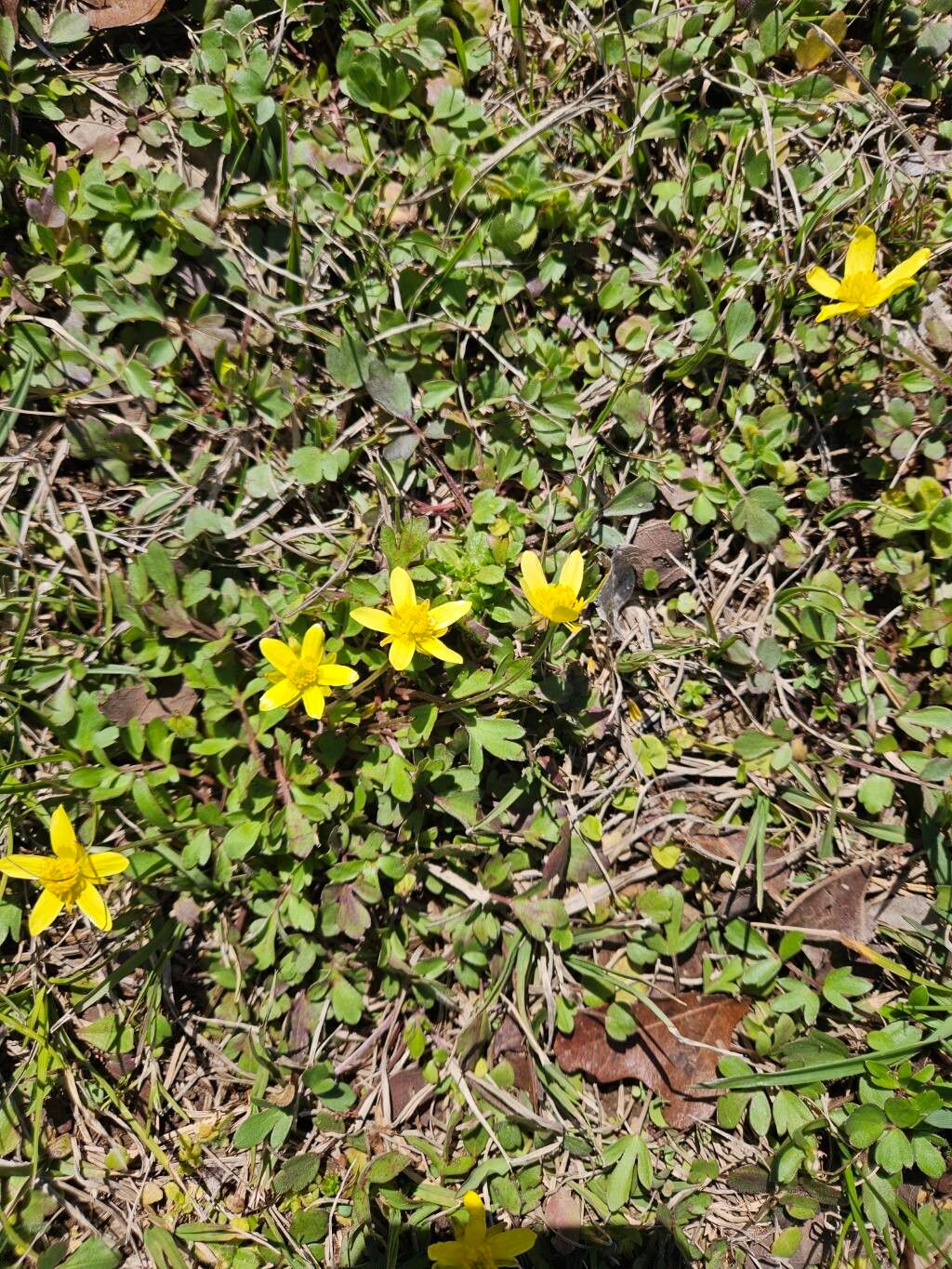
Ranunculus fascicularis is a low, clumping perennial of eastern and central North America, growing 4-12 inches (10-30 cm) tall and 6-10 inches (15-25 cm) wide from a cluster of thickened, finger-like roots. The basal leaves are deeply divided into three to five lobed segments and are covered with silky hairs, giving them a grayish-green cast. From March to May it produces glossy yellow flowers 0.75-1.25 inches (2-3 cm) across, each with five to seven petals on slender stalks held above the leaves. The bloom appears early, often with or before the spring woodland wildflowers, and the plant goes dormant by midsummer after setting seed. R. fascicularis grows in dry to mesic prairies, rocky open woods, glades, and on thin soils over limestone. It tolerates drought through summer dormancy but needs decent drainage and declines in wet ground. Early-flying bees visit the flowers for pollen. All parts contain protoanemonin, a compound that irritates skin and is poisonous to people and livestock if eaten, so grazing animals avoid it. The plant is visible only from early spring to midsummer, after which it disappears below ground until the following year.
Native Range
Ranunculus fascicularis is native to eastern and central North America, from Ontario and the northeastern United States west to the Great Plains and south to Texas and Georgia. It grows in dry to mesic prairies, rocky open woodlands, glades, and thin soils over limestone.Suggested Uses
Grown in native spring gardens, prairie plantings, rock gardens, and woodland edges for early-season color. It is spaced 6-10 inches (15-25 cm) apart in drifts among later-emerging perennials that fill the gap when it goes dormant. The low habit suits the front of beds and gravelly slopes.How to Identify
Appearance
Size & Dimensions
Height4" - 1'
Width/Spread6" - 10"
Bloom Information
Flowering occurs early, from March to May, often alongside or before woodland spring wildflowers. The glossy yellow flowers are 0.75-1.25 inches (2-3 cm) across and held singly on slender stalks above the leaves. Early-flying bees gather pollen from the open flowers.
Detailed Descriptions
Foliage Description
grayish-greenGrowing Conditions
Sun Requirements
Requires 4-8 hours of direct sunlight daily
• Full Sun: 6+ hours of direct sunlight
• Partial Shade: 3-6 hours of direct sunlight
• Full Shade: Less than 3 hours of direct sunlight
Care & Maintenance
Care Guide
Ranunculus fascicularis grows in full sun to partial shade with 4-8 hours of light and well-drained loam, rocky, or sandy soil at pH 6.0 to 7.5. It tolerates summer drought by going dormant after seed set, so the soil can dry out once the foliage fades. The plant is hardy in USDA zones 4-8 and needs no winter protection. Wet, poorly drained soil rots the root cluster. Because the foliage disappears by midsummer, the planting site is marked to prevent disturbing the dormant roots.Pruning
No pruning is needed. Spent flower stalks can be left to self-sow or removed after the seed ripens. The foliage is left to yellow and die back naturally, which recharges the roots for the following spring.Pruning Schedule
Prune: June
summer