Ranunculus, Genus, spp., Multiple species,
- Genus
- Multiple species
buttercups
Temperate and cold regions of both hemispheres, with high diversity in Europe, Asia, and North America
Overview
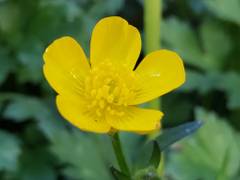
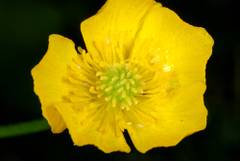
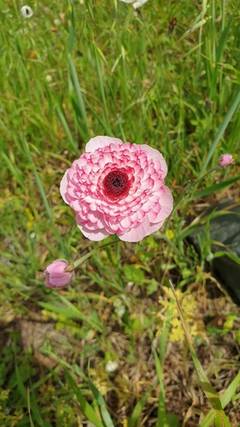
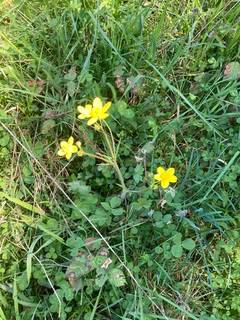
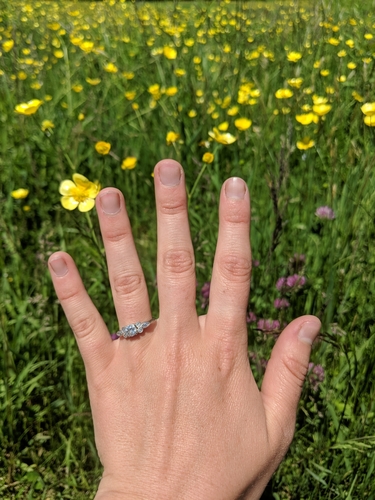
Ranunculus is a genus of about 600 species of annual and perennial herbs in the Ranunculaceae family, distributed across temperate and cold regions worldwide and most common in damp meadows, woodlands, and along water. The common name buttercup comes from the glossy, cup-shaped flowers, which usually have 5 yellow petals with a varnished sheen, though some species bear white or, in cultivated forms of R. asiaticus, orange, red, and pink blooms. Flowers measure 0.3-2 inches (8-50 mm) across and sit above deeply lobed or divided basal leaves on stems 6-36 inches (15-90 cm) tall. Roots are fibrous, tuberous, or, in creeping species, spread by rooting runners. All parts contain protoanemonin, released when the tissue is crushed, which irritates skin and poisons people, pets, and livestock if eaten; the toxin breaks down when the plant is dried in hay. The genus includes aquatic water crowfoots, alpine species, and the florist's ranunculus grown from claw-shaped tubers. Several species, such as R. repens, spread by runners and seed into a persistent lawn and garden weed. Bloom is concentrated in spring and early summer and is brief on any single plant.
Native Range
Ranunculus is found across the temperate and cold regions of both hemispheres, with high diversity in Europe, Asia, and North America and additional species in the mountains of the Southern Hemisphere. North American natives include R. occidentalis and R. californicus, while R. repens and R. acris are naturalized Eurasian species.Suggested Uses
Grown in borders, cottage gardens, and damp meadow plantings, with the florist's ranunculus used for cut flowers. Native species suit naturalized and pond-edge settings where they spread on their own. Spring flowers draw bees and other early pollinators.How to Identify
Appearance
Size & Dimensions
Height6" - 3'
Width/Spread6" - 2'
Bloom Information
Most species flower in spring and early summer, roughly April to July, with alpine and aquatic species opening as snowmelt and warmth allow. Individual flowers last only a few days, though a plant produces a succession of blooms over several weeks. The florist's ranunculus, grown from tubers, flowers in spring from a fall or late-winter planting. Bloom on wild species is brief and tied to soil moisture.
Detailed Descriptions
Flower Description
yellow, white, orange, red, and pinkFoliage Description
greenGrowing Conditions
Sun Requirements
Requires 4-8 hours of direct sunlight daily
• Full Sun: 6+ hours of direct sunlight
• Partial Shade: 3-6 hours of direct sunlight
• Full Shade: Less than 3 hours of direct sunlight
Care & Maintenance
Care Guide
Plants in this genus grow in full sun to part shade and prefer moist, fertile soil at pH 5.5-7.0, with several species thriving in damp meadows and at pond margins. They tolerate clay and seasonally wet ground that many perennials cannot, but most decline in hot, dry summers and go dormant. Creeping species root at the nodes and spread quickly across open soil. The florist's ranunculus is grown from soaked tubers planted in cool weather and lifted or treated as an annual where winters are mild and wet. Few pests are serious, though powdery mildew and aphids appear in crowded plantings. Hardiness ranges from USDA zones 4 to 8 depending on species.Pruning
No structural pruning is needed. Removing spent flowers extends bloom and limits self-seeding in weedy species. Cutting back tattered foliage after dormancy sets in tidies the plant, which resprouts from the crown or tubers.Container Growing
Suitable for container growing
Minimum container size: 1 gallons