Ranunculus, Genus, acris, Species,
- Genus & species
meadow buttercup
Native across Europe, northern Asia, and northwestern Africa where the species grows in moist grasslands, meadows, and disturbed ground; widely naturalized in North America, where the species occurs in all 50 US states and all Canadian provinces, primarily in moist grasslands and disturbed ground; classified as a weed in agricultural pasture settings due to the toxicity to grazing livestock
Overview
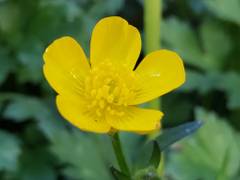
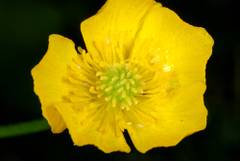
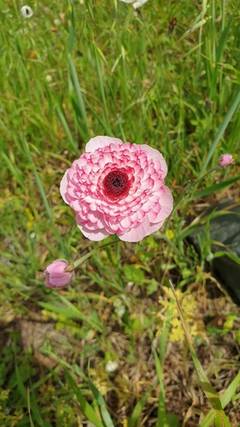
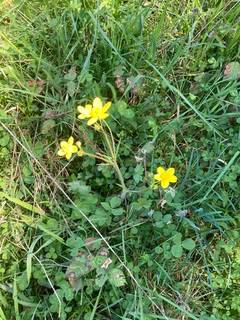
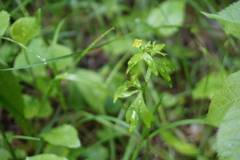
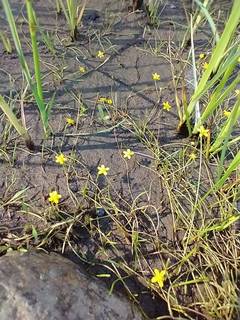
Ranunculus acris is a fibrous-rooted herbaceous perennial in the buttercup family (Ranunculaceae), growing 12-36 inches (30-90 cm) tall with an upright branching habit. Basal leaves are palmately divided into 3-7 deeply lobed segments, each further incised, 2-4 inches (5-10 cm) across on long petioles; stem leaves are smaller and sessile. Stems are hollow, branching above mid-height, covered in short appressed hairs. Flowers are glossy bright yellow, 0.75-1 inch (2-2.5 cm) across with five rounded petals that carry a prominent waxy sheen — the gloss comes from a specialized epidermal layer that reflects light in two planes simultaneously, an optical feature the species is known for. Each petal carries a nectary at its base covered by a small scale. Flowers are borne in open branching cymes of 5-20+ blooms per stem. Fruit is a cluster of achenes, each 2-3 mm long with a short hooked beak. All parts contain the glycoside ranunculin, which converts to protoanemonin on tissue damage — a vesicant that causes contact dermatitis in humans and oral blistering in grazing livestock. Protoanemonin degrades to non-toxic anemonin when the plant is dried, which is why hay made from buttercup-containing pastures is safe to feed. Spreads by seed and by short rhizomes. In the Pacific Northwest, the species is naturalized in pastures, meadows, roadsides, and disturbed ground, and is classified as a weed in agricultural settings. The double-flowered cultivar 'Flore Pleno' is grown ornamentally and does not set seed.
Native Range
Ranunculus acris is native across Europe, northern Asia, and northwestern Africa. The species has naturalized widely in North America, where it occurs in all 50 US states and all Canadian provinces, primarily in moist grasslands and disturbed ground.Suggested Uses
The species is used in wildflower meadow plantings and naturalized grassland, spaced 12 inches (30 cm) apart or broadcast-seeded at 1-2 g per square meter. The double cultivar 'Flore Pleno' is used in cottage garden borders since it does not set seed and has a longer bloom period than the species form. Both forms tolerate seasonally wet soil and are suited to rain garden edges and pond margins.How to Identify
Appearance
Size & Dimensions
Height1' - 3'
Width/Spread1' - 1'6"
Bloom Information
Flowering occurs from May through July in the Pacific Northwest, with peak bloom in June. Individual flowers last 5-8 days. The branching cyme produces flowers sequentially over a 4-6 week period. Pollinated by a wide range of insects including bees, flies, and beetles attracted to the nectar and pollen at the petal base.
Detailed Descriptions
Flower Description
Glossy bright yellow flowers 0.75-1 inch (2-2.5 cm) across with five rounded petals carrying a prominent waxy sheen produced by a specialized epidermal layer that reflects light in two planes simultaneously — the optical waxy gloss is the visual feature the species is known forFoliage Description
Medium green palmately divided basal leaves with 3-7 deeply lobed segments, each further incised, 2-4 inches (5-10 cm) across on long petioles; stem leaves are smaller and sessileGrowing Conditions
Sun Requirements
Requires 4-10 hours of direct sunlight daily
• Full Sun: 6+ hours of direct sunlight
• Partial Shade: 3-6 hours of direct sunlight
• Full Shade: Less than 3 hours of direct sunlight
Care & Maintenance
Care Guide
Plant in full sun to partial shade in moist moderately fertile soil at pH 5.5-7.0. Space 12 inches (30 cm) apart. Tolerates a wide range of soil types including heavy clay, provided moisture is adequate during the growing season. In garden settings, the double-flowered 'Flore Pleno' cultivar is the safer choice since it does not self-seed. Water during prolonged dry spells — the foliage may go partially dormant in summer drought but recovers with autumn moisture. Feed lightly with a balanced fertilizer in early spring. The sap causes contact dermatitis in sensitive individuals; gloves are advisable when handling fresh stems and leaves.Pruning
Cut back flowering stems after bloom to prevent self-seeding and maintain a tidy basal rosette. In meadow plantings, delay cutting until seed has dispersed (July) if naturalization is desired. Remove dead foliage in late autumn or early spring before new growth emerges.Pruning Schedule
Prune: July
summer