Ranunculus, Genus, californicus, Species,
- Genus & species
California buttercup
Pacific Coast (Oregon to Baja California)
Overview
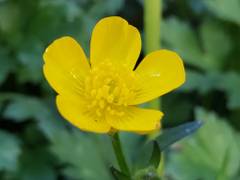
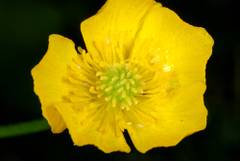
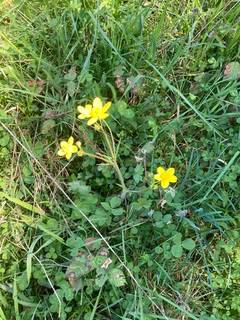
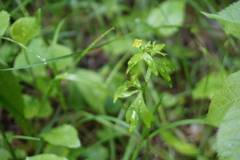
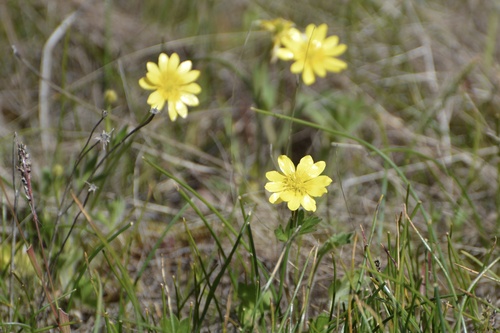
Ranunculus californicus is a herbaceous perennial wildflower native to the grasslands and open woodlands of the Pacific Coast, growing 8-24 inches (20-60 cm) tall from a cluster of fibrous roots. The basal leaves are deeply lobed and divided, 1-3 inches (2.5-7.5 cm) wide, on long stalks, forming a low clump from which branched flowering stems rise. From late winter into spring, the stems carry glossy yellow flowers 0.75-1.25 inches (2-3 cm) across, each typically with 9 to 17 shining petals, more than the five of many buttercups. The waxy petal surface reflects light and gives the flowers a lacquered sheen. The species grows in moist meadows, valley grasslands, and the edges of oak woodland, blooming after winter rains and going dormant as the soil dries in summer. It draws native bees and other early pollinators. All parts contain protoanemonin, a compound that can irritate skin and is toxic if eaten by people or livestock. Limitations include summer dormancy that leaves a gap in the planting, a need for winter and spring moisture, and the toxicity of the foliage. Plants reseed and slowly spread in suitable meadow conditions.
Native Range
Ranunculus californicus is native to the Pacific Coast of North America, from Oregon south through California into Baja California. It grows in moist grasslands, valley meadows, coastal prairie, and the open edges of oak and mixed woodland.Suggested Uses
Grown in native meadow, grassland, and woodland-edge plantings for early spring color. Used in restoration seed mixes and pollinator gardens across its native range. Suited to sites that stay moist in winter and spring and dry in summer.How to Identify
Appearance
Size & Dimensions
Height8" - 2'
Width/Spread1' - 1'6"
Bloom Information
Flowers open from late winter into spring, generally February through May depending on latitude and rainfall. The branched stems bloom over several weeks, each flower lasting a few days. Bloom follows the winter rains and ends as summer drought sets in. Small clustered dry seeds follow the flowers.
Detailed Descriptions
Foliage Description
Green, deeply dividedGrowing Conditions
Sun Requirements
Requires 4-8 hours of direct sunlight daily
• Full Sun: 6+ hours of direct sunlight
• Partial Shade: 3-6 hours of direct sunlight
• Full Shade: Less than 3 hours of direct sunlight