Ranunculus, Genus, abortivus, Species,
- Genus & species
small-flowered buttercup
Overview
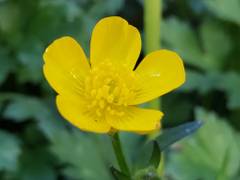
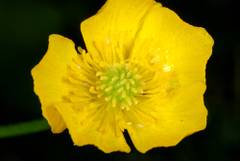
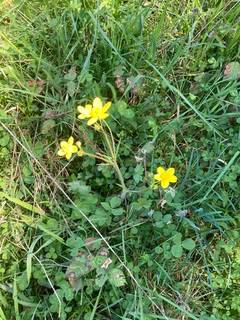
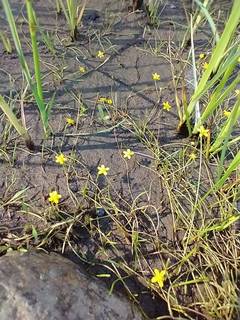
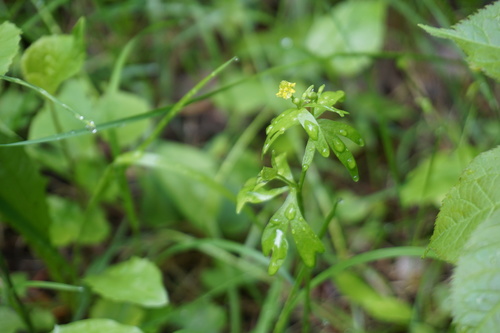
Ranunculus abortivus is a small annual or biennial buttercup native across much of North America, growing 6-24 inches (15-60 cm) tall on slender, branching, mostly hairless stems. The basal leaves are rounded to kidney-shaped with scalloped margins, while the upper stem leaves are deeply divided into narrow lobes. From spring it carries many tiny flowers, each about 0.2-0.3 inch (5-8 mm) across, with five pale yellow petals shorter than the reflexed green sepals, so each bloom reads more green than yellow. After flowering, the petals drop and the flower base swells into a small green, cylindrical to oval head of numerous achenes. The plant favours moist woods, shaded streambanks, meadows, lawns, and disturbed ground, often appearing as a weed of gardens and field edges. It self-sows freely and can spread quickly in damp, fertile soil. Like other buttercups, the fresh sap contains protoanemonin, which can irritate skin and is bitter and mildly poisonous if eaten, so livestock and most browsers leave it alone. Each plant completes its life cycle within one to two years.
Native Range
Native throughout much of North America, from Canada south across the eastern and central United States, with scattered occurrences in the west.Suggested Uses
Found in naturalized woodland edges, moist meadows, and native plant areas rather than formal plantings. It can be tolerated as a spring nectar source for small bees in informal gardens. It is generally treated as a weed in lawns and cultivated beds.How to Identify
Appearance
Size & Dimensions
Height6" - 2'
Width/Spread4" - 8"
Bloom Information
Flowering runs from April to June, beginning early in spring. Each plant produces a succession of small flowers over several weeks. Seed ripens through late spring and early summer.
Detailed Descriptions
Flower Description
pale yellow, smallFoliage Description
green; rounded to kidney-shaped basal leavesGrowing Conditions
Sun Requirements
Requires 3-6 hours of direct sunlight daily
• Full Sun: 6+ hours of direct sunlight
• Partial Shade: 3-6 hours of direct sunlight
• Full Shade: Less than 3 hours of direct sunlight