Ranunculus, Genus, occidentalis, Species,
- Genus & species
western buttercup
Western North America (Alaska to California)
Overview
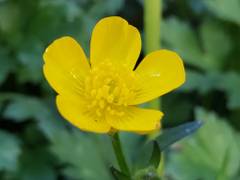
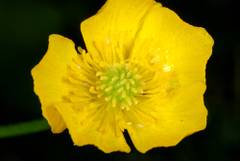
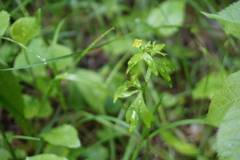
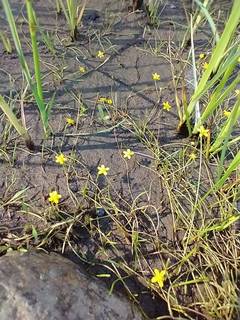
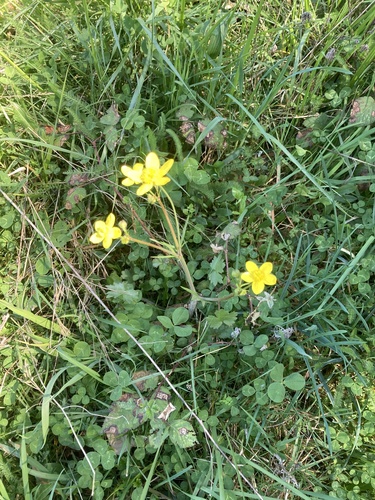
Ranunculus occidentalis is a herbaceous perennial reaching 8-24 inches (20-60 cm) tall and 8-12 inches (20-30 cm) wide on slender, often hairy, branching stems from a fibrous-rooted crown. Basal leaves long-stalked and deeply 3-lobed (sometimes again 3-cleft), 1-3 inches (2.5-7.5 cm) wide, medium green; stem leaves smaller and more deeply dissected upward. Flowers cup-shaped with 5 (occasionally 6) glossy bright yellow petals 0.4-0.6 inch (10-15 mm) long, surrounding numerous yellow stamens and a small green pistil cluster, blooming from April through July. The petal surface is highly reflective and appears almost varnished, an optical effect from microstructured cell layers. Seeds (achenes) develop in tight spherical clusters; achenes are 0.1-0.15 inch (2.5-4 mm) long with short curved beaks. All parts of fresh plants contain ranunculin, which converts to the irritant protoanemonin when bruised; foliage causes mouth blistering in livestock and skin irritation on contact in sensitive individuals.
Native Range
Native to moist meadows, prairies, oak woodlands, vernal pools, and stream margins in western North America from Alaska south through British Columbia, Washington, Oregon, Idaho, and California, generally at elevations from sea level to 9,500 feet (2,900 m).Suggested Uses
Used in moist meadow restoration, native prairie plantings, oak woodland understories, and rain gardens at 12-15 inch (30-38 cm) spacing in zones 5-9. Combines with Camassia quamash, Lomatium utriculatum, and other PNW spring-blooming meadow species in restored prairies. Containers tolerate the species in pots of at least 2 gallons (7.5 L) with moisture-retentive loam mix; container plants are typically shorter-lived (2-3 years) than in-ground plantings.How to Identify
Appearance
Size & Dimensions
Height8" - 2'
Width/Spread8" - 1'
Bloom Information
April through July across the species range, with peak bloom from late April through May at low elevations and from June through early July at higher elevations. Individual flowers last 5-7 days; clumps produce sequential branched flowering stems over 6-8 weeks. Bloom ends abruptly with onset of summer dry conditions in Mediterranean-climate sites.
Detailed Descriptions
Foliage Description
Medium green, deeply lobedGrowing Conditions
Sun Requirements
Requires 4-10 hours of direct sunlight daily
• Full Sun: 6+ hours of direct sunlight
• Partial Shade: 3-6 hours of direct sunlight
• Full Shade: Less than 3 hours of direct sunlight
Care & Maintenance
Care Guide
Establishes from container stock or direct-sown seed within one growing season in moist loam or sandy loam soils with weekly water through the first summer. Mature plants tolerate periodic drought once established but go dormant earlier in dry summers; foliage may disappear by late June in xeric sites. Crown rot occurs in heavy clay that stays saturated through summer. Slugs and snails feed on emerging spring foliage. Plants reseed in undisturbed soil and may form colonies over time. All parts contain ranunculin and protoanemonin; livestock generally reject the bitter foliage but ingestion of large quantities causes oral blistering and gastrointestinal distress.Pruning
Cut spent flower stems at the base in midsummer after seed dispersal to neaten appearance. Yellowing summer foliage is left to die back naturally; nutrients reabsorb to the crown for the following year. Plants respond poorly to mid-season cutback into live growth and may not recover from severe foliar removal.Pruning Schedule
Prune: July
summer
Container Growing
Suitable for container growing
Minimum container size: 2 gallons