Quercus, Genus, velutina, Species,
- Genus & species
black oak
Overview
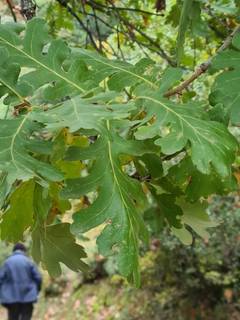
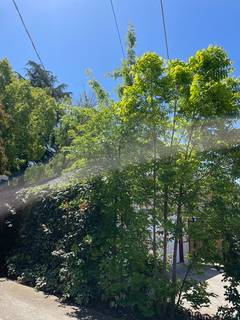
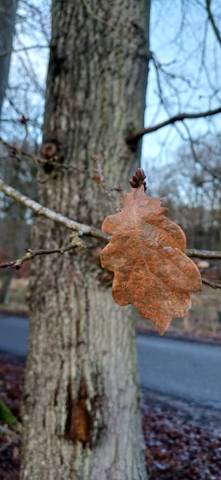
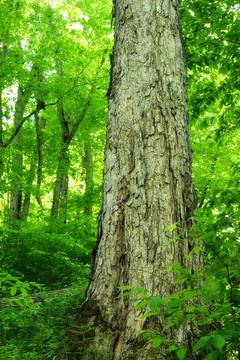
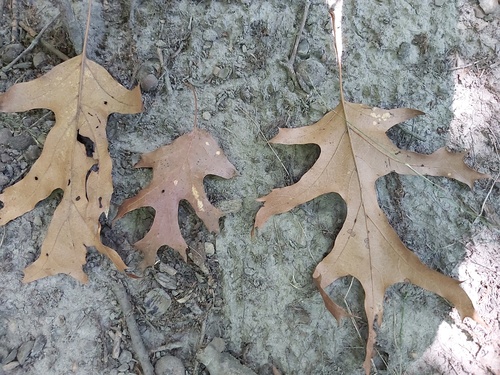
Quercus velutina is a deciduous tree in the red oak group, reaching 50–80 feet (15–24 m) tall and occasionally to 100 feet (30 m), with a spread of 40–50 feet (12–15 m). The trunk bears dark, nearly black bark broken into thick, blocky ridges, while the inner bark is bright orange-yellow and contains tannins once used as a dye. Leaves are 4–10 inches (10–25 cm) long with 5–7 bristle-tipped lobes, glossy dark green above and paler below with rust-colored hairs in the vein axils. New foliage emerges with a reddish tint and turns dull red to brown in autumn. Yellow-green male catkins and small female flowers appear in spring as the leaves expand. Acorns are 0.5–0.75 inch (12–20 mm) long, half-enclosed in a scaly cup, and mature over two growing seasons. The species hybridizes with other red oaks, producing intermediate forms that complicate identification. It grows on dry upland slopes and poor, sandy or rocky soils. The wood is heavy and coarse-grained but often knotty, limiting its use compared with northern red oak. Acorns are bitter and high in tannins, eaten by deer, squirrels, and wild turkey.
Native Range
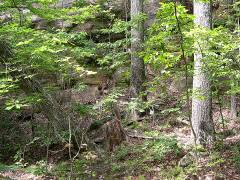
Native to eastern and central North America, from southern Maine and Ontario west to Minnesota and south to Florida and eastern Texas. It is common in the Appalachian region and the Ozark Plateau on dry upland sites.Suggested Uses
Planted as a shade or specimen tree on large properties, in parks, and along naturalized woodland edges. Suited to dry, poor soils where more demanding trees fail. Used in restoration of oak-hickory forests and as a mast source for wildlife.How to Identify
Appearance
Size & Dimensions
Height50' - 80'
Width/Spread40' - 50'
Bloom Information
Flowers appear in April and May as the leaves unfold. Yellow-green male catkins hang 4–6 inches (10–15 cm) long, while female flowers are small and borne in the leaf axils. Wind carries the pollen, and flowering lasts about two weeks.
Detailed Descriptions
Foliage Description
glossy dark green, dull red in autumnGrowing Conditions
Sun Requirements
Requires 6-10 hours of direct sunlight daily
• Full Sun: 6+ hours of direct sunlight
• Partial Shade: 3-6 hours of direct sunlight
• Full Shade: Less than 3 hours of direct sunlight
Care & Maintenance
Care Guide
Grows in full sun on well-drained, acidic soils with a pH of 4.5–6.5, including dry sandy and rocky sites. It tolerates drought once established and is sensitive to root disturbance, making transplanting of large specimens difficult. Young container or bare-root stock transplants more readily than mature trees, set out in autumn or early spring. The taproot is deep, so plants need a loose, deep rooting zone. Slow to moderate growth produces a mature canopy over 40–60 years. Hardy in USDA zones 3 to 9.Pruning
Pruning is done in late autumn or winter dormancy to limit exposure to oak wilt, which spreads through fresh wounds during the growing season. Dead or crossing branches are removed while the tree is young to establish a sound framework. Mature trees need little beyond deadwood removal.Pruning Schedule
Prune: November–January
fallwinter