Quercus, Genus, turbinella, Species,
- Genus & species
Sonoran scrub oak
Southwestern United States and northern Mexico
Overview
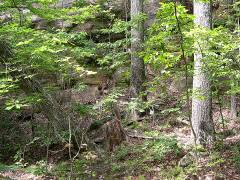
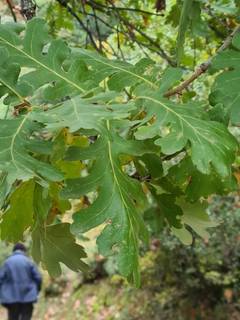
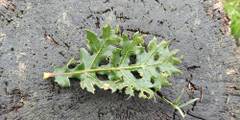
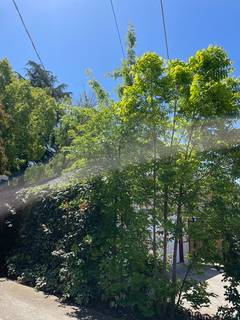
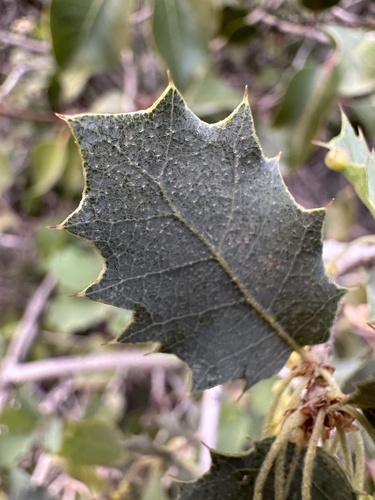
Quercus turbinella, Sonoran scrub oak, is a dense, evergreen shrub or small tree in the Fagaceae, typically 3-15 ft (0.9-4.6 m) tall and often wider than tall, with rigid, intricately branched gray stems. The small, leathery leaves are 0.5-1.5 in (1.5-4 cm) long, oblong to oval, blue-green to gray-green, and edged with sharp, holly-like spiny teeth. Tiny yellow-green catkins appear in spring and are wind-pollinated, followed by slender acorns about 0.5-1 in (1.5-2.5 cm) long that mature in a single season. Quercus turbinella is native to dry foothills, mesas, and chaparral of the southwestern United States and northern Mexico, where it is a defining shrub of interior chaparral and pinyon-juniper woodland. It forms dense thickets that shelter and feed deer, javelina, birds, and small mammals with cover and acorn mast. The plant hybridizes readily with other scrub oaks, producing intermediate forms. It is slow-growing, deeply rooted, drought- and cold-tolerant, and resprouts vigorously from the root crown after fire or cutting. The spiny foliage and dense, rigid habit make it difficult to work near.
Native Range
Native to the southwestern United States, including Arizona, Nevada, Utah, California, New Mexico, and western Texas, and adjacent northern Mexico. It grows on dry foothills, mesas, rocky slopes, and interior chaparral, often with pinyon and juniper.Suggested Uses
Used as a barrier, informal screen, or clipped hedge, and in dryland restoration and habitat plantings. Suited to unwatered slopes and chaparral or desert gardens. Combines with manzanita, pinyon, and other interior-Southwest natives.How to Identify
Appearance
Size & Dimensions
Height3' - 15'
Width/Spread6' - 15'
Bloom Information
Flowers in spring, from March through May, with small yellow-green catkins that release wind-borne pollen. The flowers are inconspicuous and produce no showy display. Acorns develop over the summer and ripen in fall of the same year.
Detailed Descriptions
Foliage Description
blue-green to gray-greenGrowing Conditions
Sun Requirements
Requires 6-12 hours of direct sunlight daily
• Full Sun: 6+ hours of direct sunlight
• Partial Shade: 3-6 hours of direct sunlight
• Full Shade: Less than 3 hours of direct sunlight
Care & Maintenance
Care Guide
Grows in full sun to part shade in sharply drained rocky, sandy, or loam soil with pH 6.0 to 8.0. It needs very little water once established and tolerates heat, cold, drought, and poor ground. Deep roots make it slow to establish but long-lived afterward. It resprouts from the base after fire or hard cutting. Summer irrigation and wet soils are not tolerated.Pruning
Prune in late winter to shape or limb up into a small tree, removing crowded or dead branches. It withstands hard cutting and resprouts from the root crown. The spiny foliage is hazardous to handle during pruning.Pruning Schedule
Prune: February
winter