Quercus, Genus, serrata, Species,
- Genus & species
Konara oak
Overview
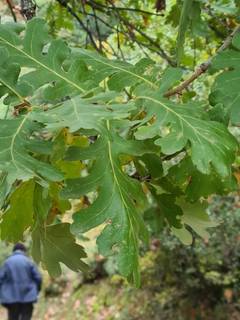
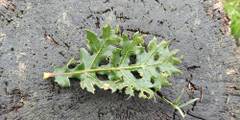
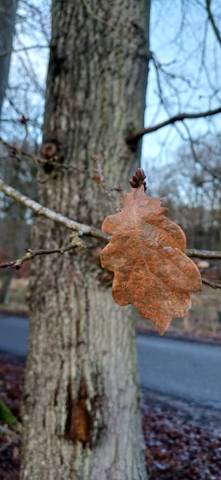
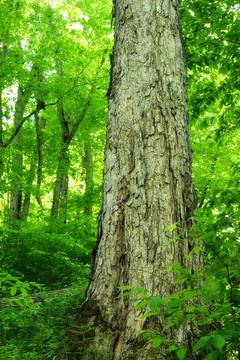
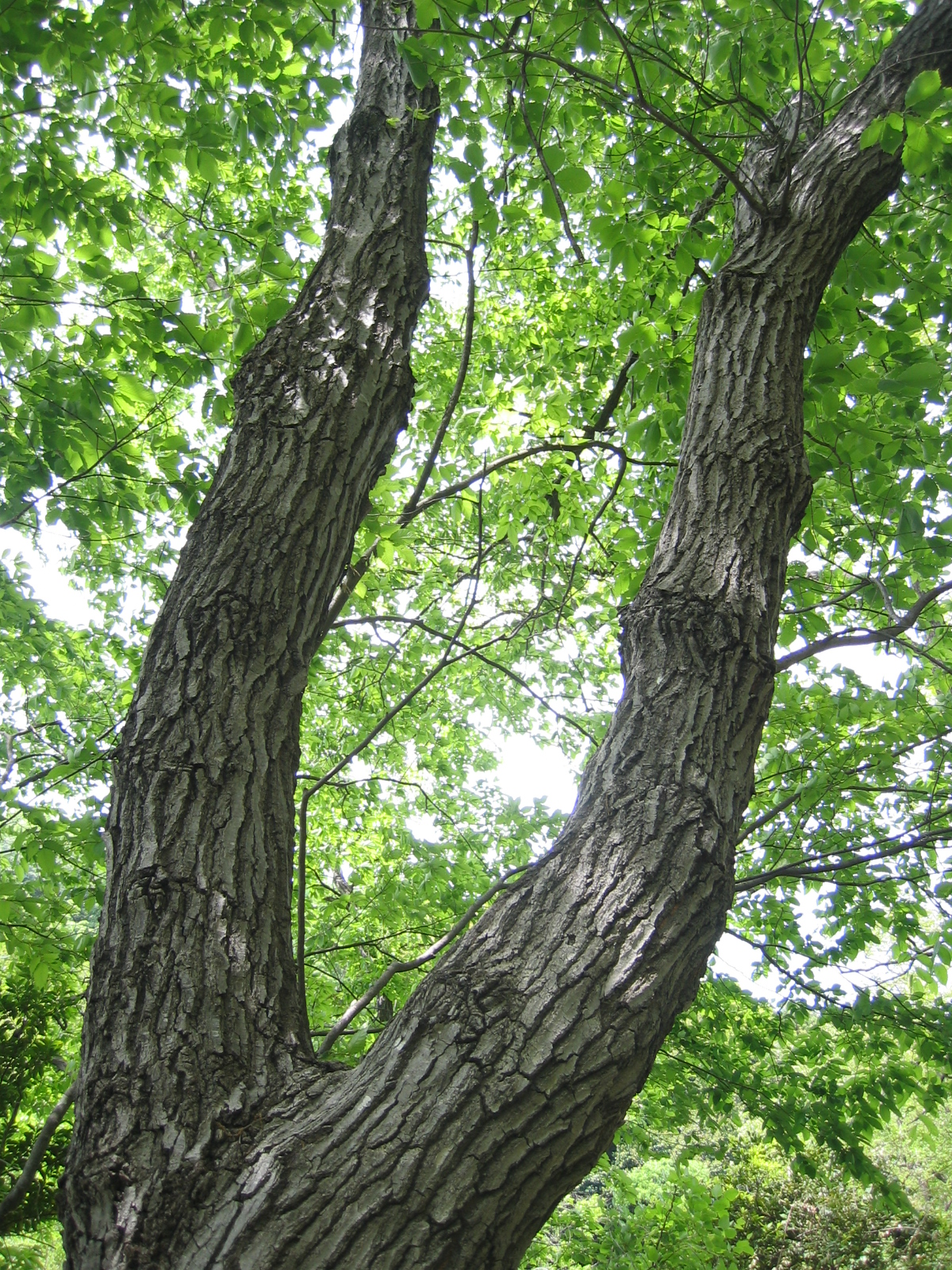
Quercus serrata is a deciduous broadleaf tree in the beech family (Fagaceae), reaching 40–60 feet (12–18 m) tall and 30–50 feet (9–15 m) wide at maturity. The crown is broad and rounded, carried on a single trunk with gray-brown bark that becomes shallowly furrowed with age. Leaves are obovate to elliptic, 3–7 inches (8–18 cm) long and 1.5–3 inches (4–8 cm) wide, with 10–14 pairs of parallel veins ending in bristle-tipped, forward-pointing teeth, a pattern that resembles chestnut (Castanea) foliage. New leaves emerge bronze-pink to pale green in April and mature to dull green above and paler beneath, with soft hairs along the veins. Autumn color ranges from yellow to orange-brown, and brown leaves often persist on lower branches into winter. Male flowers hang as catkins 2–4 inches (5–10 cm) long in April–May. Acorns are ovoid, 0.6–0.8 inch (15–20 mm) long, held in cups covered with scales, and ripen in a single season. Growth is slow, averaging about 12 inches (30 cm) per year, and a taproot develops early, which reduces transplant success of large specimens. Soils above pH 7.5 can cause iron chlorosis, with yellow leaves and green veins.
Native Range
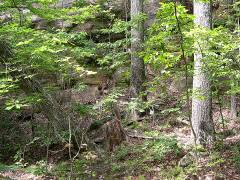
Quercus serrata is native to Japan, Korea, and China, where it grows in deciduous and mixed forests from lowlands to montane slopes. In Japan it occurs from Hokkaido to Kyushu, forming much of the secondary woodland known as satoyama.Suggested Uses
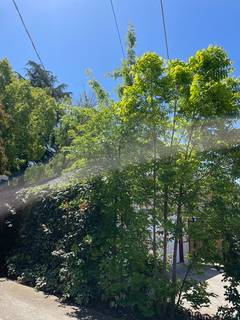
Used as a shade tree in large gardens, parks, and arboretums, spaced 30–40 feet (9–12 m) from buildings and other large trees. In Japan and Korea the species is planted at woodland edges, and its wood is used for firewood, charcoal, and shiitake mushroom log cultivation.How to Identify
Appearance
Size & Dimensions
Height40' - 60'
Width/Spread30' - 50'
Colors
Bloom Information
Male catkins 2–4 inches (5–10 cm) long open in April–May as the leaves emerge, and shed wind-borne pollen over 1–2 weeks. Female flowers are green, about 0.1 inch (2–3 mm) across, and appear at the base of new shoots. Flowers are wind-pollinated and produce no showy petals.
Detailed Descriptions
Foliage Description
Bronze-pink when emerging, dull green in summer, yellow to orange-brown in autumnGrowing Conditions
Sun Requirements
Requires 6-10 hours of direct sunlight daily
• Full Sun: 6+ hours of direct sunlight
• Partial Shade: 3-6 hours of direct sunlight
• Full Shade: Less than 3 hours of direct sunlight
Care & Maintenance
Care Guide
Grows in full sun in deep, moist, well-drained soil with a pH of 5.0–7.0. Young trees receive about 1 inch (2.5 cm) of water per week during the first 2–3 growing seasons, and established trees tolerate short dry periods. Hardy in USDA zones 5–8, with spring leaf growth sometimes damaged by late frosts. A taproot develops early, so container-grown trees under 2 inches (5 cm) trunk caliper transplant more successfully than large balled trees. Mulch layers 3 inches (7.5 cm) deep over the root zone retain moisture, with the mulch held 3–4 inches (7.5–10 cm) away from the trunk. Soils above pH 7.5 limit iron uptake and cause chlorosis.Pruning
Pruning is limited to removal of dead, crossing, or damaged branches during winter dormancy, December–February, when the sap beetles that spread oak wilt are inactive. Young trees are trained to a single central leader during the first 5–10 years. Cuts larger than 2 inches (5 cm) in diameter heal slowly, and pruning does not take place between April and July.Pruning Schedule
Prune: December–February
winter