Image 1 of 11
1 / 11
Plant Reference
Quercus, Genus, garryana, Species,
- Genus & species
Oregon white oak, Garry oak
Western North America from southern British Columbia south through Washington, Oregon, and into northern California; oak savannas, prairies, woodland margins, and dry rocky slopes from sea level to 4,000 feet (1,200 m)
Overview
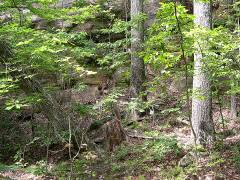
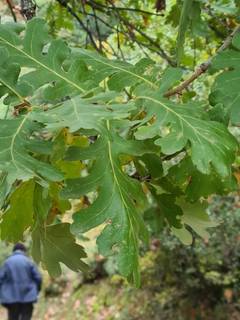
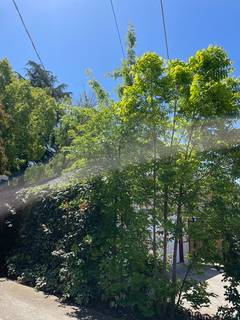
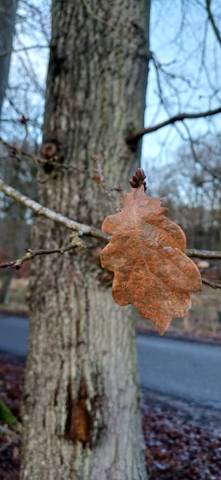
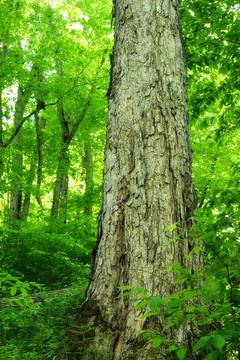
Quercus garryana is a medium to large deciduous tree in the family Fagaceae reaching 40–80 feet (12–24 m) tall and 40–60 feet (12–18 m) wide with a broad rounded crown and massive, often gnarled spreading limbs on open-grown specimens. The species is the only native oak of the Pacific Northwest and British Columbia and defines the oak savanna and prairie ecosystems of the region, and open-grown trees develop the gnarled spreading limb structure that is the species signature while forest-grown trees form a taller narrower crown with a clean single trunk. Bark is light gray, shallowly fissured, and broken into scaly blocky ridges. Leaves are alternate, simple, obovate, 3–6 inches (8–15 cm) long, and carry 5–7 deep rounded lobes without bristle tips, a character of the white oak group (section Quercus). Foliage is dark green and leathery on the upper surface, paler and slightly pubescent beneath, and turns yellow-brown to russet in fall; fall color is variable and is not the main ornamental feature. Monoecious catkins open in April and May concurrent with leaf emergence and are not ornamentally significant. Acorns are ovoid, 1–1.25 inches (2.5–3 cm) long, with a shallow warty cup enclosing about one-quarter of the nut, and mature in a single year ripening in September and October. Trees are very long-lived at 250–500+ years and the species develops a deep taproot that makes transplanting of stock larger than 2–3 inch caliper very difficult. Limitation: Oregon white oak savanna and prairie ecosystems across the Pacific Northwest have declined by over 90% since European settlement through fire suppression, agricultural and urban development, and conifer encroachment by Douglas fir (Pseudotsuga menziesii), and the remaining oak habitats are under active restoration management across the region; growth is slow at 6–12 inches (15–30 cm) per year, particularly in the first 20–30 years, so new plantings are a multi-generational commitment rather than a quick shade tree.
Native Range
Native to western North America from southern British Columbia south through Washington, Oregon, and into northern California. Grows in oak savannas, prairies, woodland margins, and dry rocky slopes from sea level to 4,000 feet (1,200 m). The species is the only native oak of British Columbia and is the dominant native oak in western Oregon and Washington. Named for Nicholas Garry, deputy governor of the Hudson's Bay Company, by David Douglas.Suggested Uses
Used as a specimen shade tree in large residential landscapes, parks, public grounds, and native plant restoration plantings at 30–40 foot (9–12 m) spacing from structures. Established trees are not irrigated during summer, so drought-tolerant companion plantings of native bunchgrasses, camas (Camassia species), and other oak savanna associates are the appropriate understory. The acorn crop supplies food for native jays, squirrels, woodpeckers, and deer, and the 250–500+ year lifespan makes the species a multi-generational legacy tree for landscape positions that will persist through several human generations. Conservation and restoration of Oregon white oak savanna and prairie is a regional priority across the Pacific Northwest and new plantings on suitable sites contribute to habitat recovery.How to Identify
Appearance
Size & Dimensions
Height40' - 80'
Width/Spread40' - 60'
Bloom Information
Monoecious catkins open in April and May concurrent with leaf emergence. Male catkins are pendulous and yellowish-green, and female flowers are tiny and inconspicuous at the tips of the new shoots. The bloom is wind-pollinated and is not ornamentally significant. Acorns mature in a single year and ripen in September and October.
Detailed Descriptions
Flower Description
monoecious; male catkins are pendulous and yellowish-green, and female flowers are tiny and inconspicuous at the tips of the new shootsFoliage Description
dark green and leathery on the upper surface, paler and slightly pubescent beneath; alternate, simple, obovate, 3-6 inches (8-15 cm) long with 5-7 deep rounded lobes without bristle tips; turns yellow-brown to russet in fallGrowing Conditions
Sun Requirements
Requires 6-12 hours of direct sunlight daily
• Full Sun: 6+ hours of direct sunlight
• Partial Shade: 3-6 hours of direct sunlight
• Full Shade: Less than 3 hours of direct sunlight
Care & Maintenance
Care Guide
Site in full sun with 6–12 hours of direct sun per day in well-drained native soil with a pH of 5.0–7.0. Supplemental irrigation during the first two summers after planting helps establish the deep taproot, but summer irrigation is withdrawn once the tree is established because Q. garryana is adapted to summer drought and sustained summer watering produces root rot from Armillaria mellea and Phytophthora species. Transplant stock is selected as small container-grown or young balled-and-burlapped trees because the deep taproot makes transplanting larger stock very difficult. Existing mature trees on development sites call for construction protection: grade changes, soil compaction, and irrigation within the dripline cause decline that may take 5–10 years to become visible. Sudden Oak Death (Phytophthora ramorum) is a regional concern in Oregon and quarantine guidelines apply to movement of nursery stock. Oak gall wasps produce disfiguring but harmless galls on twigs and leaves. Hardy in USDA zones 6–8.Pruning
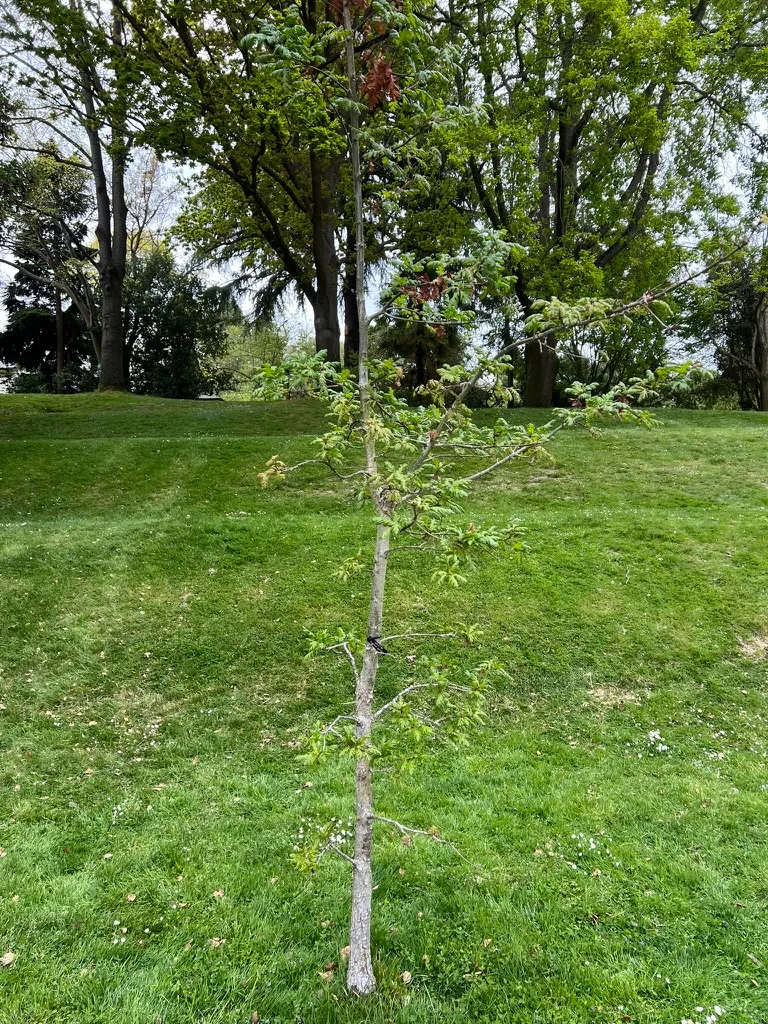
Pruning is done in late winter (January and February) while the tree is dormant. Mature trees need little pruning beyond removal of dead, damaged, and crossing branches. Heavy pruning of established trees is kept to a minimum because wound closure is very slow on this species and large cuts invite decay organisms into the heartwood. Young trees are trained to a single central leader with co-dominant stems reduced in the first 5–10 years. On existing open-grown oaks affected by conifer encroachment, selective removal of the encroaching Douglas fir and other conifers is the appropriate management response rather than pruning the oak itself.Pruning Schedule
Prune: January–February
winter