Quercus, Genus, phellos, Species,
- Genus & species
willow oak
Eastern and southeastern United States (New York to Illinois, south to Florida and east Texas); moist to wet lowland forests, floodplains, and bottomlands
Overview
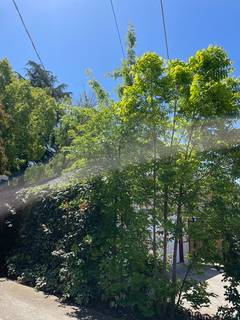
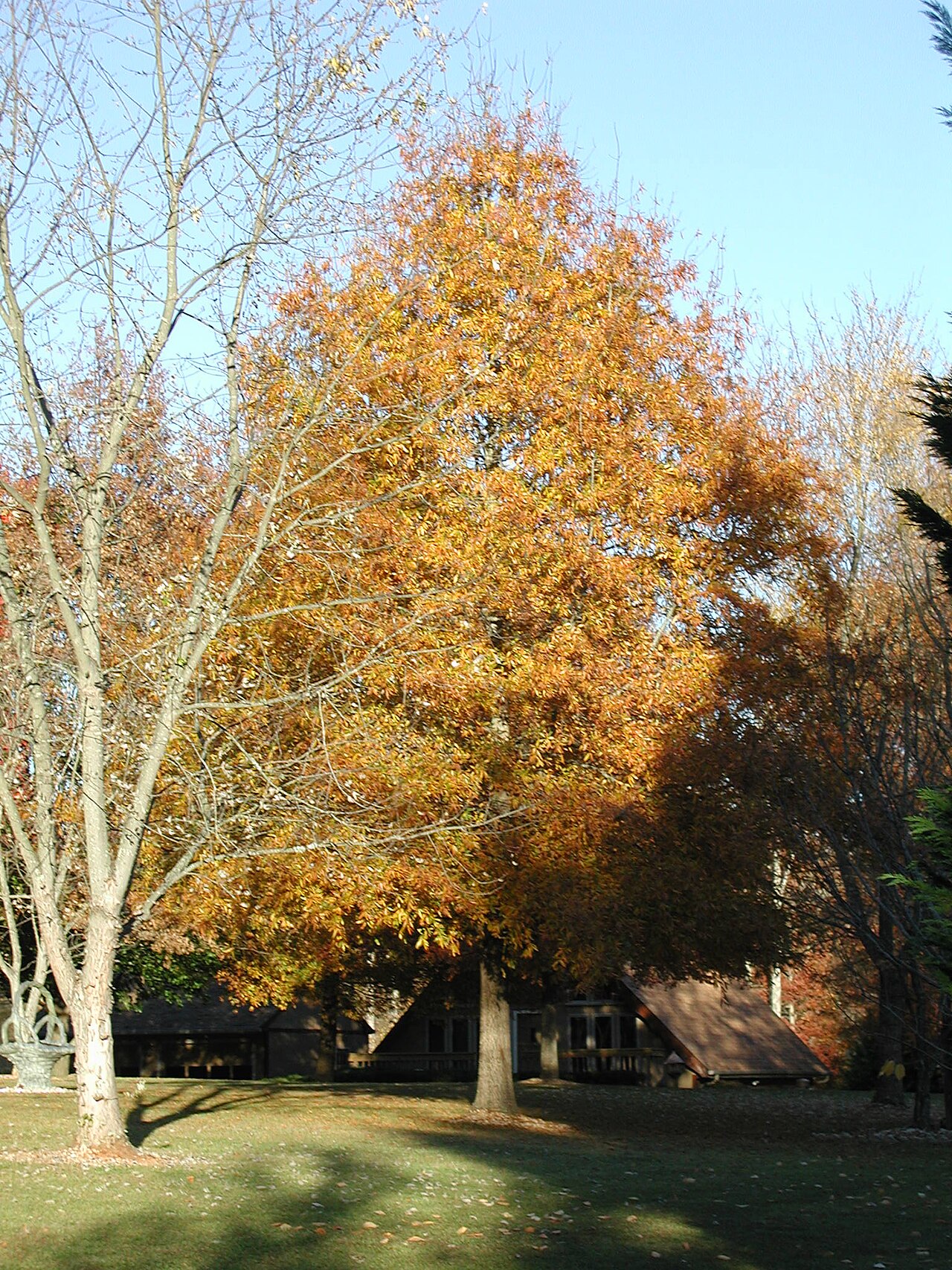
Quercus phellos is a deciduous tree reaching 40–75 feet (12–23 m) tall and 25–45 feet (7.6–14 m) wide, with a pyramidal crown when young that matures to a broadly oval to rounded canopy. Linear to lanceolate unlobed leaves are 2–5 inches (5–13 cm) long and only 0.3–0.8 inch (8–20 mm) wide — a leaf length-to-width ratio closer to willow (Salix) foliage than to typical oak foliage, and narrower than the 1–2+ inch leaf widths of most other deciduous oaks. Leaves are glossy medium green in summer and turn yellow to russet-brown (sometimes with red tones) in autumn before dropping cleanly. Acorns are small, 0.4–0.5 inch (10–13 mm), nearly round, in thin saucer-like cups, maturing over 2 years (red oak group). Growth rate is fast among oaks — a rate comparable to Quercus palustris and higher than Quercus alba or Quercus rubra under equivalent conditions. Hardy in USDA zones 5–9. The species requires acidic soil at pH 6.5 and below; alkaline soils produce interveinal iron chlorosis, dry sites cause premature leaf drop and stunted growth, and the 40–75 foot (12–23 m) mature height exceeds the space available in small urban gardens.
Native Range
Quercus phellos is native to the eastern and southeastern United States, from New York west to Illinois and south to Florida and east Texas, in moist to wet lowland forests, floodplains, and bottomlands.Suggested Uses
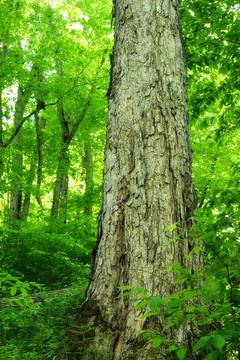
Planted as a shade or street tree at 30–40 foot (9–12 m) spacing in USDA zones 5–9, in residential lawns, parks, campus plantings, and restoration-adjacent bottomland gardens. The narrow willow-like foliage produces a feathery-textured canopy that reads visually lighter than the dense canopy of white oak or red oak, so the tree suits positions where a more open texture is useful beneath it. Fast growth and high transplant success support plantings where establishment speed matters. Alkaline soils, dry sites without supplemental irrigation, and small gardens that cannot accommodate the 40–75 foot (12–23 m) mature height are the main planting limitations.How to Identify
Appearance
Size & Dimensions
Height40' - 75'
Width/Spread25' - 45'
Bloom Information
Produces inconspicuous catkins in April and May. Small nearly round acorns 0.4–0.5 inch (10–13 mm) sit in thin saucer cups and mature over 2 years (red oak group). The narrow willow-like summer foliage and yellow-to-russet-brown autumn color are the main visual features.
Detailed Descriptions
Foliage Description
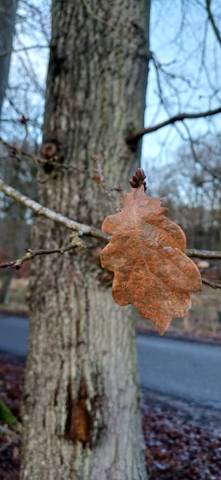
Glossy medium green; linear to lanceolate 2–5 inches (5–13 cm) long by only 0.3–0.8 inch (8–20 mm) wide; narrower than any common eastern deciduous oak; yellow to russet-brown autumn colorGrowing Conditions
Sun Requirements
Requires 6-12 hours of direct sunlight daily
• Full Sun: 6+ hours of direct sunlight
• Partial Shade: 3-6 hours of direct sunlight
• Full Shade: Less than 3 hours of direct sunlight
Care & Maintenance
Care Guide
Plant in full sun in moist, well-drained acidic loam, clay, or silty soil at pH 4.5–6.5. Hardy in USDA zones 5–9. The species tolerates wet soils and periodic inundation consistent with its native bottomland range. Alkaline soils above pH 6.5 induce interveinal iron chlorosis and long-term decline, so soil-test results should be confirmed before planting. Transplanting success is higher than for most oaks, so establishment from bare-root or B&B stock is more reliable than for Quercus alba or Quercus rubra. Fast growth means young trees require structural pruning to set a central leader before canopy weight produces co-dominant stems.Pruning
Prune in late winter while the tree is dormant. Structural pruning during the first 10–15 years establishes a central leader and prevents co-dominant stem formation that becomes problematic at mature size. Limb up the lower branches systematically to raise the canopy above pedestrian or vehicular clearance. Remove dead or crossing branches only after structure is established.Pruning Schedule
Prune: January–February
winter