Quercus, Genus, ×, Hybrid, morehus, Species,
- Genus & species
- Hybrid
oracle oak
Overview
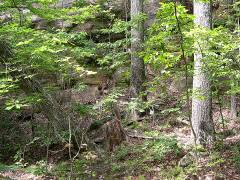
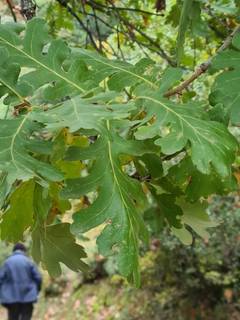
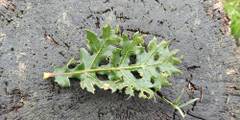
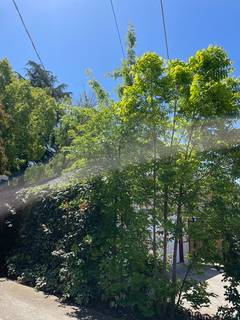
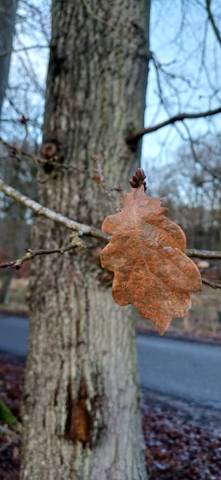
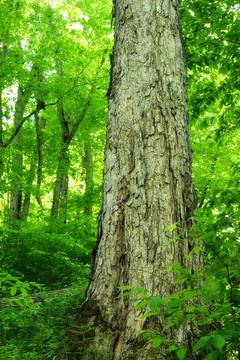
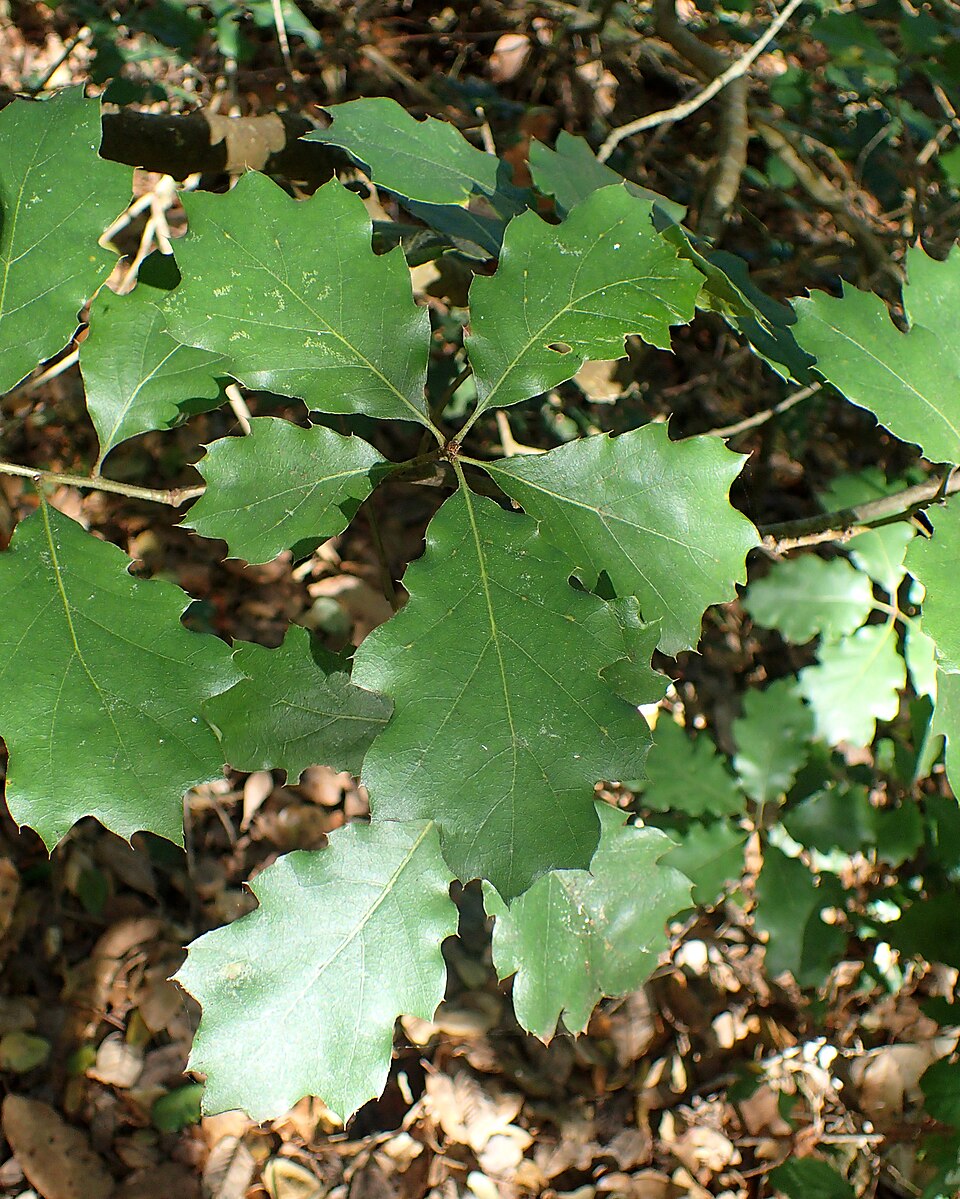
Quercus × morehus is a semi-evergreen tree reaching 30–60 feet (9–18 m) tall and 20–40 feet (6–12 m) wide, a natural hybrid between the deciduous California black oak Quercus kelloggii and the evergreen interior live oak Quercus wislizeni. It forms a rounded to spreading crown on a single trunk with dark, furrowed bark. The leaves are intermediate between the parents: 1.5–3 inches (4–7.5 cm) long, leathery, with shallow, bristle-tipped lobes or coarse teeth, dark glossy green above. Many leaves persist through winter and drop as new growth appears, so the tree holds partial foliage year-round. Acorns 0.75–1 inch (2–2.5 cm) long sit in deep, scaly cups and take two years to mature, as in both parents. The hybrid occurs as scattered individuals wherever the ranges of the two oaks overlap in California. Growth is slow to moderate, and trees are long-lived. Acorns and foliage contain tannins that are toxic to dogs and livestock if eaten in quantity. As a wild hybrid, individual trees vary in leaf shape and in how evergreen they are.
Native Range
Quercus × morehus occurs naturally in California, in the foothills and lower mountains of the Coast Ranges, Sierra Nevada, and southern California, wherever Quercus kelloggii and Quercus wislizeni grow together. It appears as scattered trees within mixed oak woodland and chaparral rather than forming stands. It is endemic to the region shared by its two parent species.Suggested Uses
Grown as a shade and specimen tree in large California gardens and native plantings, spaced 25–40 feet (7.5–12 m) from buildings and other trees. It is used in oak-woodland restoration and habitat plantings, where its acorns feed wildlife. The partly evergreen canopy gives year-round shade and cover.How to Identify
Appearance
Size & Dimensions
Height30' - 60'
Width/Spread20' - 40'
Bloom Information
Like other oaks, Quercus × morehus flowers in spring as the new leaves expand, bearing drooping yellow-green male catkins and small, inconspicuous female flowers. Wind carries the pollen, and there is no showy bloom. Pollinated female flowers develop into acorns that ripen in the second autumn after flowering.
Detailed Descriptions
Foliage Description
dark greenGrowing Conditions
Sun Requirements
Requires 6-10 hours of direct sunlight daily
• Full Sun: 6+ hours of direct sunlight
• Partial Shade: 3-6 hours of direct sunlight
• Full Shade: Less than 3 hours of direct sunlight
Care & Maintenance
Care Guide
Quercus × morehus grows in full sun on well-drained slopes and flats at pH 5.5–7.5, tolerating the dry summers of its native California range. Young trees need occasional deep watering to establish, after which the tree is drought-tolerant and needs little summer water. Summer irrigation near the trunk of an established oak encourages root and crown rot. It is hardy in USDA zones 7–9 and adapted to hot, dry sites with cool, wet winters. The tree casts dense shade and drops leaves and acorns that gardeners often rake from paths. Growth is slow, and trees develop a deep root system suited to dry ground.Pruning
Structural pruning of young oaks in late summer or fall, during the dry season, builds a sound branch framework and lowers the risk of fungal infection. Mature oaks need only removal of dead or crossing limbs. Pruning in the wet winter and spring is avoided in California, since it raises the risk of oak diseases spread by beetles.Pruning Schedule
Prune: August–September
summerfall