Quercus, Genus, michauxii, Species,
- Genus & species
swamp chestnut oak
Overview
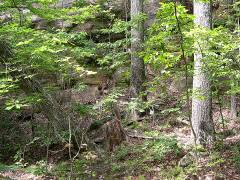
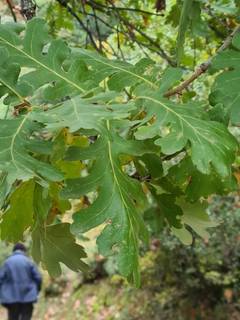
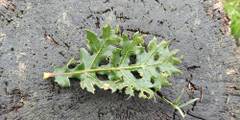
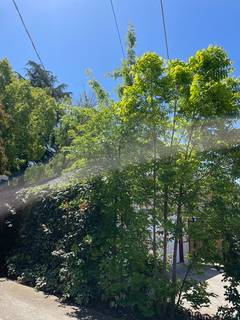
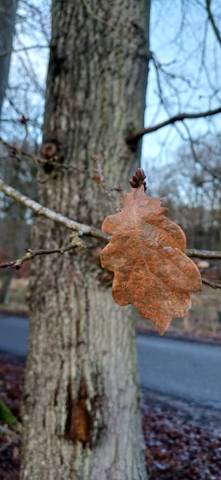
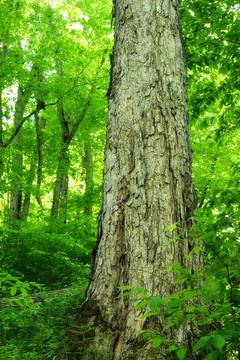
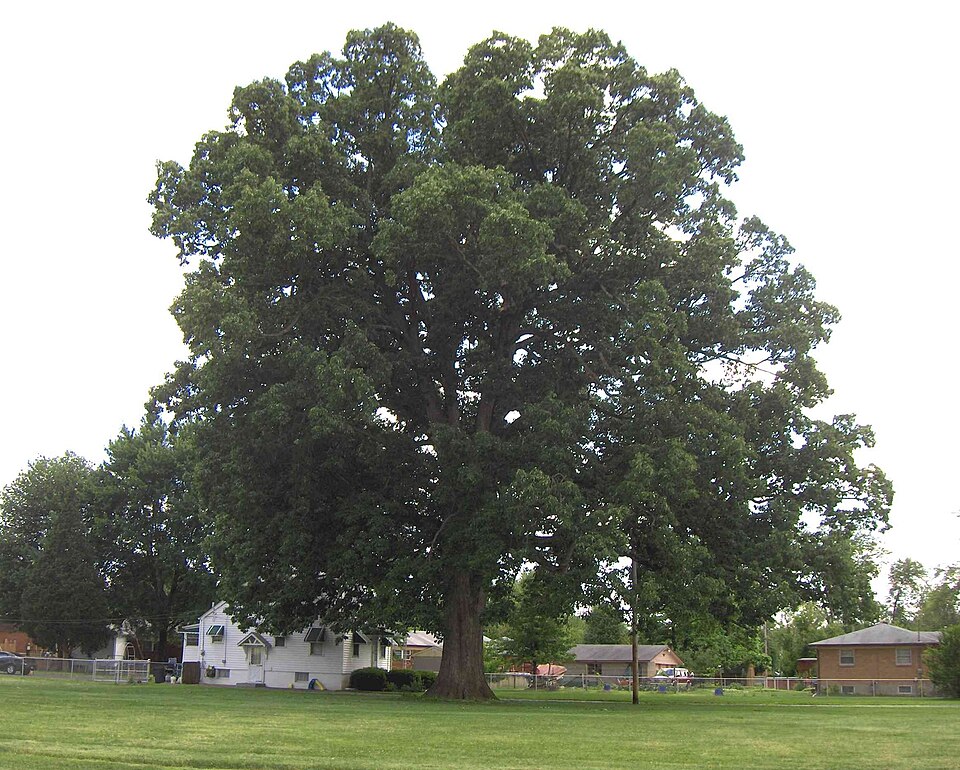
Quercus michauxii, swamp chestnut oak, is a deciduous white-oak-group tree of the southeastern United States, reaching 60-80 feet (18-24 m) tall, sometimes over 100 feet (30 m), with a straight trunk and a compact, rounded crown. The leaves are oval to obovate, 4-9 inches (10-23 cm) long, with shallow, rounded, regular teeth along the margin, dark green above and pale, finely hairy below, turning red to purple-brown in fall. The light gray bark is scaly and flaky. Yellow-green catkins appear in spring with the new leaves, and large acorns 1-1.5 inches (2.5-3.8 cm) long with a thick, knobby cap ripen in a single season. The sweet acorns are eaten by deer, hogs, and other wildlife, giving the tree its other name, basket oak. It is hardy in USDA zones 5-9 and grows on rich, moist bottomland soils that flood seasonally. It grows slowly to moderately and is hard to transplant once established because of its deep root.
Native Range
Quercus michauxii is native to the southeastern and south-central United States, from New Jersey and Delaware south to Florida and west to eastern Texas and the lower Mississippi Valley. It grows in bottomland forests, swamp margins, and moist floodplains, often with other bottomland oaks and hickories.Suggested Uses
Grown as a shade and street tree in large, moist landscapes, parks, and bottomland restoration. The sweet acorns feed deer, turkeys, ducks, and other wildlife, and the strong wood is used for baskets, lumber, and barrels.How to Identify
Appearance
Size & Dimensions
Height60' - 80'
Width/Spread40' - 60'
Bloom Information
Yellow-green male catkins hang from the twigs in March and April as the new leaves emerge. Wind carries the pollen to small female flowers on the same tree. Acorns develop through summer and drop in fall of the same year.
Detailed Descriptions
Foliage Description
dark greenGrowing Conditions
Sun Requirements
Requires 6-10 hours of direct sunlight daily
• Full Sun: 6+ hours of direct sunlight
• Partial Shade: 3-6 hours of direct sunlight
• Full Shade: Less than 3 hours of direct sunlight
Care & Maintenance
Care Guide
Grows in full sun on deep, rich, moist soils, including bottomland and floodplain ground that floods for short periods. It tolerates wet roots better than dry sites and slows in compacted or droughty soil. A soil pH of 5.5-7.0 suits the species. Young trees grow at a moderate rate and develop a deep root early. Established trees handle seasonal flooding and short drought. Heavy clay with poor drainage and long-standing water can still limit growth.Pruning
Dormant-season pruning removes dead, damaged, or crossing limbs and sets a strong central leader on young trees. Pruning in spring during leaf-out can bleed sap and invite oak diseases. Mature trees need little routine pruning.Pruning Schedule
Prune: December–February
winter