Quercus, Genus, marilandica, Species,
- Genus & species
blackjack oak
Overview
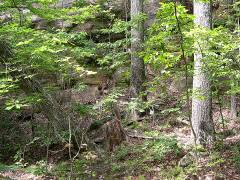
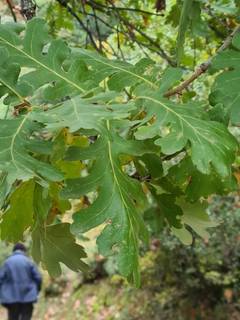
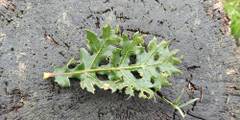
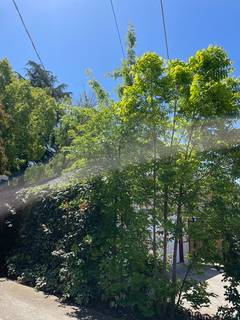
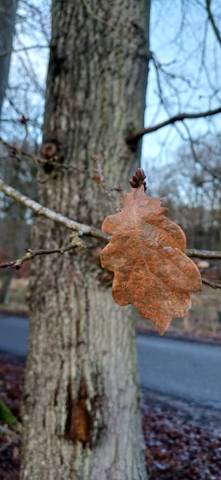
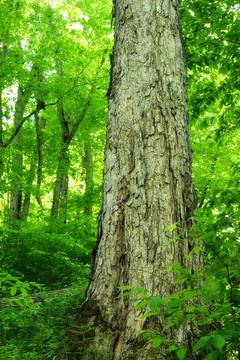
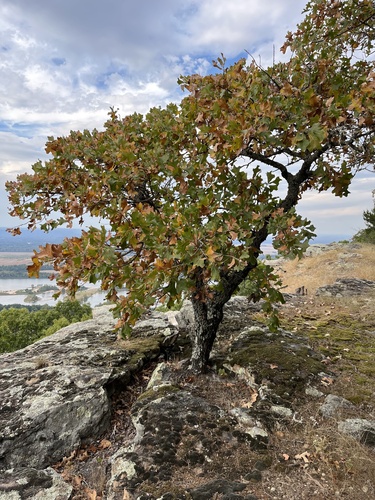
Quercus marilandica is a small to medium deciduous oak of the eastern and central United States, growing 20-40 feet (6-12 m) tall and 20-30 feet (6-9 m) wide with a dense, irregular, rounded crown and stiff, often crooked branches. The leathery leaves differ in shape from most oaks: 3-7 inches (7.5-18 cm) long, broadly wedge-shaped, widest near the tip, and ending in three shallow, bristle-tipped lobes that give a bell or club outline. They are glossy dark green above and rusty-hairy beneath, turning brown to yellow in fall and often clinging into winter. The bark is nearly black and breaks into rough, blocky plates. Greenish catkins appear with the leaves in spring, followed by small acorns 0.5-0.75 inch (13-19 mm) long, half enclosed in a cup, that mature in two years and feed deer, turkeys, and other wildlife. The species grows on dry, poor, sandy or clay soils, rocky ridges, and barrens where larger oaks are uncommon. Growth is slow and the wood is hard and knotty. Limitations include a slow growth rate, a coarse and often misshapen form, and difficulty transplanting because of a deep taproot. The tree withstands heat, drought, and infertile ground that limit many trees.
Native Range
Quercus marilandica is native to the central and eastern United States, from New York and Iowa south to Texas and Florida. It grows on dry ridges, sand barrens, rocky slopes, and poor clay soils, often in oak-hickory woodland and post-oak savanna.Suggested Uses
Grown in native, naturalized, and wildlife plantings on dry, poor soils where few trees succeed. Used for erosion control on sandy or rocky slopes and as an acorn source for wildlife. Suited to low-water and restoration landscapes in its native range.How to Identify
Appearance
Size & Dimensions
Height20' - 40'
Width/Spread20' - 30'
Bloom Information
Greenish catkins appear in spring, generally April into May, as the new leaves expand. Male catkins hang in slender clusters while small female flowers sit in the leaf axils. The flowers are wind-pollinated and lack petals. Acorns develop over two seasons, ripening in the fall of the second year.
Detailed Descriptions
Foliage Description
Glossy dark green, brown-yellow in fallGrowing Conditions
Sun Requirements
Requires 6-12 hours of direct sunlight daily
• Full Sun: 6+ hours of direct sunlight
• Partial Shade: 3-6 hours of direct sunlight
• Full Shade: Less than 3 hours of direct sunlight
Care & Maintenance
Care Guide
Grows in full sun and dry, well-drained sandy, rocky, or clay soil at a pH of 4.5-6.5, tolerating poor, acidic, and infertile ground. Established trees are drought tolerant and need no supplemental water in most climates. Hardy in USDA zones 6-9, the tree withstands heat and cold within that range. A deep taproot makes transplanting difficult, so small container or balled stock establishes more reliably than large trees. Growth is slow, often under 12 inches (30 cm) per year. The tree resists most serious pests, though it can host oak leaf galls and, in some regions, oak wilt.Pruning
Prune in late winter while dormant to remove dead, damaged, or crossing branches. Pruning during the growing season is avoided in oak-wilt regions, where fresh cuts attract the beetles that spread the disease. The naturally crooked form needs little shaping.Pruning Schedule
Prune: February–March
winter