Quercus, Genus, lyrata, Species,
- Genus & species
overcup oak
Overview
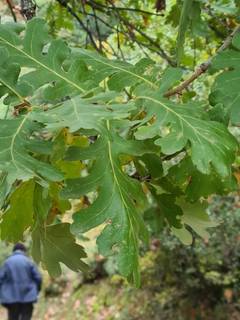
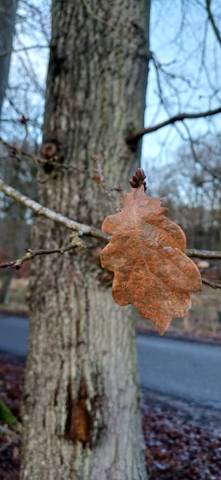
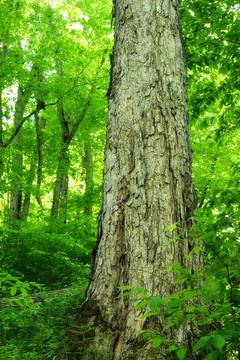
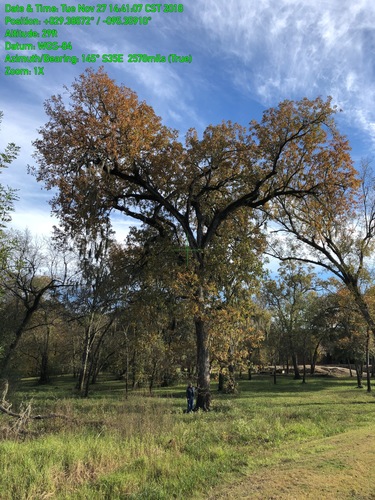
Quercus lyrata is a deciduous tree reaching 40-60 feet (12-18 m) tall and 30-50 feet (9-15 m) wide, occasionally to 100 feet (30 m) in bottomland forests. The crown is rounded to irregular, with lower branches often drooping. Bark is gray-brown, breaking into thin plates and ridges. Leaves are 6-10 inches (15-25 cm) long, lyre-shaped with 5-9 rounded lobes and deep, irregular sinuses, dark green above and pale and lightly hairy beneath, turning yellow-brown to russet in autumn. Acorns are 0.5-1 inch (1.3-2.5 cm) long and almost entirely enclosed by a warty, scaly cap, maturing in a single season. Growth is moderate, about 12-18 inches (30-45 cm) per year. The species withstands seasonal flooding and heavy clay where many oaks fail, but acorns and fallen leaves create litter on paved areas. Iron chlorosis can develop on high-pH soils. Wood is heavy and used for flooring and barrel staves.
Native Range
Native to the southeastern and south-central United States, from Maryland and the Atlantic coastal plain west to eastern Texas and north along the Mississippi Valley to Illinois and Missouri. Grows in floodplains, river bottoms, and poorly drained clay flats that flood for weeks at a time.Suggested Uses
Planted as a shade tree in parks, large landscapes, and rain gardens, spaced 30-40 feet (9-12 m) apart. Tolerance of wet, compacted soils suits it to street plantings and detention basins. The mature size and annual litter limit its use in small residential lots.How to Identify
Appearance
Size & Dimensions
Height40' - 60'
Width/Spread30' - 50'
Bloom Information
Yellow-green catkins appear with the new leaves from March to April. Male catkins hang 3-6 inches (8-15 cm) long; female flowers are small and inconspicuous. Wind pollination occurs over 1-2 weeks, and acorns ripen the same autumn.
Detailed Descriptions
Foliage Description
Dark green, turning yellow-brown to russet in fallGrowing Conditions
Sun Requirements
Requires 6-8 hours of direct sunlight daily
• Full Sun: 6+ hours of direct sunlight
• Partial Shade: 3-6 hours of direct sunlight
• Full Shade: Less than 3 hours of direct sunlight
Care & Maintenance
Care Guide
Plant in full sun in deep, moist to wet soil; the species grows in clay and withstands standing water for several weeks. Water regularly for the first two to three years until the root system establishes. Established trees tolerate both flooding and short droughts. Iron chlorosis, shown as yellowing between leaf veins, develops in alkaline soils above pH 7.5. Few serious pests occur, though oak leaf blister and gall wasps cause cosmetic damage. Annual leaf and acorn drop calls for cleanup near walkways and drives.Pruning
Prune in late winter while dormant to take out dead, damaged, or crossing branches. Train young trees to a single central leader by shortening competing stems. Heavy pruning of mature trees exposes the trunk to sun scald and decay.Pruning Schedule
Prune: February–March
winter