Quercus, Genus, laurifolia, Species,
- Genus & species
swamp laurel oak
Overview
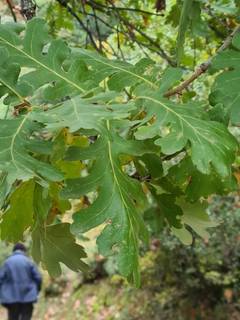
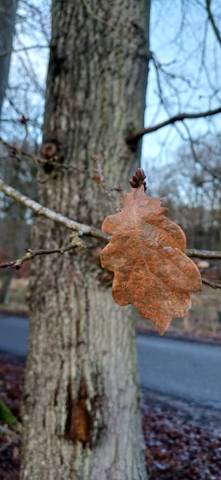
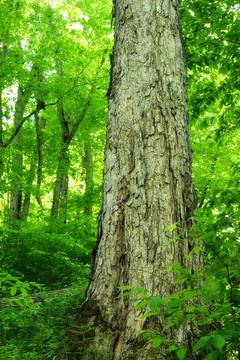
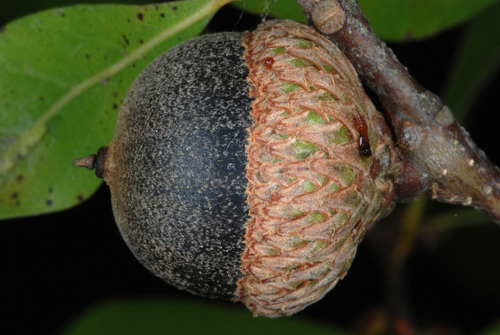
Quercus laurifolia is a fast-growing, semi-evergreen oak reaching 60-100 feet (18-30 m) tall with a dense, rounded to oblong crown spreading 35-45 feet (11-14 m) wide. The straight trunk carries dark brown to gray bark that becomes ridged and furrowed with age. Leaves are narrow and laurel-like, 2-5 inches (5-13 cm) long and 0.5-1.5 inches (1.3-4 cm) wide, mostly untoothed with a smooth wavy margin and a glossy dark green upper surface. In the warm parts of its range the foliage holds late into winter, dropping just before new spring growth, while northern trees lose leaves in autumn. Yellow-green catkins appear in March and April. Acorns are 0.4-0.6 inch (1-1.5 cm) long, dark brown to nearly black, with a shallow saucer-like cap, ripening in the second year. The species grows along streams, floodplains, and moist bottomlands and tolerates seasonal flooding and poor drainage. It is comparatively short-lived for an oak, often declining after 50-70 years, and forms weak branch unions that can split in storms.
Native Range
Quercus laurifolia is native to the southeastern United States coastal plain, from southern Virginia south through Florida and west to eastern Texas. It grows in floodplains, swamp margins, hammocks, and along sandy streambanks, usually below 500 feet (150 m).Suggested Uses
Planted as a fast-growing shade and street tree in the warm Southeast, spaced 35-50 feet (11-15 m) apart. Used along ponds, in rain gardens, and on wet sites where slower oaks fail. The acorns feed deer, turkey, waterfowl, and squirrels.How to Identify
Appearance
Size & Dimensions
Height60' - 100'
Width/Spread35' - 45'
Bloom Information
Yellow-green male catkins and inconspicuous female flowers emerge with the new leaves in March and April. Wind carries the pollen between trees. Pollinated female flowers develop into acorns that mature in the autumn of the following year.
Detailed Descriptions
Foliage Description
Glossy dark green, briefly yellow before dropGrowing Conditions
Sun Requirements
Requires 6-12 hours of direct sunlight daily
• Full Sun: 6+ hours of direct sunlight
• Partial Shade: 3-6 hours of direct sunlight
• Full Shade: Less than 3 hours of direct sunlight
Care & Maintenance
Care Guide
Grow Quercus laurifolia in full sun on moist to wet, acidic soils, where it tolerates periodic flooding and heavy clay. It grows rapidly when young, adding up to 24 inches (60 cm) of height per year, and reaches usable shade size within 15 years. The species accepts a soil pH from 4.5 to 6.5 and declines on dry, alkaline ground. Young trees need regular water until established; mature trees draw on high water tables. Structural pruning in the early years reduces the weak, included branch unions that otherwise lead to storm breakage.Pruning
Prune young trees in late winter to establish a central leader and wide branch angles, reducing later limb failure. Remove dead or crossing branches as they appear. Mature trees tolerate only light pruning, and large cuts decay slowly in this species.Pruning Schedule
Prune: January–February
winter