Quercus, Genus, kelloggii, Species,
- Genus & species
black oak
California, southwestern Oregon, northern Baja California
Overview
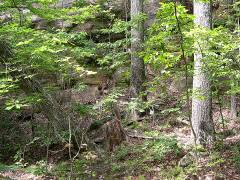
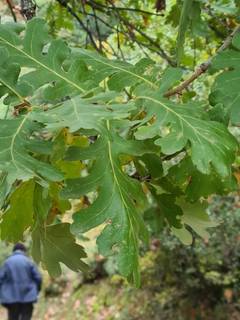
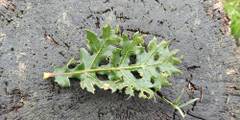
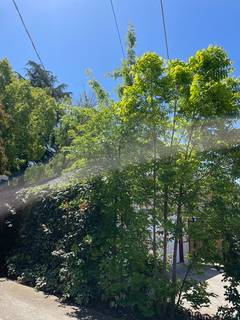
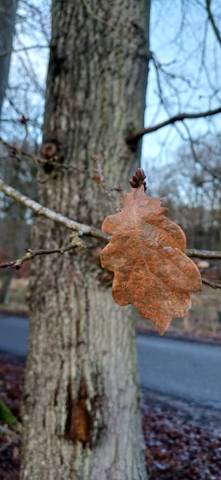
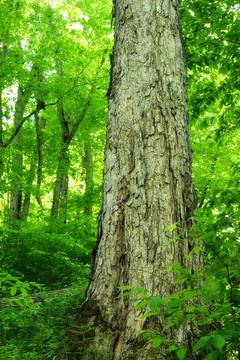
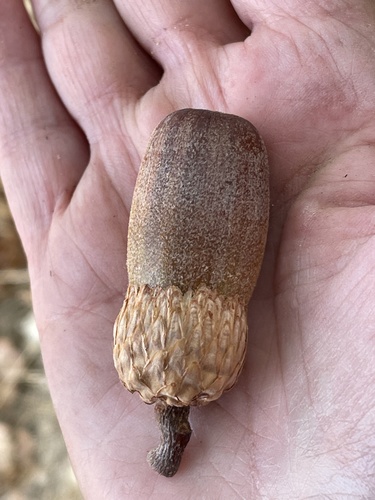
Quercus kelloggii is a deciduous oak reaching 30-80 feet (9-24 m) tall with a broad rounded crown 25-50 feet (7.5-15 m) wide; mature specimens occasionally exceed 100 feet (30 m). Bark dark gray-brown to black, deeply furrowed into thick irregular plates. Leaves alternate, 4-10 inches (10-25 cm) long with 6-9 deeply cut lobes ending in 1-3 bristle tips; new growth red-pink, maturing dark green above and pale yellow-green below. Foliage turns yellow to russet-brown in October-November and persists 2-4 weeks before leaf drop. Monoecious; male catkins yellow-green, 2-4 inches (5-10 cm) long, in May; female flowers minute. Acorns 1-1.5 inches (2.5-4 cm) long, half-enclosed in a deep scaly cup, ripening over 18 months (biennial). Growth rate 12-18 inches (30-45 cm) per year through age 50, slowing thereafter. Lifespan 200-500 years on suitable sites. Susceptible to sudden oak death (Phytophthora ramorum) within its coastal range. Heartwood is prone to rot following fire damage but the species resprouts from the root crown after canopy loss.
Native Range
Native to mountains and foothills of California, southwestern Oregon, and northern Baja California. Found in mixed evergreen forests, oak woodlands, and montane forest with Pinus ponderosa, Pseudotsuga menziesii, and Calocedrus decurrens at 1,000-8,000 feet (300-2,400 m) elevation. Most populations occur on north-facing slopes of the Sierra Nevada, Cascade Range, Klamath Mountains, and California Coast Ranges.Suggested Uses
Used as a shade tree, restoration species, and large-landscape specimen at 30-50 foot (9-15 m) spacing in zones 6-8 California gardens. Wildlife plantings include this species for acorn production; mature trees produce 50-200 pounds (23-90 kg) of acorns annually in mast years. Not commonly planted in turf or irrigated lawn settings due to summer-water sensitivity.How to Identify
Appearance
Size & Dimensions
Height30' - 80'
Width/Spread25' - 50'
Bloom Information
Catkins appear in May at lower elevations, late May through June above 5,000 feet (1,500 m). Total flowering on a single tree extends 2-3 weeks. Acorns require two growing seasons to mature; nuts ripen August through October of the second year and disperse through December.
Detailed Descriptions
Foliage Description
Dark green; new growth red-pinkGrowing Conditions
Sun Requirements
Requires 6-12 hours of direct sunlight daily
• Full Sun: 6+ hours of direct sunlight
• Partial Shade: 3-6 hours of direct sunlight
• Full Shade: Less than 3 hours of direct sunlight
Care & Maintenance
Care Guide
Establishes from acorns sown directly in fall; transplanting bare-root or container trees over 1-gallon size shows poor survival due to taproot disruption. Mature trees require no supplemental irrigation in zones 6-8 once established (typically after 3 growing seasons). Summer watering near the trunk increases the risk of phytophthora root rot. Sudden oak death affects coastal populations from Marin County to Big Sur; symptoms include cankers and rapid foliage decline. Gypsy moth and California oak moth caterpillars may defoliate trees in some years; defoliation rarely kills mature specimens. Heart rot fungi colonize wounded or fire-damaged trunks.Pruning
Remove dead, damaged, and crossing branches in late summer to early fall (August-October) when phytophthora and oak wilt fungi are least active. Dormant-season pruning is generally restricted in coastal areas with sudden oak death pressure to limit pathogen spread. Thinning of co-dominant leaders in young trees over the first 10-20 years establishes a single trunk.Pruning Schedule
Prune: August–October
summerfall
Container Growing
Minimum container size: 25 gallons