Quercus, Genus, ×, Hybrid, jolonensis, Species,
- Genus & species
- Hybrid
Jolon oak
Overview
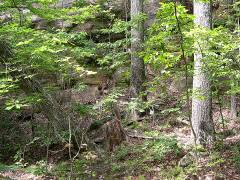
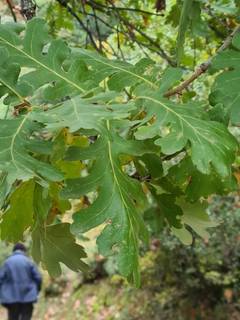
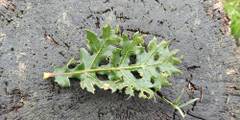
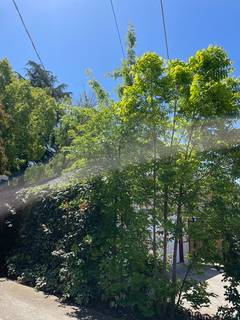
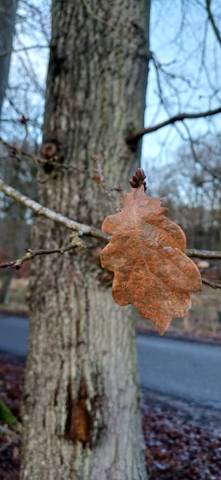
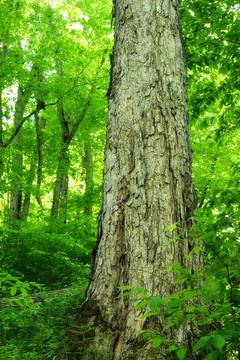
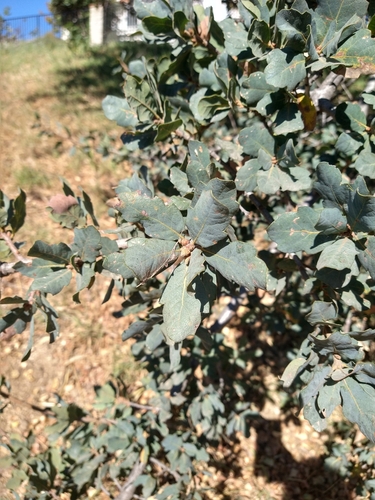
Quercus × jolonensis is a deciduous oak of central and southern California, formed by hybridization between the valley oak Q. lobata and the blue oak Q. douglasii. It grows as a medium to large tree 30–60 feet (9–18 m) tall with a broad, rounded crown and a trunk to 2–3 feet (0.6–0.9 m) in diameter. The leaves are 1.5–3 inches (4–8 cm) long, shallowly to moderately lobed, dull blue-green to gray-green above, intermediate between the deeply lobed valley oak leaf and the shallow-lobed blue oak leaf. The bark is gray and checkered into small plates. Yellow-green catkins appear in March and April with the new leaves, wind-pollinated, and acorns 1–1.5 inches (2.5–4 cm) long with a warty cup mature in a single season. The hybrid grows in oak woodland and savanna on dry foothill slopes and valley floors where its parents meet. It is drought-tolerant once established and deep-rooted, but slow-growing and intolerant of summer irrigation near the trunk, which encourages root rot. Acorns and foliage contain tannins that can harm livestock and dogs if eaten in quantity.
Native Range
Quercus × jolonensis occurs in central and southern California, including the inner Coast Ranges and foothills such as the Jolon area of Monterey County, where valley oak Q. lobata and blue oak Q. douglasii grow together.Suggested Uses
Used as a shade and specimen tree in large rural and oak-woodland landscapes, spaced 30–40 feet (9–12 m) apart, and in habitat and restoration plantings where acorns feed wildlife. Its size and slow growth make it suited to open ground rather than small yards. Deep roots and drought tolerance fit unirrigated, water-conserving sites.How to Identify
Appearance
Size & Dimensions
Height30' - 60'
Width/Spread30' - 50'
Bloom Information
Yellow-green catkins emerge with the new leaves in March and April. The flowers are wind-pollinated and inconspicuous. Acorns develop over summer and drop in autumn of the same year, with crops varying from year to year.
Detailed Descriptions
Foliage Description
blue-green to gray-greenGrowing Conditions
Sun Requirements
Requires 6-12 hours of direct sunlight daily
• Full Sun: 6+ hours of direct sunlight
• Partial Shade: 3-6 hours of direct sunlight
• Full Shade: Less than 3 hours of direct sunlight
Care & Maintenance
Care Guide
Growth is strongest in full sun on deep, well-drained loams and on dry foothill slopes. Water during the first few years supports a deep root system, after which the tree relies on winter rainfall and tolerates summer drought. Frequent summer irrigation within the root zone promotes oak root fungus and crown rot. Soil pH from 6.0 to 7.5 suits it, and fertilizer is rarely needed on native soils. Hardiness extends to about USDA zone 7 in its mild-winter range. Sudden oak death and gall wasps occur in California oaks but vary in local impact.Pruning
Pruning is limited to removing dead, broken, or crossing branches in late fall or winter while the tree is dormant. Structural shaping of young trees establishes a strong central trunk and well-spaced scaffold limbs. Large pruning cuts on mature wood heal slowly and are kept to a minimum.Pruning Schedule
Prune: December–January
winter