Quercus, Genus, ilicifolia, Species,
- Genus & species
bear oak
Overview
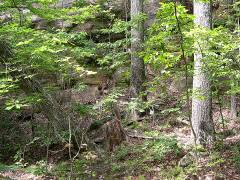
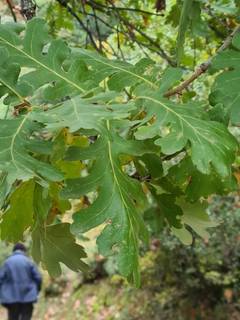
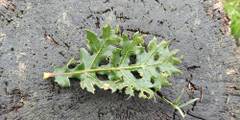
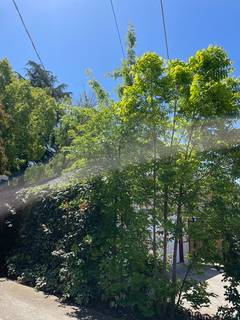
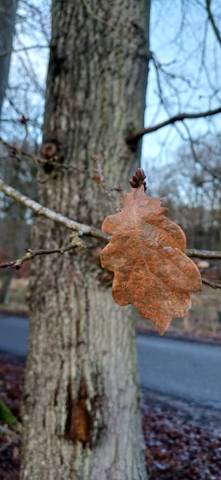
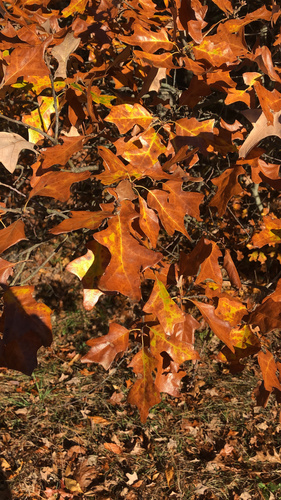
Quercus ilicifolia is a deciduous shrub or small tree of the beech family native to dry, sandy, and rocky uplands of the northeastern United States. It usually grows 3-10 feet (0.9-3 m) tall, occasionally to 20 feet (6 m), forming dense, spreading thickets from a branching root system and root sprouts. The alternate leaves are 1.5-5 inches (4-13 cm) long, leathery, with 3-7 shallow, bristle-tipped lobes, glossy dark green above and white-hairy beneath, turning yellow to red-brown in autumn. As a member of the red oak group, it bears small acorns 0.4-0.6 inch (10-15 mm) long with a saucer-shaped cap that take two years to ripen. The acorns are bitter and high in tannin, and mature in heavy crops that feed deer, bear, turkey, and small mammals. It tolerates drought, fire, and infertile acidic soils, resprouting strongly after burning or cutting. The thicket-forming, sprawling habit and suckering roots spread it well beyond a single crown, which limits its use in small or formal plantings. In cultivation it is used for erosion control on dry banks, wildlife plantings, and naturalizing poor sandy or rocky ground where few other woody plants persist.
Native Range
Native to the northeastern United States, from Maine and southern Ontario south through the Appalachians to North Carolina and west to Ohio. It grows on dry sandy plains, rocky ridges, barrens, and burned-over land.Suggested Uses
Used for erosion control on dry sandy or rocky banks, in wildlife and habitat plantings, and for naturalizing barrens and poor upland soils. It also serves as cover and a mast source in restoration of fire-adapted habitats.How to Identify
Appearance
Size & Dimensions
Height3' - 10'
Width/Spread6' - 12'
Bloom Information
Yellow-green catkins appear in spring, April to May, as the leaves expand. Male catkins hang in slender clusters and shed wind-borne pollen. The flowers are inconspicuous and not grown for display.
Detailed Descriptions
Foliage Description
dark greenGrowing Conditions
Sun Requirements
Requires 6-12 hours of direct sunlight daily
• Full Sun: 6+ hours of direct sunlight
• Partial Shade: 3-6 hours of direct sunlight
• Full Shade: Less than 3 hours of direct sunlight
Care & Maintenance
Care Guide
Grow in full sun in dry, sandy, gravelly, or rocky acidic soil with sharp drainage. The species tolerates drought, poor infertile ground, salt, and exposure, and resprouts after fire or cutting. It needs little water once established and no fertilizer. The suckering roots form spreading thickets that can be cut back to control width. It transplants poorly because of a coarse root system, so it is usually started from acorns. Hardy in USDA zones 4-8.Pruning
Prune in late winter while dormant to remove dead wood or limit thicket spread. Root suckers can be cut to the ground to keep the colony in bounds. Cutting stems near the base produces strong regrowth.Pruning Schedule
Prune: February–March
winterearly spring