Quercus, Genus, hemisphaerica, Species,
- Genus & species
Darlington oak
Southeastern United States coastal plain
Overview
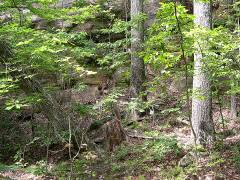
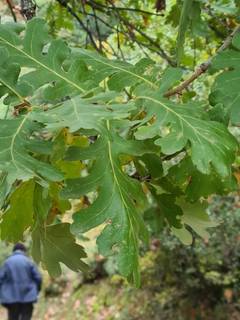
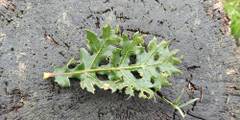
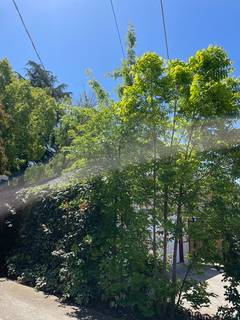
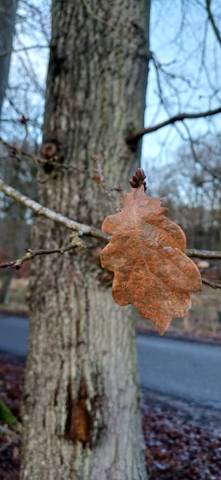
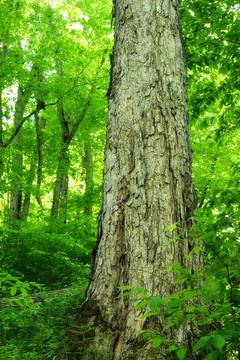
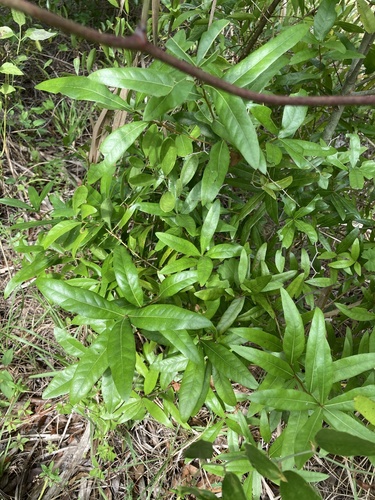
Quercus hemisphaerica is a semi-evergreen oak in the beech family, growing 40–80 feet (12–24 m) tall with a straight trunk and a rounded to oval crown. The narrow, leathery leaves are 1.5–4 inches (4–10 cm) long, mostly smooth-edged but sometimes bristle-tipped or shallowly lobed on young growth, glossy dark green above and paler beneath. Most leaves persist through winter and drop in early spring as new growth emerges, so the tree is rarely bare. It is wind-pollinated, with drooping yellow-green male catkins 2–3 inches (5–8 cm) long appearing in spring. The acorns are small, 0.4–0.6 inch (10–15 mm) long, rounded with a shallow cap, maturing in the second year. It grows on dry, sandy uplands, ridges, and well-drained woodlands of the southeastern United States coastal plain. The tree grows quickly but is shorter-lived and weaker-wooded than live oak, and is prone to limb breakage with age. Acorns and foliage contain tannins that are toxic to livestock and pets if eaten in quantity.
Native Range
Quercus hemisphaerica is native to the southeastern United States coastal plain, from Virginia south through Florida and west to eastern Texas, on sandy upland soils.Suggested Uses
It is used as a fast-growing shade and street tree, in large lawns, and in naturalized woodland plantings on sandy soil. It grows where quick canopy is wanted and ample space allows for its mature size.How to Identify
Appearance
Size & Dimensions
Height40' - 80'
Width/Spread30' - 50'
Bloom Information
Yellow-green male catkins hang from the twigs in spring, generally March to April, shedding wind-borne pollen. The tree bears no true petalled flowers. Acorns develop over two seasons and drop in autumn of the second year.
Detailed Descriptions
Foliage Description
glossy dark greenGrowing Conditions
Sun Requirements
Requires 6-12 hours of direct sunlight daily
• Full Sun: 6+ hours of direct sunlight
• Partial Shade: 3-6 hours of direct sunlight
• Full Shade: Less than 3 hours of direct sunlight
Care & Maintenance
Care Guide
Quercus hemisphaerica grows in full sun on dry, well-drained sandy or loamy soils and tolerates poor, droughty upland sites. Once established it withstands heat and drought and needs no irrigation. It grows rapidly when young, which produces relatively weak wood, so it is given room away from structures. It does not tolerate compacted or constantly wet soils. Old trees can shed large limbs, and the acorns and tannin-rich leaves are toxic to livestock and pets in quantity.Pruning
Pruning is done in late winter while dormant to remove dead, crossing, or weak branches and to build sound structure in young trees. Early structural pruning reduces later limb failure. Large pruning wounds are made outside the warm months when oak diseases spread.Pruning Schedule
Prune: January–February
winter