Quercus, Genus, chrysolepis, Species,
- Genus & species
canyon live oak
Western North America (southwestern Oregon, California, Baja California, Arizona, western New Mexico)
Overview
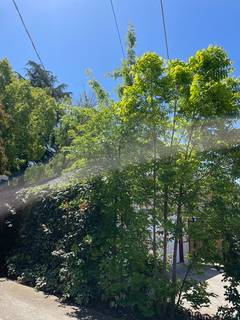
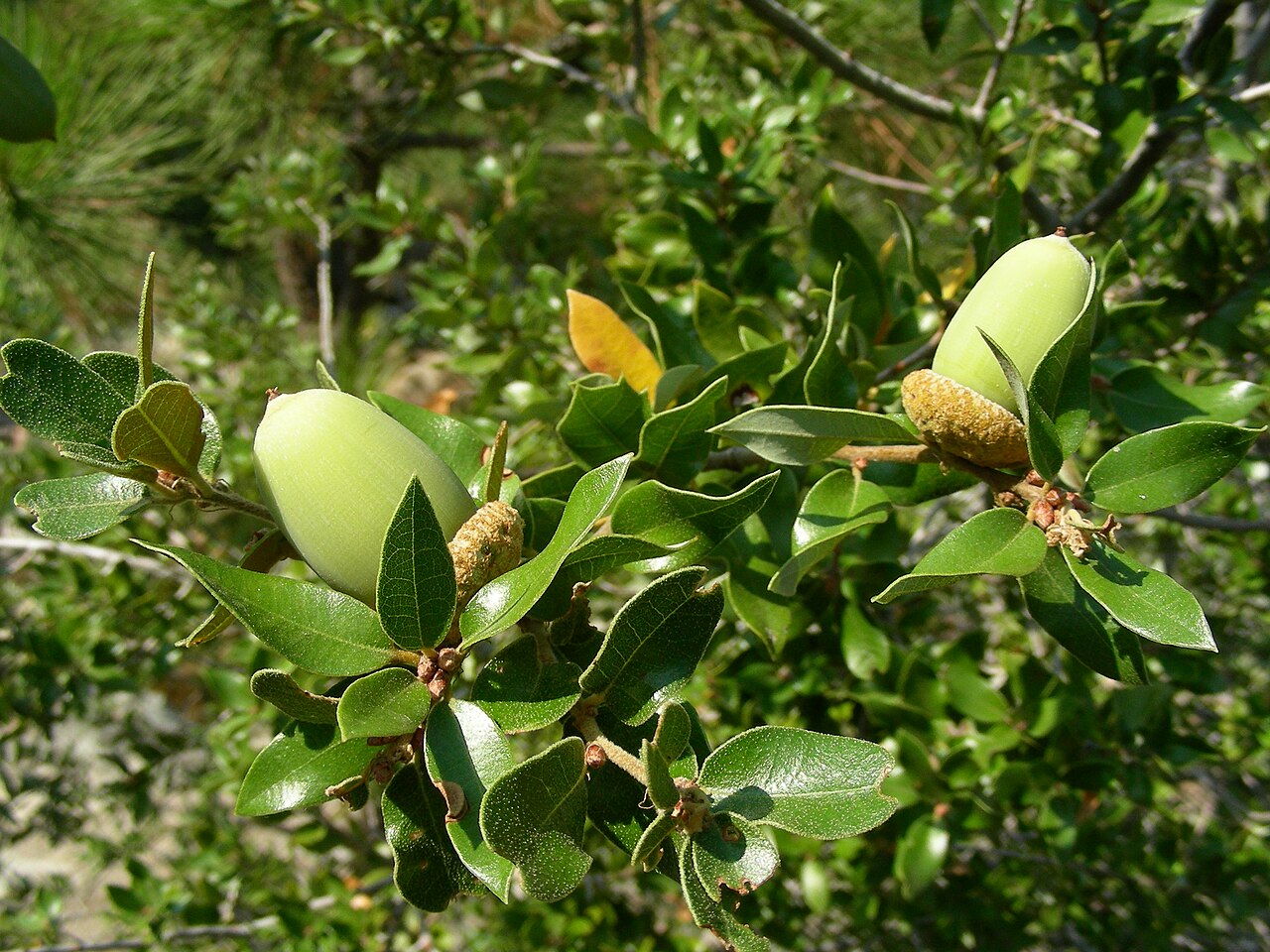
Quercus chrysolepis is an evergreen tree reaching 20–60 feet (6–18 m) tall and 30–60 feet (9–18 m) wide, with a broad rounded to spreading crown that is frequently wider than tall on mature specimens in open positions, carried on massive horizontal scaffold branches that extend nearly parallel to the ground. The specific epithet 'chrysolepis' translates as 'golden scale,' referring to the golden-yellow to tawny pubescence that coats the underside of young leaves. The species is native across much of western North America — from southwestern Oregon through California to Baja California and east into Arizona and New Mexico — occurring in canyons, rocky slopes, and mixed forests from sea level to 9,000 feet (2,700 m) in elevation, giving it one of the broadest elevation ranges of any North American oak. Leaves are simple, alternate, elliptic to ovate, 1–3 inches (2.5–8 cm) long, leathery, dark green above, with the juvenile form carrying holly-like spiny margins and the adult form carrying entire smooth margins — both forms frequently occur on a single mature tree, with spiny juvenile leaves on sucker growth and lower branches and smooth adult leaves on upper canopy branches. New leaf undersides are coated in golden-yellow to tawny pubescence that ages to grayish-white over the first year. Acorns are 0.8–2 inches (2–5 cm) long, enclosed one-third to one-half in a thick woody cup covered with warty projections and dense golden-brown felt, maturing over 1 growing season (placing this evergreen species in the white oak group despite its evergreen foliage). Growth rate is slow to moderate at 6–18 inches (15–45 cm) per year after establishment, reaching full mature size in 50 years. Lifespan commonly exceeds 300 years, with documented specimens surpassing 500 years of age. Hardy to USDA zone 7. Leaves and acorns contain tannins that are harmful if eaten in quantity, especially to horses and grazing livestock; the risk to people is generally low.
Native Range
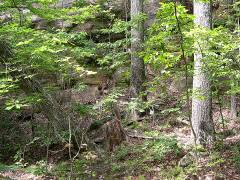
Quercus chrysolepis is native to western North America — southwestern Oregon, California (across the Coast Ranges, Sierra Nevada, and Transverse Ranges), Baja California, Arizona, and western New Mexico — occurring in canyons, rocky slopes, and mixed forests from sea level to 9,000 feet (2,700 m) in elevation.Suggested Uses
Used as a specimen shade tree, large-landscape focal tree, restoration planting in its native range, or drought-tolerant parkway tree in western landscapes at 30–40 foot (9–12 m) spacing. The broad spreading crown produces substantial shade coverage under the canopy — a mature open-grown specimen casts shade over 2,000–3,000 square feet (185–280 square meters), serving as a patio shade tree, picnic-area shelter, or parking-lot overstory in large landscapes. The 300-plus-year lifespan makes the tree a multi-generational landscape investment rather than a short-term planting; specimens planted today will shade grandchildren. The plant does not grow well in small residential gardens (mature 30–60 foot spread exceeds typical lot dimensions), wet soils, sites with summer trunk irrigation, or climates below USDA zone 7.How to Identify
Appearance
Size & Dimensions
Height20' - 60'
Width/Spread30' - 60'
Bloom Information
Inconspicuous green catkins appear on new growth in April–May over a 2 week window. Acorns develop from pollinated flowers through a single growing season, maturing in thick warty golden-felted cups in October–November of the same year. Mast years occur irregularly at intervals of 3–7 years, producing heavy acorn crops followed by several years of sparse or absent acorn production. Heavy acorn years historically supported indigenous populations of the western United States as a food staple and continue to support black bear, deer, woodpecker, and small-mammal populations in the native range.
Detailed Descriptions
Foliage Description
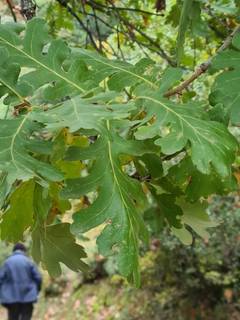
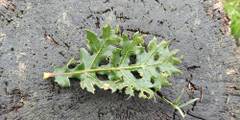
Dark green above with golden-yellow to tawny pubescence on new undersides aging to grayish-white; leathery; simple, alternate, elliptic to ovate, 1-3 inches long; juvenile leaves on sucker growth carry holly-like spiny margins while adult leaves on upper branches carry entire smooth marginsGrowing Conditions
Sun Requirements
Requires 6-12 hours of direct sunlight daily
• Full Sun: 6+ hours of direct sunlight
• Partial Shade: 3-6 hours of direct sunlight
• Full Shade: Less than 3 hours of direct sunlight
Care & Maintenance
Care Guide
Grow in full sun with 6 or more hours of direct light in well-drained rocky, sandy, or loamy soil at pH 5.5–7.5. The species is drought-tolerant once established — its native range covers dry summer Mediterranean-climate slopes where rainfall between May and October drops below 2 inches (50 mm) in typical years, so the plant is adapted to extended summer drought that kills moisture-loving tree species. Tolerates rocky and poor soils including shallow substrates over bedrock. Water deeply once per month through the first two growing seasons to establish, then rely on natural rainfall — summer irrigation around the trunk on established trees encourages the root and crown rots (principally Armillaria mellea and Phytophthora species) that cause oak decline in irrigated California landscapes, so maintaining a dry root crown is a specific cultural requirement of the species. Slow establishment with minimal top growth for the first 3–5 years after planting accelerates to 12–18 inches (30–45 cm) per year once the root system develops. Hardy to USDA zone 7.Pruning
Prune in late winter (January–February) during the first 10–15 years to establish a central leader or multi-stem framework and remove crossing branches. Mature trees need minimal corrective pruning. Raise the lower canopy to 7–8 feet (2.1–2.4 m) of clear trunk for walking clearance beneath mature specimens. Avoid heavy pruning cuts in summer or autumn — oak wilt (Bretziella fagacearum) and other fungal pathogens spread through cut surfaces during warm weather, and winter cutting reduces infection risk.Pruning Schedule
Prune: January–February
winter