Quercus, Genus, buckleyi, Species,
- Genus & species
Buckley's oak
Overview
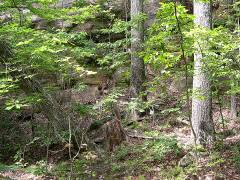
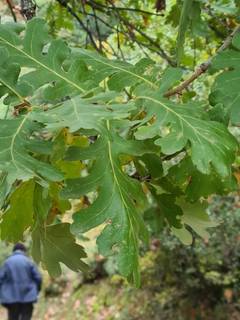
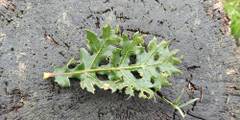
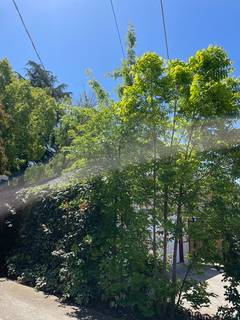
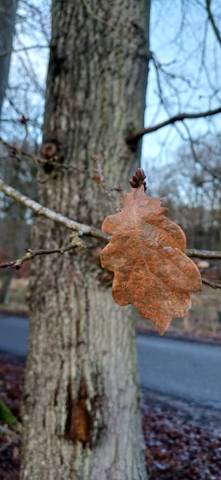
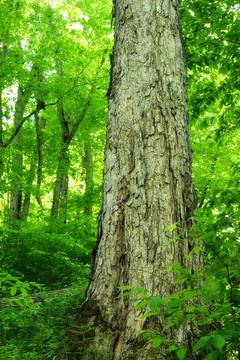
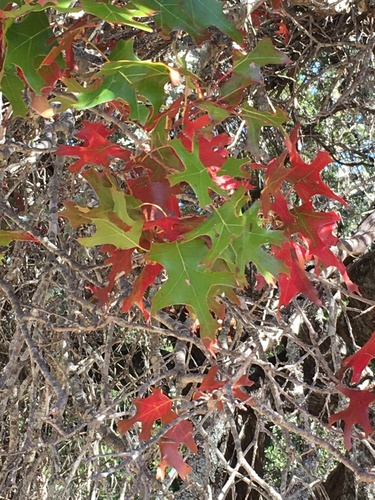
Quercus buckleyi is a deciduous oak of the red oak group, reaching 20-50 ft (6-15 m) tall, occasionally 75 ft (23 m), with a rounded to spreading crown. The bark is gray and smooth on young trunks, breaking into dark furrows with age. Leaves are 2-4 in (5-10 cm) long, deeply cut into five to nine lobes tipped with slender bristles, glossy dark green above, and turn red to red-orange in autumn. It is wind-pollinated; yellow-green catkins shed pollen in spring as the leaves unfold. Acorns 0.5-0.7 in (12-18 mm) long sit in a shallow cap covering a third to half of the nut and ripen in the second year. The tree grows on dry limestone hills, canyons, and slopes of central and north Texas, deep-rooted and able to withstand drought. It is slower-growing and longer-lived than the similar Shumard oak, with which its range overlaps. Acorns and foliage contain tannins that are toxic to horses and cattle if eaten in quantity. On poorly drained or alkaline-wet sites it can develop iron chlorosis and decline.
Native Range
Native to Texas and Oklahoma, centered on the Edwards Plateau and the limestone hills of central and north-central Texas. It grows on dry, rocky limestone slopes, canyons, and uplands.Suggested Uses
Used as a shade and street tree in dry-climate and limestone-soil landscapes, spaced 25-40 ft (7.5-12 m) from structures. Planted for red fall color and as a drought-tolerant native canopy tree.How to Identify
Appearance
Size & Dimensions
Height20' - 50'
Width/Spread20' - 40'
Bloom Information
As a wind-pollinated oak, it bears no petaled flowers. Yellow-green male catkins release pollen in spring, March to April, as the leaves emerge. Acorns develop over two seasons and ripen the following fall.
Detailed Descriptions
Foliage Description
glossy dark greenGrowing Conditions
Sun Requirements
Requires 6-12 hours of direct sunlight daily
• Full Sun: 6+ hours of direct sunlight
• Partial Shade: 3-6 hours of direct sunlight
• Full Shade: Less than 3 hours of direct sunlight
Care & Maintenance
Care Guide
Grows in full sun on dry, well-drained limestone, rocky, or sandy soil with a pH from about 6.5 to 8.0. Once established the deep roots carry it through extended drought, and it needs no routine watering. Hardy to USDA zone 6, roughly -10 F (-23 C). It grows at a slow to moderate rate and can live well over a century. Good drainage matters, as wet feet and compacted soil lead to root problems. Oak wilt can affect it, and pruning during the spring infection season raises the risk of spread.Pruning
Pruning is done in winter to remove dead, crossing, or damaged limbs. Cuts during the spring oak-wilt season raise the risk of infection, so trimming is kept to the dormant months. Young trees are shaped to a single central leader.Pruning Schedule
Prune: December–February
winter