Puschkinia, Genus, spp., Multiple species,
- Genus
- Multiple species
striped squill
Overview
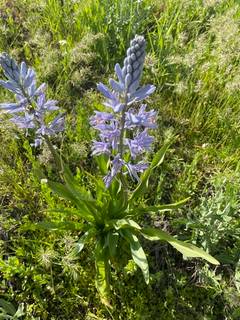
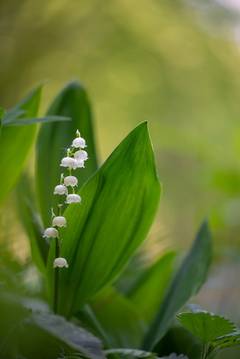
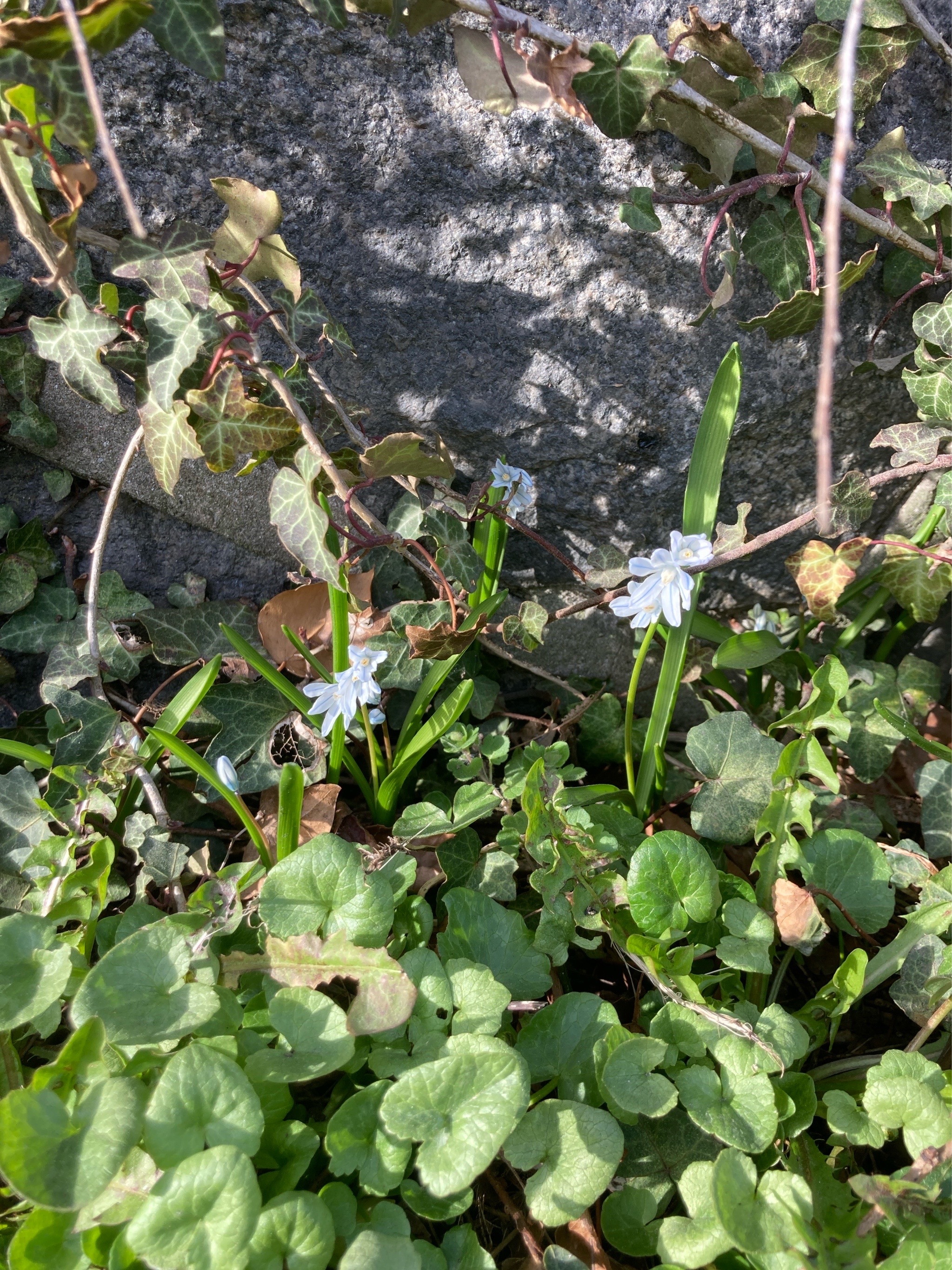
Puschkinia is a small genus of spring-flowering bulbs in the asparagus family (Asparagaceae), with one or two species native to the Caucasus and the Middle East. Plants reach 4-8 inches (10-20 cm) tall and spread to 2-3 inches (5-7 cm), growing from a small egg-shaped bulb. Each bulb sends up two strap-shaped basal leaves 3-6 inches (8-15 cm) long, deep green and channeled, appearing with the flowers. The flower stem carries a short raceme of 6-12 bell- to star-shaped flowers, each about 0.5-0.75 inch (1.5-2 cm) across, pale blue to almost white with a darker blue stripe down the center of each segment. A white-flowered form also occurs. Bloom comes in early to mid-spring, soon after snowmelt, and lasts about 2-3 weeks. The foliage yellows and dies back by early summer as the bulb returns to dormancy. Plants naturalize by offsets and self-sown seed where conditions suit, forming spreading drifts over several years, though the small flowers are easily lost among larger neighbors and the brief above-ground season leaves bare ground for much of the year.
Native Range
Native to the Caucasus region, eastern Turkey, northern Iran, Iraq, and Lebanon. It grows on alpine and subalpine meadows, rocky slopes, and damp ground near melting snow, often at 5,000-10,000 feet (1,500-3,000 m).Suggested Uses
Planted in rock gardens, gravel gardens, the front of borders, and beneath deciduous shrubs, spaced 3 inches (7-8 cm) apart in groups. It naturalizes in short grass and woodland edges where summer soil stays dry. The small early flowers combine with other spring bulbs such as Crocus and Scilla and grow well in shallow containers and troughs.How to Identify
Appearance
Size & Dimensions
Height4" - 8"
Width/Spread2" - 3"
Bloom Information
Flowers open in early to mid-spring, roughly March to April, soon after the soil thaws, and last about 2-3 weeks. Bloom is earlier in mild gardens and later in cold or high-altitude sites. The flowers open with or just before the leaves and close partly in dull weather.
Detailed Descriptions
Flower Description
pale blue with darker blue stripe, or whiteFoliage Description
deep greenGrowing Conditions
Sun Requirements
Requires 4-8 hours of direct sunlight daily
• Full Sun: 6+ hours of direct sunlight
• Partial Shade: 3-6 hours of direct sunlight
• Full Shade: Less than 3 hours of direct sunlight
Care & Maintenance
Care Guide
Grows in full sun to light shade in any well-drained soil of moderate fertility, with a pH from 6.0 to 7.5; it withstands cold and spring moisture but rots in ground that stays wet through summer. Bulbs are planted 3 inches (7-8 cm) deep and 3 inches (7-8 cm) apart in autumn. Watering is seldom needed, as growth coincides with natural spring rainfall and the bulb is dormant through dry summers. Leaves are left to yellow and die back on their own to feed the bulb for the following year. Clumps can be lifted and divided after the foliage fades if they become crowded. Few pests trouble the plant, though bulbs are sometimes eaten by rodents.Pruning
No pruning is needed. Spent flower stems can be removed after bloom to limit self-seeding, or left to scatter seed for naturalizing. The leaves are allowed to die back fully before removal so the bulb can rebuild its reserves.Pruning Schedule
Prune: May–June
late spring
Container Growing
Suitable for container growing
Minimum container size: 1 gallons