Image 1 of 11
1 / 11
Plant Reference
Camassia, Genus, quamash, Species,
- Genus & species
common camas
Western North America — from British Columbia to California, east to Montana and Wyoming; moist meadows, prairies, and vernal pools that flood in spring and dry out by summer
Overview
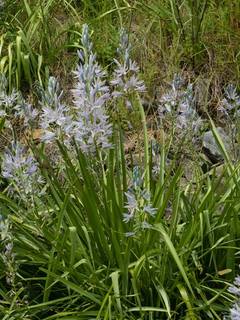
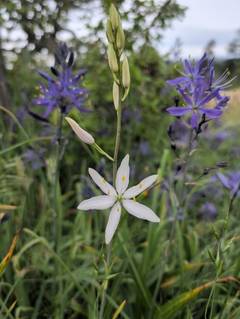
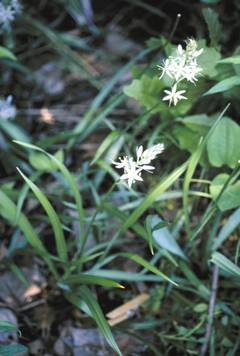
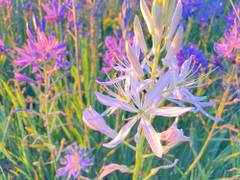
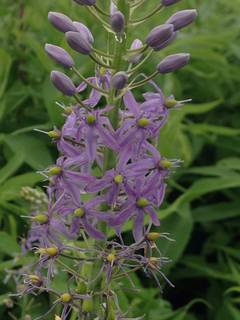
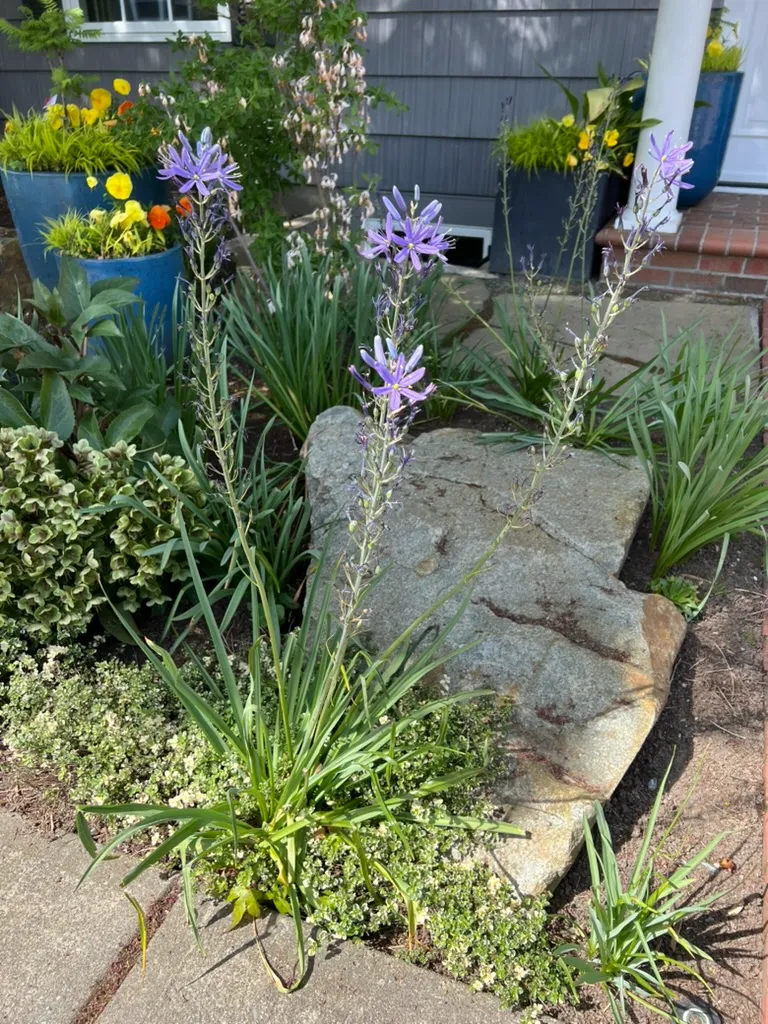
Camassia quamash is common camas (small camas), a bulbous perennial growing 18-30 inches (45-75 cm) tall and 6-12 inches (15-30 cm) wide. Blue to blue-violet star-shaped flowers with 6 spreading tepals 1-1.5 inches (2.5-4 cm) in dense upright racemes 8-12 inches (20-30 cm) in April-May (4 weeks). Mid-green linear grass-like leaves 8-20 inches (20-50 cm). Foliage dies back by midsummer. In Asparagaceae. Native to western North America — British Columbia to California in moist meadows and vernal pools that flood in spring and dry by summer. The bulbs were a critical food source for Indigenous peoples of the Pacific Northwest (quamash = Nez Perce name). Grows in the same wet meadows as death camas (Anticlea elegans — cream-white flowers), whose bulbs are toxic and indistinguishable from camas bulbs when not in bloom. Tolerates wet winter soil and seasonal flooding. Drought-tolerant once dormant in summer. Plant bulbs 4-6 inches (10-15 cm) deep in fall in moist sites. Naturalizes in lawns and wet meadows. Deer browse. Non-toxic. Zones 3-8. Full sun to partial shade. Growth rate is moderate.
Native Range
Native to western North America — from British Columbia to California, east to Montana and Wyoming. Found in moist meadows, prairies, and vernal pools that flood in spring and dry out by summer.Suggested Uses
Grown in moist meadow gardens, rain gardens, wet borders, naturalized lawns, and in containers of at least 3 gallons (11 L), spaced 6-12 inches (15-30 cm). Tolerates seasonal flooding. Naturalizes. Native to western North America. Non-toxic. Zones 3-8.How to Identify
Appearance
Size & Dimensions
Height1'6" - 2'6"
Width/Spread6" - 1'
Bloom Information
Mid to late spring (April-May). Blue to blue-violet star-shaped flowers 1-1.5 inches (2.5-4 cm) with 6 tepals in dense upright racemes 8-12 inches (20-30 cm). 4 weeks. Bee- and butterfly-visited. Foliage dies back by midsummer.
Detailed Descriptions
Flower Description
Blue to blue-violet, star-shaped with 6 spreading tepals, 1-1.5 inches (2.5-4 cm), in dense upright racemes 8-12 inches (20-30 cm) above the foliageFoliage Description
Mid-green, linear, grass-like, 8-20 inches (20-50 cm) long; foliage dies back by midsummerGrowing Conditions
Sun Requirements
Requires 4-10 hours of direct sunlight daily
• Full Sun: 6+ hours of direct sunlight
• Partial Shade: 3-6 hours of direct sunlight
• Full Shade: Less than 3 hours of direct sunlight
Care & Maintenance
Care Guide
Full sun to partial shade (4-10 hours). Moist soil pH 5.5-7.0 — tolerates seasonal flooding. Drought-tolerant once dormant in summer. Plant bulbs 4-6 inches (10-15 cm) deep in fall. Allow foliage to die back naturally. Naturalizes. Do not confuse with toxic death camas (Anticlea elegans) — harvest only when in bloom. Deer browse. Non-toxic. Zones 3-8.Pruning
No pruning needed. Allow foliage and seed stalks to die back naturally by midsummer. Do not cut green foliage.Container Growing
Suitable for container growing
Minimum container size: 3 gallons