Hyacinthus, Genus, orientalis, Species,
- Genus & species
hyacinth
Eastern Mediterranean and western Asia across Turkey, Syria, Lebanon, and Iran; rocky slopes and open woodlands at middle elevations
Overview
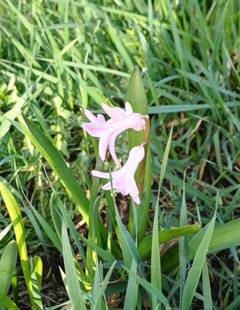
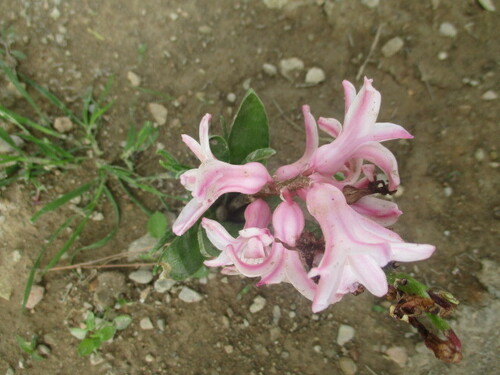
Hyacinthus orientalis is a bulbous perennial in the family Asparagaceae growing 6–12 inches (15–30 cm) tall in bloom and 3–4 inches (7–10 cm) wide from a large fleshy bulb 1.5–2.5 inches (4–6 cm) across. Each bulb produces 4–6 broad fleshy channeled glossy mid-green strap-shaped leaves 6–10 inches (15–25 cm) long that emerge at the same time as the single flower spike in early spring. Waxy tubular 6-lobed florets 0.5 inch (1.3 cm) across open packed densely in a cylindrical spike 4–8 inches (10–20 cm) long in March and April across a 3-week bloom period, in a range of cultivar colors including deep blue-violet, purple, pink, white, yellow, apricot, and orange. The flowers carry the strong sweet heavy penetrating fragrance that is the reference point for the hyacinth fragrance category in perfumery. Commercially prepared bulbs are grown in the Netherlands and shipped to temperate gardens around the world for fall planting, and the first-spring bloom from prepared bulbs produces the densest and largest flower spike because the bulbs have been held at specific temperatures during summer storage to maximize flower development before sale. Limitation: the flower spike loosens and the overall spike size shrinks in subsequent years of cultivation as the bulb returns to its natural rhythm of alternating heavy and light bloom years — the second-year spike is typically half the size of the first-year spike, and by the third year the spike is a loose open arrangement of scattered florets rather than the densely packed cylinder of the commercial first-year display. This perennialization decline is the main long-term cultural consideration for garden use of the species, and many gardeners treat the bulbs as annuals and replant fresh prepared bulbs each fall to maintain the dense first-year display. The bulbs contain calcium oxalate raphide crystals that cause contact dermatitis (hyacinth itch) in sensitive individuals who handle the papery bulb tunics during fall planting, and leather or rubber gloves are warranted during bulb handling for susceptible people. All parts of the plant contain oxalic acid and toxic alkaloids and are toxic to cats, dogs, and humans if ingested, and deer browse the flower spikes heavily in unprotected garden positions.
Native Range
Native to the eastern Mediterranean and western Asia across Turkey, Syria, Lebanon, and Iran, growing on rocky slopes and in open woodlands at middle elevations on well-drained substrates. The species was introduced to western European horticulture through Ottoman trade routes in the 16th century and became the subject of intensive Dutch bulb breeding during the 17th and 18th centuries, producing the commercial cultivars in cultivation today. The Netherlands is the main source of commercially prepared bulbs for fall planting in temperate gardens around the world.Suggested Uses
Used in spring bulb borders, formal bedding schemes, cottage gardens, forced indoor bloom in glass forcing vases or pebble trays during winter, and containers of at least 2 gallons (7.5 L) at 3–4 inch (7–10 cm) spacing between bulbs. The strong fragrance and the dense cylindrical flower spike carry the species into the category of fragrance-garden specimens near entries, patios, and seating areas where the scent can be enjoyed at close range during the March-and-April bloom period. Naturalized woodland positions and low-maintenance rock garden plantings are also suitable for long-term perennialization at reduced bloom size. Gardens where pet or child access to the bulbs is a concern are unsuitable because of the oxalic acid toxicity, and positions with heavy deer browse pressure are unsuitable without physical protection because deer browse the flower spikes heavily before bloom completes.How to Identify
Appearance
Size & Dimensions
Height6" - 1'
Width/Spread3" - 4"
Bloom Information
Waxy tubular 6-lobed florets 0.5 inch (1.3 cm) across open packed densely in a cylindrical spike 4–8 inches (10–20 cm) long in March and April across a 3-week bloom period. The flowers carry a strong sweet heavy penetrating fragrance that is the reference point for the hyacinth fragrance category, and the scent carries 20–30 feet (6–9 m) from the plant on still warm days. Honeybees and early-emerging bumblebees work the flowers for nectar. The first-year spike from commercially prepared bulbs is the densest and largest, and subsequent years produce progressively looser and smaller spikes as the bulb returns to its natural bloom rhythm.
Detailed Descriptions
Flower Description
deep blue-violet, purple, pink, white, yellow, apricot, or orange depending on cultivar; waxy tubular 6-lobed florets 0.5 inch (1.3 cm) across packed densely in a cylindrical spike 4-8 inches (10-20 cm) long; strongly fragrant with the sweet heavy penetrating scent that is the reference point for the hyacinth fragrance categoryFoliage Description
glossy mid-green; broad, fleshy, channeled, strap-shaped basal leaves 6-10 inches (15-25 cm) long, carried 4-6 per bulb; the stiff upright channeled leaves emerge from the bulb at the same time as the flower spike in early spring and persist for a few weeks after bloom before yellowing and dying back for summer dormancyGrowing Conditions
Sun Requirements
Requires 4-10 hours of direct sunlight daily
• Full Sun: 6+ hours of direct sunlight
• Partial Shade: 3-6 hours of direct sunlight
• Full Shade: Less than 3 hours of direct sunlight
Care & Maintenance
Care Guide
Site in full sun to partial shade with 4–10 hours of direct sun per day in well-drained soil with a pH of 6.0–7.5. Bulbs are planted 6–8 inches (15–20 cm) deep in fall at 3–4 inch (7–10 cm) spacing and are watered in once at planting before the winter rest period. Commercially prepared bulbs produce the densest flower spike in the first spring after planting, and the spike loosens and shrinks in subsequent years as the bulb returns to its natural bloom rhythm. Many gardeners treat the bulbs as annuals and replant fresh prepared bulbs each fall to maintain the dense first-year display, while naturalized plantings in woodland and rock garden positions produce smaller but persistent bloom over many years. Foliage is allowed to yellow and die back naturally in May and June as the plant enters summer dormancy. The bulbs contain calcium oxalate raphide crystals that cause contact dermatitis (hyacinth itch) on susceptible skin during handling, and leather or rubber gloves are warranted for people who develop the reaction. All parts of the plant contain oxalic acid and toxic alkaloids and are toxic to cats, dogs, and humans if ingested. Hardy in USDA zones 4–9.Pruning
Spent flower spikes are snapped off at the base after bloom to direct the bulb's energy back into the root system rather than into seed production. Foliage is allowed to yellow and die back naturally in May and June as the plant enters summer dormancy, and dead leaves are left in place rather than cut or braided so that the bulb continues to draw nutrients from the foliage through the die-back period. No other pruning is needed. Bulbs that are treated as annuals are dug and discarded in May or June after the foliage yellows, and fresh commercially prepared bulbs are planted in the fall for the following spring's bloom.Pruning Schedule
Prune: May–June
late spring
Container Growing
Suitable for container growing
Minimum container size: 2 gallons