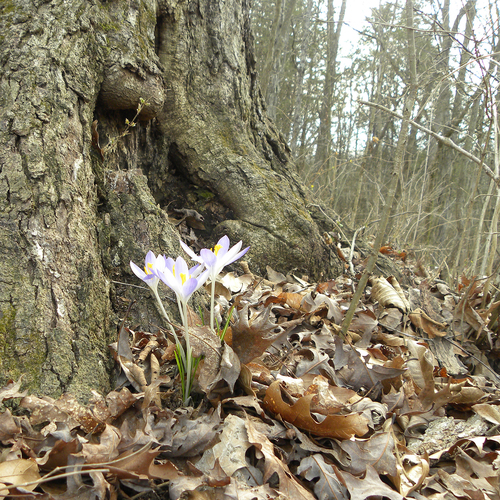
Crocus, Genus,
- Genus
crocus
Europe, Asia, and Africa — Mediterranean basin, Alps, Turkey, Caucasus, and central Asia; grasslands, rocky slopes, and open woodlands
Overview
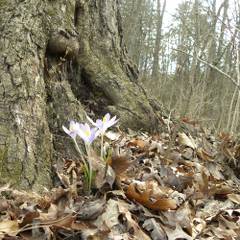
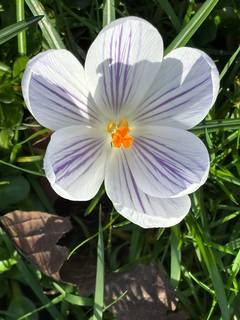
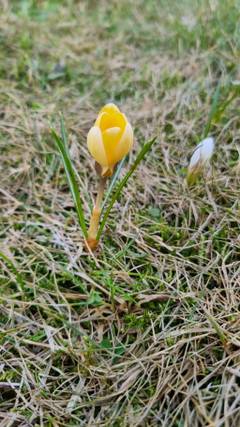
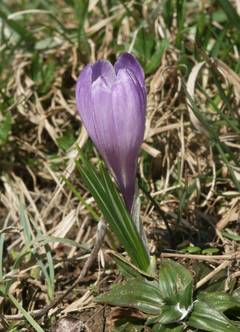
Crocus spp. is crocus (spring crocus), a genus of small cormous perennials growing 3-6 inches (7-15 cm) tall and 2-4 inches (5-10 cm) wide. Cup-shaped flowers 1.5-2 inches (4-5 cm) with 6 tepals in white, yellow, lavender, or purple in January-April (3 weeks) — the flowers open in sunlight and close at night. Medium green narrow grass-like leaves with a white midrib stripe emerge with or after the flowers and die back by late spring. In Iridaceae. Grows from a corm (not a true bulb). Over 80 species from Europe, Asia, and Africa. Common garden types: C. vernus (Dutch crocus — large-flowered), C. chrysanthus (snow crocus — earlier, smaller), C. tommasinianus (naturalizes freely, squirrel-resistant). Fall-blooming C. sativus produces saffron. Plant 3-4 inches (7-10 cm) deep in fall. Squirrels dig up freshly planted corms — this is the primary establishment limitation. Cover with wire mesh at planting or choose squirrel-resistant species (C. tommasinianus). Naturalizes in lawns (delay mowing until foliage withers). Deer-resistant. Drought-tolerant once dormant. Toxic to cats (colchicine-like compounds in some species). Zones 3-8. Full sun to partial shade. Growth rate is moderate.
Native Range
Native to Europe, Asia, and Africa — Mediterranean basin, Alps, Turkey, Caucasus, and central Asia. Found in grasslands, rocky slopes, and open woodlands.Suggested Uses
Grown naturalized in lawns, under deciduous trees, in rock gardens, and in containers of at least 1 gallon (3.8 L), spaced 2-4 inches (5-10 cm). Plant in drifts of 25+ for effect. Early spring color. Squirrel-proof with wire mesh. Toxic to pets. Zones 3-8.How to Identify
Appearance
Size & Dimensions
Height3" - 6"
Width/Spread2" - 4"
Bloom Information
Detailed Descriptions
Flower Description
White, yellow, lavender, or purple depending on species and cultivar; cup-shaped, 1.5-2 inches (4-5 cm), with 6 tepals; the flowers open in sunlight and close at night or in cloudy weatherFoliage Description
Medium green with a white midrib stripe, narrow, grass-like, 4-8 inches (10-20 cm); emerges with or after the flowers; dies back by late springGrowing Conditions
Sun Requirements
Requires 4-8 hours of direct sunlight daily
• Full Sun: 6+ hours of direct sunlight
• Partial Shade: 3-6 hours of direct sunlight
• Full Shade: Less than 3 hours of direct sunlight
Care & Maintenance
Care Guide
Full sun to partial shade (4-8 hours — under deciduous trees works well). Well-drained soil pH 6.0-7.0. Plant corms 3-4 inches (7-10 cm) deep in fall. Wire mesh over freshly planted corms deters squirrels. Allow foliage to die back naturally. Naturalizes in lawns (delay mowing). Drought-tolerant once dormant. Toxic to cats. Deer-resistant. Zones 3-8.Pruning
No pruning needed. Allow grass-like foliage to yellow and wither naturally by late spring (June). Do not mow naturalized crocus in lawns until foliage has died back.Pruning Schedule
Prune: June
late spring
Container Growing
Suitable for container growing
Minimum container size: 1 gallons