Crocus, Genus, neapolitanus, Species,
- Genus & species
spring crocus
Overview
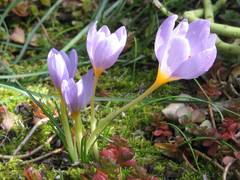
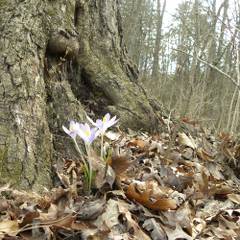
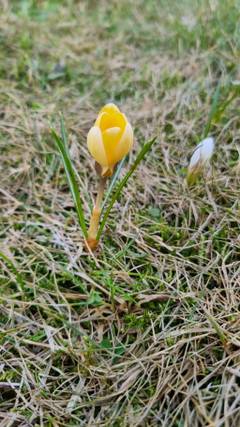
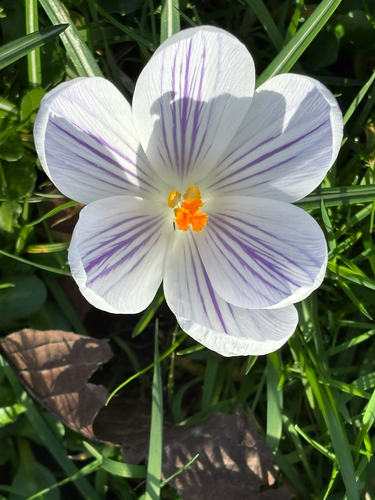
Crocus neapolitanus, treated within the spring crocus group and a parent of the large-flowered Dutch crocuses, is a low cormous perennial in the iris family, reaching 3-6 inches (8-15 cm) tall in bloom. It grows from a small, fibrous-tunicked corm and produces narrow, grass-like leaves with a silvery-white central stripe. The goblet-shaped flowers open in early spring, 1.5-2.4 inches (4-6 cm) long, in shades of violet, purple, lilac, and white, often with darker veining and a paler or feathered throat. Each flower has three inner and three outer tepals surrounding bright orange stigmas and yellow anthers. The flowers close at night and in dull weather and open flat in sun. Foliage lengthens after flowering and dies back by early summer, when the corm rests until autumn. Native to the mountain meadows and woodland edges of central and southern Europe, it naturalizes in grass and spreads by offset corms and seed. It is widely grown in lawns, borders, and rock gardens for early-season bloom.
Native Range
Native to central and southern Europe, including the Alps, Italy, and the Balkans, where it grows in mountain meadows, pastures, and open woodland. It has naturalized in grassland and parkland across temperate Europe through long cultivation.Suggested Uses
Grown in lawns, borders, rock gardens, and under deciduous trees and shrubs for early color, and naturalized in drifts in grass. It suits containers and alpine troughs and combines with snowdrops and other early bulbs.How to Identify
Appearance
Size & Dimensions
Height3" - 6"
Width/Spread2" - 4"
Bloom Information
Blooms in early spring, generally February to April depending on climate, with each corm opening one to several flowers over two to three weeks. The flowers open in sun and close in cold or cloudy weather. Early bees gather pollen from the open blooms.
Detailed Descriptions
Flower Description
violet to whiteFoliage Description
green with silver stripeGrowing Conditions
Sun Requirements
Requires 4-12 hours of direct sunlight daily
• Full Sun: 6+ hours of direct sunlight
• Partial Shade: 3-6 hours of direct sunlight
• Full Shade: Less than 3 hours of direct sunlight
Care & Maintenance
Care Guide
Grows in full sun to light shade in fertile, free-draining soil and naturalizes readily in short grass. Corms are planted 3-4 inches (7-10 cm) deep in autumn and need a cold winter to flower well. The plant tolerates summer drought while dormant and resents wet, heavy soil that rots the corms. The leaves are left to die down naturally after bloom so the corm can rebuild for the following year. Clumps multiply over time and can be lifted and divided in summer when crowded.Pruning
No pruning is needed. The leaves are left to yellow and wither naturally after flowering rather than cut early, since premature removal weakens the corm. Spent flowers can be left to set seed or removed.Container Growing
Suitable for container growing
Minimum container size: 1 gallons