Image 1 of 17
1 / 17
Plant Reference
Maianthemum, Genus, dilatatum, Species,
- Genus & species
false lily of the valley
Western North America — Alaska south through British Columbia, Washington, Oregon to northern California; also Japan and eastern Russia; coastal temperate rainforests, moist conifer forests, and streamside habitats
Overview
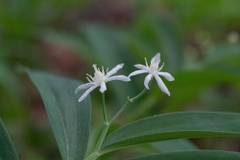
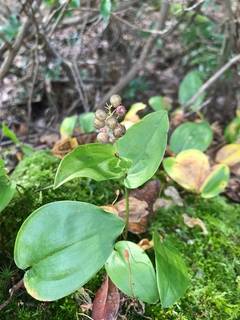
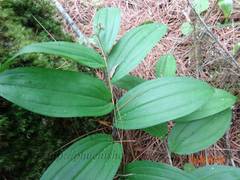
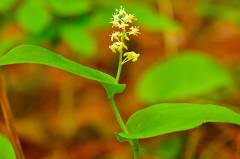
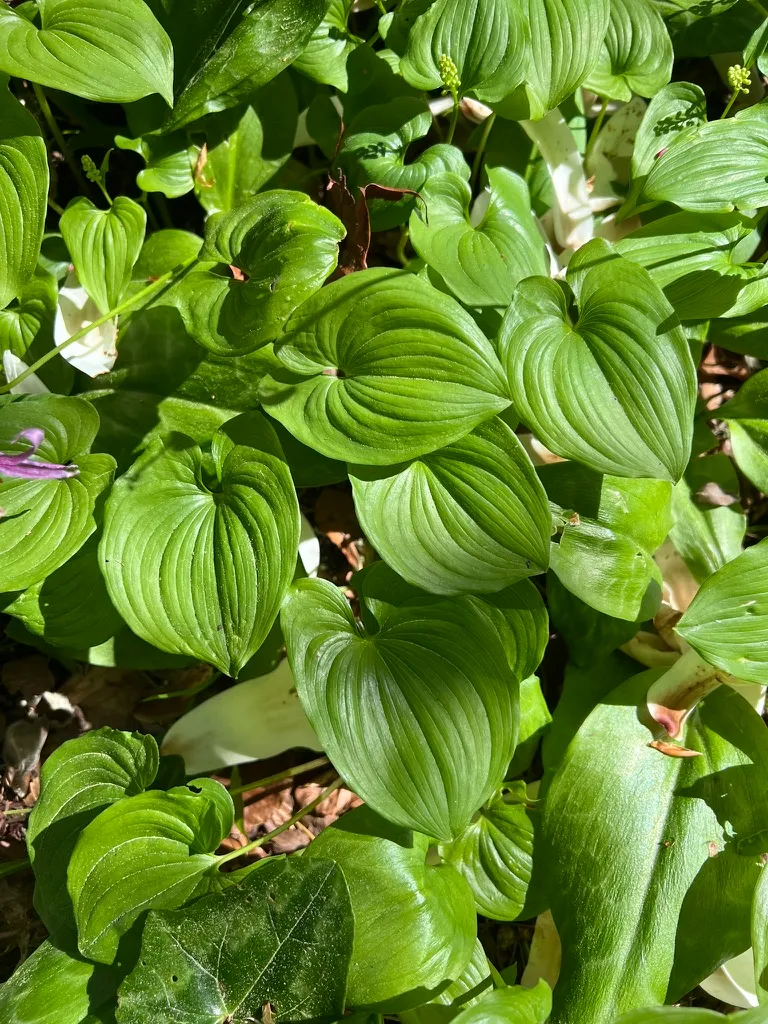
Maianthemum dilatatum is false lily of the valley (wild lily of the valley), a low spreading deciduous perennial growing 4-14 inches (10-35 cm) tall and 12-36 inches (30-90 cm) wide. White 4-tepaled flowers (4 tepals — diagnostic) in dense upright cylindrical racemes 1-3 inches (2.5-7 cm) in May-June (4 weeks). Bright red berries in August-September. Glossy dark green broadly heart-shaped pleated leaves 2-4 inches (5-10 cm) with expanded cordate bases. In Asparagaceae. Dilatatum = spread wide (the leaf base). Native to the Pacific Northwest coast — Alaska to northern California. Often the dominant forest-floor ground cover under Sitka spruce and western hemlock in coastal temperate rainforests. Spreads aggressively by underground rhizomes. This aggressive rhizomatous spread is the primary maintenance consideration — the plant colonizes large areas in moist acidic shade. Requires consistently moist acidic soil (pH 4.5-6.5). The 4-tepaled flowers distinguish M. dilatatum from other Maianthemum species (6 tepals). Not drought-tolerant. Deer browse. Berries toxic to humans. Zones 4-9. Full shade to part shade. Growth rate is fast (via rhizomes).
Native Range
Native to western North America — Alaska south through British Columbia, Washington, Oregon to northern California. Also found in Japan and eastern Russia. Grows in coastal temperate rainforests, moist conifer forests, and streamside habitats.Suggested Uses
Grown as a native shade ground cover in moist acidic woodland gardens, under conifers, and along shaded stream banks, spaced 12-36 inches (30-90 cm). Aggressive rhizomatous spreader. Moist acidic shade. Berries toxic. Native to PNW. Zones 4-9.How to Identify
Appearance
Size & Dimensions
Height4" - 1'2"
Width/Spread1' - 3'
Bloom Information
Late spring (May-June). White 4-tepaled flowers in dense upright cylindrical racemes 1-3 inches (2.5-7 cm). 4 weeks. Bee-visited. Bright red berries follow in August-September.
Detailed Descriptions
Flower Description
White, small, 4-parted (4 tepals — diagnostic: distinguishes from other Maianthemum species which have 6 tepals), in a dense upright cylindrical raceme 1-3 inches (2.5-7 cm)Foliage Description
Glossy dark green, broadly heart-shaped to arrow-shaped with an expanded cordate base, 2-4 inches (5-10 cm), with prominently pleated veining; 1-3 per stem; dilatatum = spread wide (the expanded leaf base)Growing Conditions
Sun Requirements
Requires 1-3 hours of direct sunlight daily
• Full Sun: 6+ hours of direct sunlight
• Partial Shade: 3-6 hours of direct sunlight
• Full Shade: Less than 3 hours of direct sunlight
Care & Maintenance
Care Guide
Full shade to part shade (1-3 hours). Moist acidic soil pH 4.5-6.5. Not drought-tolerant. Spreads aggressively by rhizomes — allow ample space or contain. Remove old dead foliage in late winter (February-March). Berries toxic to humans. Deer browse. Zones 4-9.Pruning
Remove old dead foliage in late winter (February-March) before new growth. Thin or remove unwanted rhizome spread at any time.Pruning Schedule
Prune: February–March
early spring