Prunus, Genus, spp., Multiple species,
- Genus
- Multiple species
plums, cherries, and allies
Northern Hemisphere, mainly temperate Asia, Europe, and North America
Overview
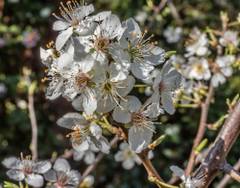
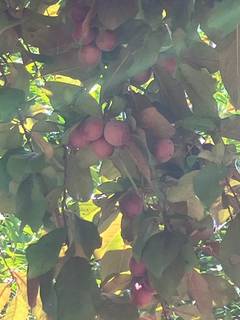
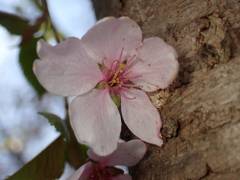
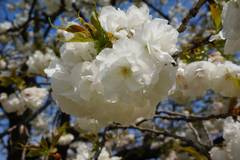
Prunus is a genus of 200-400 species of trees and shrubs in the rose family that includes plums, cherries, peaches, apricots, almonds, and the laurel cherries. Across the genus, plants range from low shrubs about 3 feet (1 m) tall to trees of 40 feet (12 m), most of them deciduous though a few, such as the cherry laurels, are evergreen. The leaves are simple, alternate, and usually toothed, and many species bear paired glands at the leaf base. Five-petaled flowers in white to pink open in spring, singly, in clusters, or in elongated spikes, often before or with the new leaves. Each flower develops into a drupe — a fleshy stone fruit with a single hard-shelled seed — ripening in summer to autumn and ranging from sweet cherries and plums to dry almond hulls. The leaves, bark, and seeds contain cyanogenic compounds that release cyanide when crushed and are toxic if eaten in quantity. Across the genus, species differ in size, fruit type, and bloom time, and many are grown for fruit, ornament, or both. Many flower heavily but are relatively short-lived and prone to canker and borers.
Native Range
The genus is native across the Northern Hemisphere, with centers of diversity in temperate Asia, Europe, and North America, and a smaller number of species in the Andes and Southeast Asia. Species grow in woodlands, forest edges, thickets, and mountain slopes in temperate and subtropical climates. Across the genus they favor sunny sites with deep, well-drained soil.Suggested Uses
Members of the genus are grown as orchard fruit trees, flowering ornamentals, hedges, and screens, spaced by mature size from about 8 to 25 feet (2.4 to 7.5 m) apart. Shrubby species are used in mixed borders and wildlife hedges, while flowering cherries and plums are grown as specimens. Across the genus they are grown for spring bloom, fruit, or both.How to Identify
Appearance
Size & Dimensions
Height3' - 40'
Width/Spread3' - 30'
Bloom Information
Across the genus, flowering runs through spring, generally March to May in temperate regions, with early species opening before the leaves and others blooming with new growth. Individual trees flower for about 1-2 weeks, shorter in warm spells. Late frosts can destroy open flowers and reduce the fruit crop.
Detailed Descriptions
Flower Description
white to pinkFoliage Description
greenGrowing Conditions
Sun Requirements
Requires 6-8 hours of direct sunlight daily
• Full Sun: 6+ hours of direct sunlight
• Partial Shade: 3-6 hours of direct sunlight
• Full Shade: Less than 3 hours of direct sunlight
Care & Maintenance
Care Guide
Most species grow in full sun in deep, well-drained soil and flower and fruit poorly in shade or waterlogged ground. Across the genus they need regular moisture while young and during fruit development, and even moisture reduces fruit splitting. The group is prone to a long list of problems, including brown rot, bacterial canker, black knot, leaf curl, aphids, borers, and tent caterpillars, and many species are relatively short-lived. Pruning is timed to dry weather to limit the spread of canker and silver leaf. Suckering and seedling spread occur in some species. Fallen fruit and cyanogenic leaves can sicken pets and livestock that eat them in quantity.Pruning
Across the genus, prune in summer or in dry weather rather than in winter, since dormant cuts invite silver leaf and bacterial canker. Remove dead, diseased, broken, and crossing wood, and thin fruiting species to open the crown to light and air. Stone fruits flower on a mix of old and young wood, so hard renewal is done gradually over several years.Pruning Schedule
summer