Image 1 of 13
1 / 13
Plant Reference
Pinus, Genus, strobus, Species,
- Genus & species
eastern white pine
Native to eastern North America — Newfoundland and Nova Scotia west across eastern Canada to Manitoba and southeastern Ontario, south through the New England states, the Appalachian chain to northern Georgia and Tennessee, and west to Minnesota and Iowa; mesic forest sites from sea level to 5,000 feet (1,500 m)
Overview
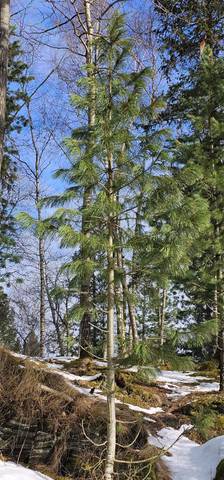
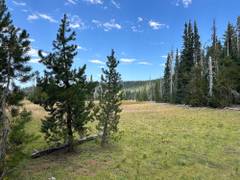
Pinus strobus is eastern white pine (northern white pine), an upright evergreen coniferous tree in the pine family Pinaceae growing 50-80 feet (15-24 m) tall and 20-40 feet (6-12 m) wide in cultivation on a single straight trunk with a broadly irregular open crown that develops as the tree matures. The species held the record as the tallest native conifer in eastern North America in pre-colonial forests — tree-ring-verified historical specimens from old-growth stands in New Hampshire, Maine, and the Adirondacks reached 230 feet (70 m), and the species supplied the primary timber resource that drove eastern North American colonial forestry and ship-mast production from the 17th through the 19th centuries. The specific epithet strobus is derived from Greek strobos (a twisted or swirling object, in reference to the spiral arrangement of cone scales) and the species is the type species of subgenus Strobus, the 5-needle white pines. Needles are carried in fascicles of five, 2-5 inches (5-13 cm) long, soft and pliable to the touch, blue-green with conspicuous white stomatal lines on the inner surfaces that produce a pale cast when the foliage is viewed from below. The soft pliable needle tactile character is a reliable field diagnostic that separates the species from the stiff-needled hard pines and supports the species' use in near-path garden positions because the foliage does not prick passersby. Cones are pendant, cylindrical, 4-8 inches (10-20 cm) long, resin-coated (resin drops ooze from the cones as they mature and leave sticky surfaces on anything the cones rest against), and ripen through two growing seasons from green to light brown before opening to release winged seeds. Limitation: the species carries three significant cultivation limitations that together exclude it from many suburban and urban sites where other large pines succeed. First, white pine blister rust (Cronartium ribicola) is a fatal fungal canker disease that requires Ribes species (currants and gooseberries) as an alternate host and that kills affected trees within years of infection — plantings within 1,000 feet (300 m) of Ribes are at serious disease risk. Second, white pine weevil (Pissodes strobi) is a native beetle whose larvae kill the terminal leader of the tree each year in heavily infested areas, producing forked growth and permanently deforming the tree's vertical architecture — young trees are particularly vulnerable. Third, the species is intolerant of road salt, air pollution, and ground-level ozone — roadside, highway-margin, and industrial-corridor positions that support tolerance-proven pines like P. nigra are unsuitable for P. strobus. The species is also not drought-tolerant (unlike most other pines in cultivation) and calls for consistent moisture on well-drained sites, and the foliage is not deer-resistant — the soft foliage is palatable to browsing deer in winter when other forage is scarce. Non-toxic.
Native Range
Native to eastern North America — from Newfoundland and Nova Scotia west across eastern Canada to Manitoba and southeastern Ontario, south through the New England states, the Appalachian chain to northern Georgia and Tennessee, and west to Minnesota and Iowa. Found in mesic forest sites from sea level to 5,000 feet (1,500 m) elevation. The species held the record as the tallest native conifer in eastern North America — tree-ring-verified historical specimens from old-growth stands reached 230 feet (70 m). The specific epithet strobus derives from Greek strobos (a twisted or swirling object) in reference to the spiral arrangement of cone scales, and the species is the type species of subgenus Strobus.Suggested Uses
Used as a native specimen tree in eastern North American moist acidic landscapes, as a component of large-scale naturalistic plantings and woodland restorations, as a tall screen and windbreak on interior sites protected from road-salt spray and ground-level ozone exposure, and as a bird habitat tree supporting nesting red-tailed hawks, great horned owls, and pine warblers across the native range at 20-40 foot (6-12 m) spacing between trees in USDA zones 3 through 8. The soft pliable blue-green 5-needle foliage that does not prick near-path passersby, the tall straight single-trunked architectural form, the long pendant resin-coated cones on the upper canopy, the species' historical standing as the tallest native conifer of eastern North America (old-growth specimens to 230 feet), and the relatively fast growth rate (15-25 years to substantial landscape stature) combine to make P. strobus a foundation native conifer for moist interior landscapes within the native range. Roadside and highway-margin positions are unsuitable because of salt and ozone sensitivity; sites within 1,000 feet of Ribes plants are unsuitable because of the blister-rust alternate-host relationship; dry-site and drought-prone positions are unsuitable because the species is not drought-tolerant (unlike most cultivated pines); deer-pressured sites are unsuitable because the soft foliage is heavily browsed in winter.How to Identify
Appearance
Size & Dimensions
Height50' - 80'
Width/Spread20' - 40'
Colors
Foliage Colors
Fall Foliage Colors
Reproduction
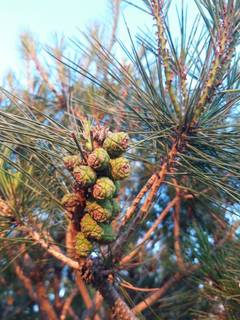
Yellow male pollen cones (strobili) are clustered at the base of new shoots in May through June across a 2-3 week wind-pollinated release period. Small reddish-purple female seed cones at the branch tips mature over two growing seasons into pendant cylindrical resin-coated cones 4-8 inches (10-20 cm) long that are light brown at maturity and open to release winged seeds. The seeds are a winter food source for red squirrels, gray squirrels, white-breasted nuthatches, and several smaller seed-eating birds across the native range.
Detailed Descriptions
Foliage Description
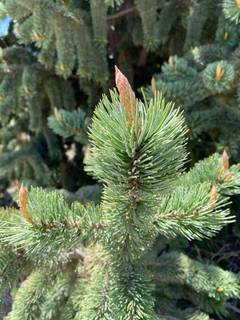
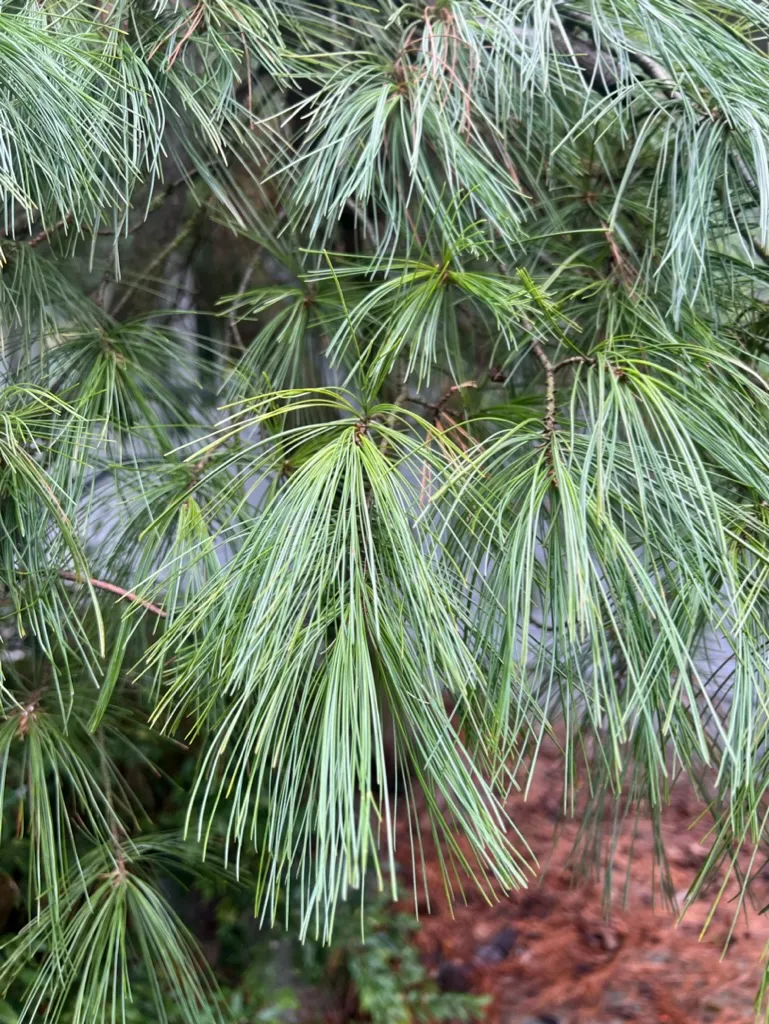
blue-green with conspicuous white stomatal lines on the inner (adaxial) surfaces of the needles that produce a pale cast when the foliage is viewed from below; needles are carried in fascicles of five (the 5-needle count is the primary field diagnostic of subgenus Strobus and separates the species from the 2-needle and 3-needle hard pines), 2-5 inches (5-13 cm) long, soft, pliable, flexible, and small-leaved in overall foliage texture compared with stiff-needled pines — the soft pliable needle tactile character is a reliable field diagnostic and supports the species' common garden use because the foliage does not prick passersby as stiff pine needles do; evergreen year-round with individual needles retained 2-3 years before sheddingGrowing Conditions
Sun Requirements
Requires 4-12 hours of direct sunlight daily
• Full Sun: 6+ hours of direct sunlight
• Partial Shade: 3-6 hours of direct sunlight
• Full Shade: Less than 3 hours of direct sunlight