Pinus, Genus, spp., Multiple species,
- Genus
- Multiple species
pines
Northern Hemisphere (Eurasia, North America, Central America, North Africa, Southeast Asia)
Overview
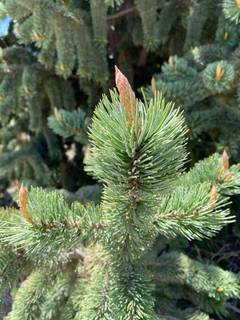
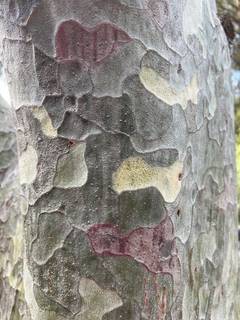
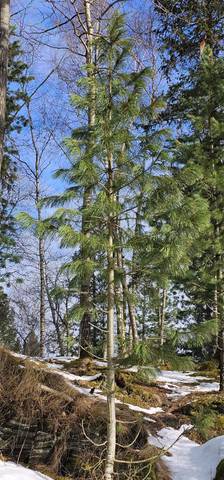
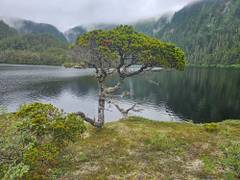
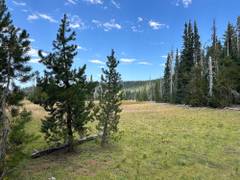
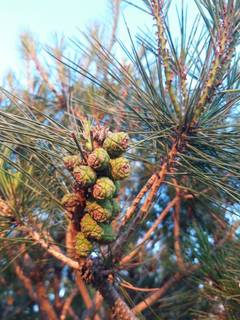
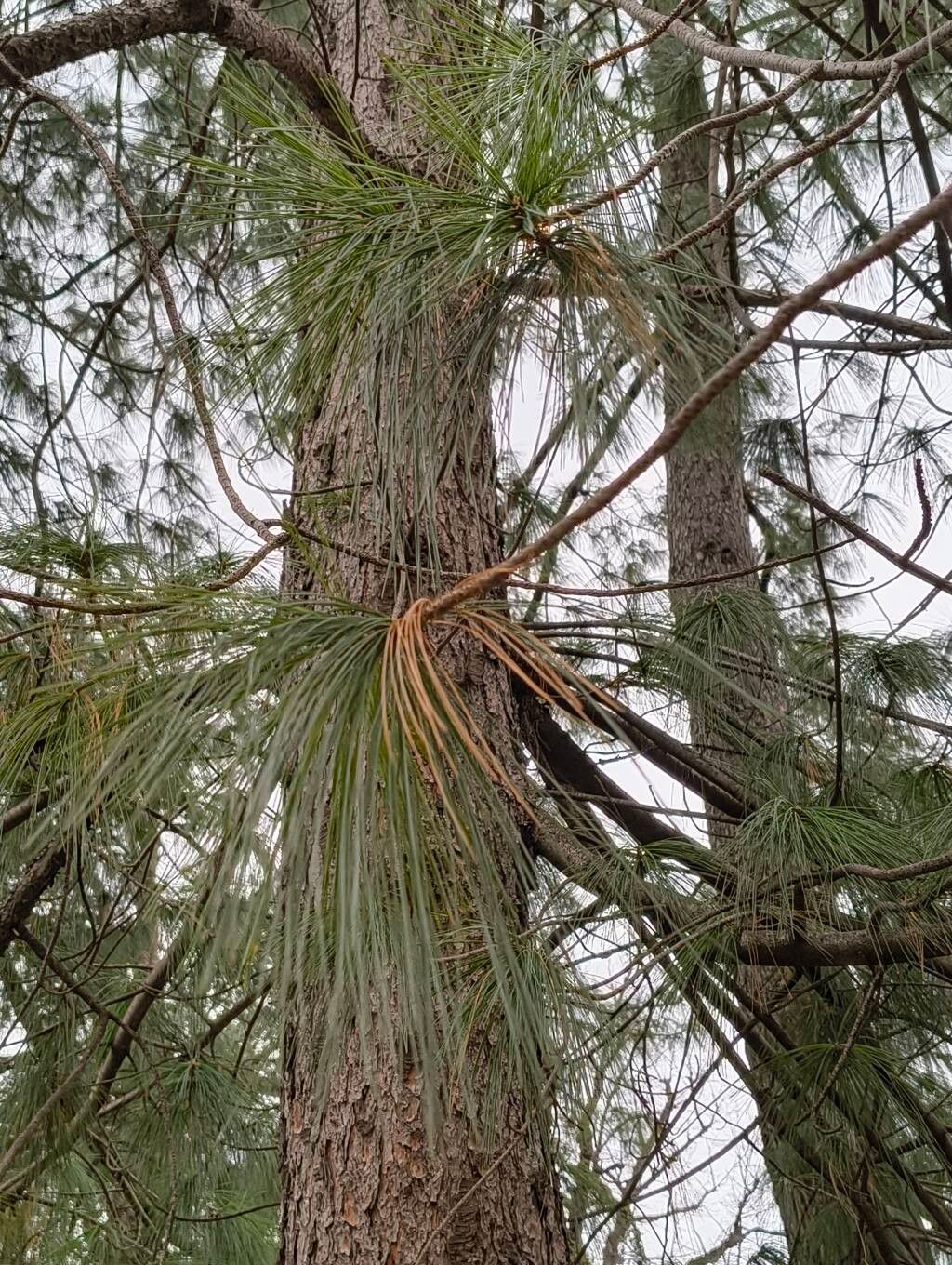
Pinus is a genus of about 120 evergreen coniferous species in the family Pinaceae, distributed across the Northern Hemisphere from subarctic forests to subtropical mountains. Members range from low shrubs such as P. mugo at 3-10 ft (1-3 m) to forest trees such as P. ponderosa exceeding 165 ft (50 m), with a few species taller still. The needle-like leaves are borne in bundles of one to five, held by a papery basal sheath, and measure 1-16 in (3-40 cm) depending on species. Bark ranges from smooth grey on young stems to thick, plated, and deeply fissured on mature trunks. Most species form a single straight trunk with whorled branches, producing a conical crown in youth that broadens or flattens with age. Woody seed cones mature over two to three years and span 1-24 in (3-60 cm). Pines are wind-pollinated and monoecious, carrying separate pollen and seed cones on the same plant. The genus tolerates a wide climate range, with species adapted to drought, cold, coastal salt, and poor soils, though most require full sun and sharp drainage. Several species are slow to establish and intolerant of root disturbance once settled. Pines are grown for timber, shelter, and ornament, and many produce edible seeds sold as pine nuts.
Native Range
Species occur naturally throughout the Northern Hemisphere, from the subarctic forests of Eurasia and North America south to Central America, North Africa, and Southeast Asia. The greatest concentration of species is in Mexico and the southwestern United States.Suggested Uses
Across the genus, pines are used as timber and shelterbelt trees, windbreaks, and large specimens in parks and rural properties. Compact and dwarf species such as P. mugo are grown in rock gardens, foundation plantings, and containers. Several species supply edible pine nuts and are tapped for resin.How to Identify
Appearance
Size & Dimensions
Height3' - 165'
Width/Spread3' - 40'
Colors
Foliage Colors
Fall Foliage Colors
Bloom Information
Pines do not produce true flowers; they are wind-pollinated conifers that release pollen from small clustered pollen cones in spring, generally April to June across the genus. Seed cones are pollinated the same season and take two to three years to ripen and shed winged seeds. Pollen release can be heavy enough to coat nearby surfaces in yellow dust.
Detailed Descriptions
Foliage Description
green to blue-green, glaucous silver-blue in some speciesGrowing Conditions
Sun Requirements
Requires 6-12 hours of direct sunlight daily
• Full Sun: 6+ hours of direct sunlight
• Partial Shade: 3-6 hours of direct sunlight
• Full Shade: Less than 3 hours of direct sunlight