Pinus, Genus, aristata, Species,
- Genus & species
bristlecone pine
Rocky Mountains and southwestern mountain ranges, Colorado, Arizona, New Mexico; 7,500–12,000 feet (2,300–3,660 m)
Overview
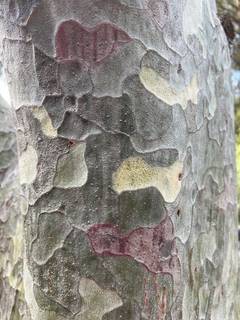
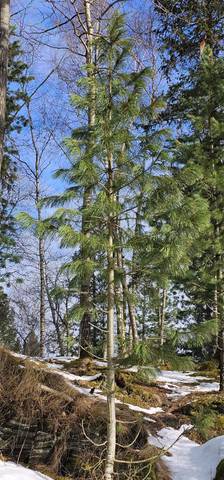
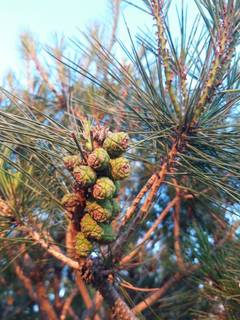
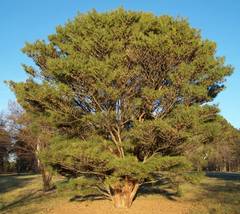
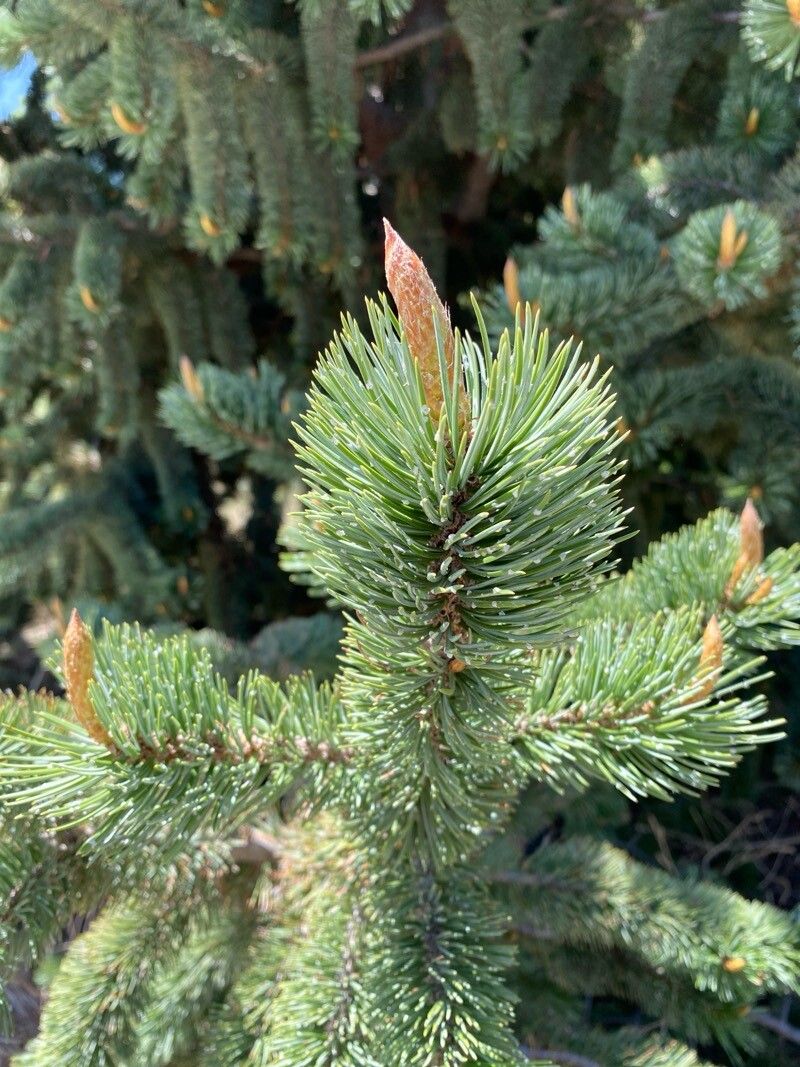
Pinus aristata is a slow-growing, long-lived evergreen pine native to the Rocky Mountains and Colorado Plateau. In cultivation, trees typically reach 8–20 feet (2.4–6 m) tall and 5–12 feet (1.5–3.7 m) wide over many decades; growth rate is 1–3 inches (2.5–7.5 cm) per year. The crown is irregular, densely branched, and often picturesque in older specimens. Needles are 1–1.5 inches (2.5–4 cm) long, in bundles of five, dark green, with conspicuous white resin dots on the needle surfaces. The needles persist on the branches for 10–20 years, giving the foliage an unusually dense, bottlebrush appearance. Cones are 2.5–3.5 inches (6–9 cm) long, ovoid, dark purple-brown, with slender bristle-like prickles on each scale. Bark on young trees is gray and smooth, becoming reddish-brown and furrowed with age. This is a different species from P. longaeva, the Great Basin bristlecone pine, which holds the record for longevity; P. aristata can nonetheless live for several hundred years in favorable conditions.
Native Range
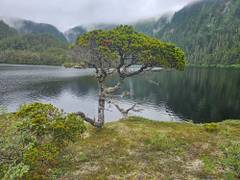
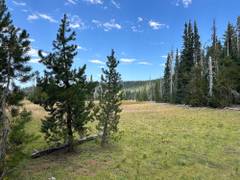
Pinus aristata is native to scattered mountain ranges in the southwestern United States, including the Rocky Mountains of Colorado, the San Francisco Peaks in Arizona, and the Sangre de Cristo Mountains in New Mexico. It grows at elevations of 7,500–12,000 feet (2,300–3,660 m) on rocky, exposed ridges and slopes with thin, well-drained soils.Suggested Uses
Planted as a specimen in rock gardens, dry slopes, and xeric landscape settings where extremely slow growth and drought tolerance are suited to site conditions. Spacing of 8–12 feet (2.4–3.7 m) from adjacent plants accommodates mature spread. The very slow growth rate — less than 6 inches (15 cm) per year — means trees remain small for many years, making them suitable for confined spaces that would eventually be crowded by faster-growing conifers.How to Identify
Appearance
Size & Dimensions
Height8' - 20'
Width/Spread5' - 12'
Colors
Bloom Information
Male strobili are yellow, releasing pollen in May–June. Female cones require two seasons to mature, ripening in August–September of the second year to dark purple-brown. Seed release follows shortly after ripening. Cone production begins at 15–25 years and is modest on most cultivated specimens.
Detailed Descriptions
Flower Description
yellow (male strobili)Foliage Description
dark green with white resin dotsGrowing Conditions
Sun Requirements
Requires 6-12 hours of direct sunlight daily
• Full Sun: 6+ hours of direct sunlight
• Partial Shade: 3-6 hours of direct sunlight
• Full Shade: Less than 3 hours of direct sunlight