Pinus, Genus, attenuata, Species,
- Genus & species
knobcone pine
Pacific coast of North America (southern Oregon to northern Baja California); dry rocky slopes, serpentine soils, and chaparral at 1,000–5,000 ft (300–1,500 m)
Overview
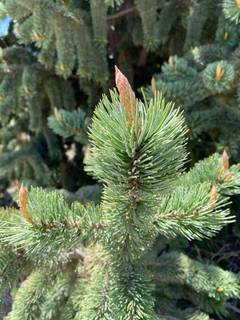
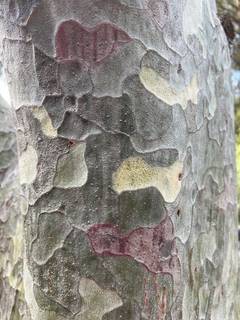
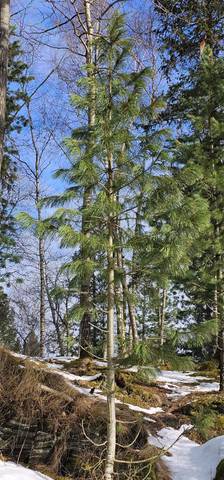
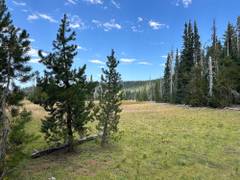
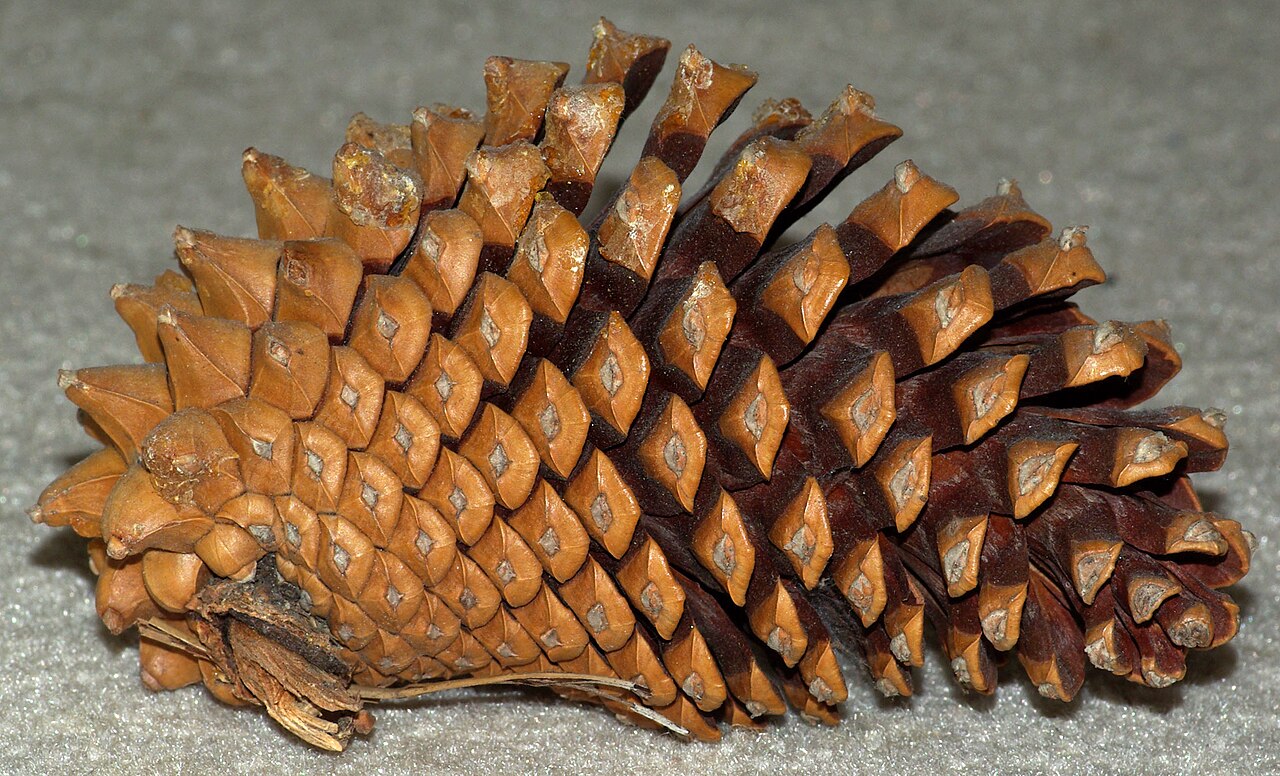
Pinus attenuata is an evergreen conifer reaching 20–50 feet (6–15 m) tall and 15–25 feet (4.6–7.6 m) wide, with an irregular, open, often asymmetric crown and a crooked trunk. The species is a three-needle pine; needles measure 3–5 inches (8–13 cm) long, are yellowish-green to medium green, and are held in fascicles of 3. Cones are strongly asymmetric and lopsided, 3–6 inches (8–15 cm) long, narrowly conical with a pronounced knob or boss on the outer scales, and serotinous — sealed with resin and opening only after fire heat. Cones persist on the tree for decades in whorls along the trunk and branches, and old trees accumulate massive clusters. Bark is thin and dark gray-brown. Growth rate is moderate. Hardy in USDA zones 7–10. The species is fire-adapted; the serotinous cones release seeds after intense heat, and the thin bark makes the tree vulnerable to fire despite the species' reproductive dependence on it. Irregular form limits suitability for formal plantings, and cold tolerance below USDA zone 7 is poor.
Native Range
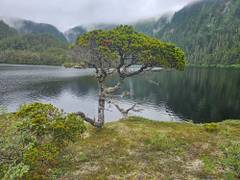
Pinus attenuata is native to the Pacific coast of North America, from southern Oregon through California to northern Baja California, on dry rocky slopes, serpentine soils, and chaparral at 1,000–5,000 feet (300–1,500 m).Suggested Uses
Planted in native and restoration gardens, dry slopes, serpentine sites, and large informal landscapes at 15–20 foot (4.6–6 m) spacing in USDA zones 7–10. The persistent knobby cone clusters accumulate on mature trunks and produce a sculptural silhouette useful in fire-ecology or native-plant educational plantings. The species tolerates serpentine, rocky, and other low-nutrient soils that limit most other pines. The irregular open form is not suited to formal settings, the mature 20–50 foot (6–15 m) height limits use in small gardens, and the thin bark makes the species a poor choice near structures where wildfire risk is a concern.How to Identify
Appearance
Size & Dimensions
Height20' - 50'
Width/Spread15' - 25'
Bloom Information
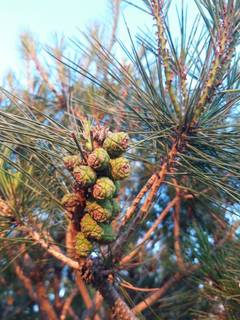
Produces male pollen strobili in April and May. Female cones mature in 2 years to 3–6 inches (8–15 cm) long, strongly asymmetric with knobbed outer scales, and serotinous — sealed with resin and opening only after fire heat. Cones persist on the tree for decades after maturity. Pollination events last 2 weeks.
Detailed Descriptions
Flower Description
Male pollen strobili April–May; female cones 3–6 inches (8–15 cm), strongly asymmetric with knobbed outer scales, serotinous, persistent on trunk for decadesFoliage Description
Yellowish-green to medium green; needles 3–5 inches (8–13 cm) long in fascicles of 3Growing Conditions
Sun Requirements
Requires 6-12 hours of direct sunlight daily
• Full Sun: 6+ hours of direct sunlight
• Partial Shade: 3-6 hours of direct sunlight
• Full Shade: Less than 3 hours of direct sunlight