Pinus, Genus, armandii, Species,
- Genus & species
Armand pine
Central and western China, Taiwan, and northern Myanmar; montane forests at 5,000–11,000 ft (1,500–3,400 m); named for Père Armand David
Overview
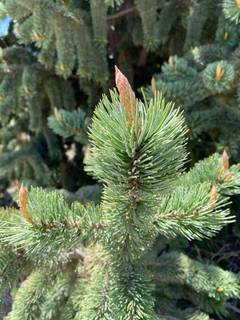
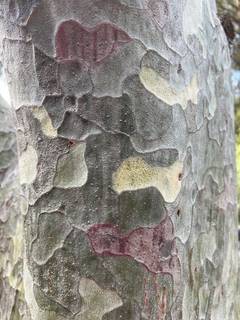
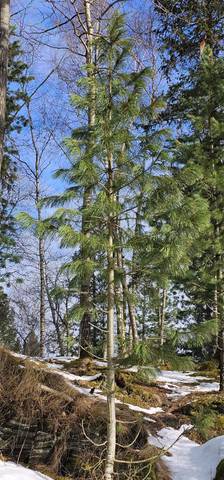
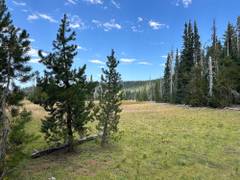
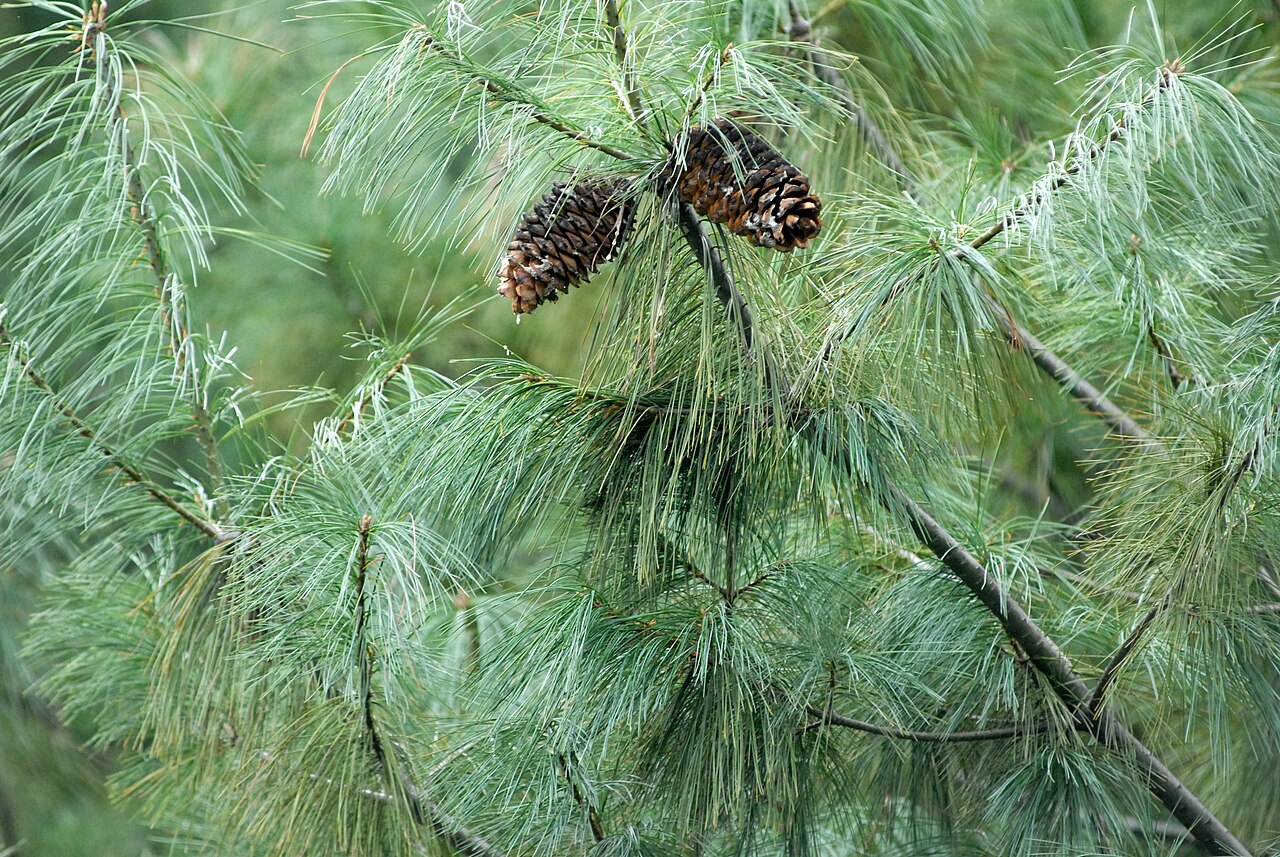
Pinus armandii is an evergreen conifer reaching 30–50 feet (9–15 m) tall in cultivation and 20–30 feet (6–9 m) wide, with an open, broadly conical to irregularly spreading crown. The species is a five-needle pine in subgenus Strobus; needles measure 4–7 inches (10–18 cm) long, are blue-green to gray-green, somewhat drooping, and are held in fascicles of 5. Cones are large and resinous, 4–8 inches (10–20 cm) long, cylindrical to barrel-shaped, pendant, with thick woody scales that release large edible seeds. Bark is smooth gray-green when young and develops dark gray plates with age. Growth rate is moderate. Hardy in USDA zones 5–8. The species is susceptible to white pine blister rust (Cronartium ribicola), so planting near Ribes species (currants and gooseberries — alternate hosts of the rust) should be avoided. Mature size of 30–50 feet (9–15 m) tall exceeds the space available in small gardens, and good drainage is required to prevent root-rot problems.
Native Range
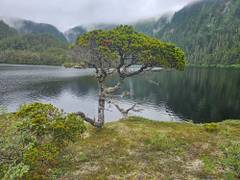
Pinus armandii is native to central and western China, Taiwan, and northern Myanmar, in montane forests at 5,000–11,000 feet (1,500–3,400 m). Named for Père Armand David (1826–1900), the French missionary-botanist who also described Davidia involucrata.Suggested Uses
Planted as a specimen at 20–30 foot (6–9 m) spacing in large gardens, parks, arboreta, and native-adjacent plantings in USDA zones 5–8. The drooping blue-green five-needle foliage and large barrel-shaped cones produce a soft textured silhouette. Seeds are edible pine nuts, though cone production is variable year to year. The tree is not suited to small gardens at its mature 30–50 foot (9–15 m) height, wet or poorly drained soils, or proximity to Ribes plantings because of blister rust transmission risk.How to Identify
Appearance
Size & Dimensions
Height30' - 50'
Width/Spread20' - 30'
Bloom Information
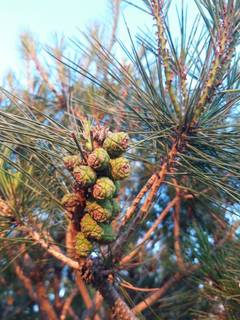
Produces male pollen strobili in April and May. Female cones develop over two years, reaching 4–8 inches (10–20 cm) long, barrel-shaped, pendant, resinous, and carrying large edible seeds. Pollination events last 2 weeks.
Detailed Descriptions
Flower Description
Male pollen strobili April–May; female cones 4–8 inches (10–20 cm) long, barrel-shaped, pendant, resinous, with large edible seeds; 2-year maturationFoliage Description
Blue-green to gray-green; drooping needles 4–7 inches (10–18 cm) long in fascicles of 5Growing Conditions
Sun Requirements
Requires 6-12 hours of direct sunlight daily
• Full Sun: 6+ hours of direct sunlight
• Partial Shade: 3-6 hours of direct sunlight
• Full Shade: Less than 3 hours of direct sunlight
Care & Maintenance
Care Guide
Plant in full sun in well-drained loam, sandy, or silty soil at pH 5.0–7.0. Hardy in USDA zones 5–8. Good drainage supports root health; heavy clay and waterlogged positions produce decline. The species is a host for white pine blister rust (Cronartium ribicola), and planting within 500–1,000 feet (150–300 m) of Ribes species increases infection risk substantially. Drought tolerance is moderate once established. The soft-textured drooping foliage is damaged by heavy ice or wet snow, so sheltered positions reduce winter breakage.Pruning
Routine pruning is not required. Maintain a central leader on young trees by removing competing co-dominant tops. Remove dead, damaged, or crossing branches in late winter before new growth begins. The open graceful habit develops without intervention over 15–30 years.Pruning Schedule
Prune: February–March
early spring