Pinus, Genus, contorta, Species,
- Genus & species
lodgepole pine
Western North America (Alaska to Baja California, east to Rocky Mountains); coastal subsp. contorta, interior subsp. latifolia, Sierra/Cascade subsp. murrayana
Overview
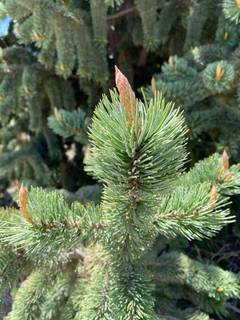
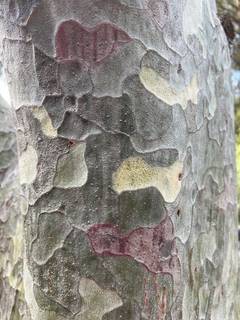
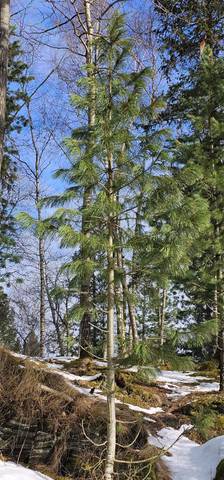
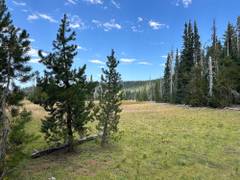
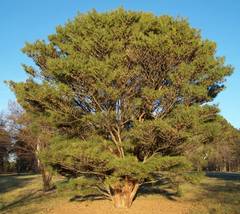
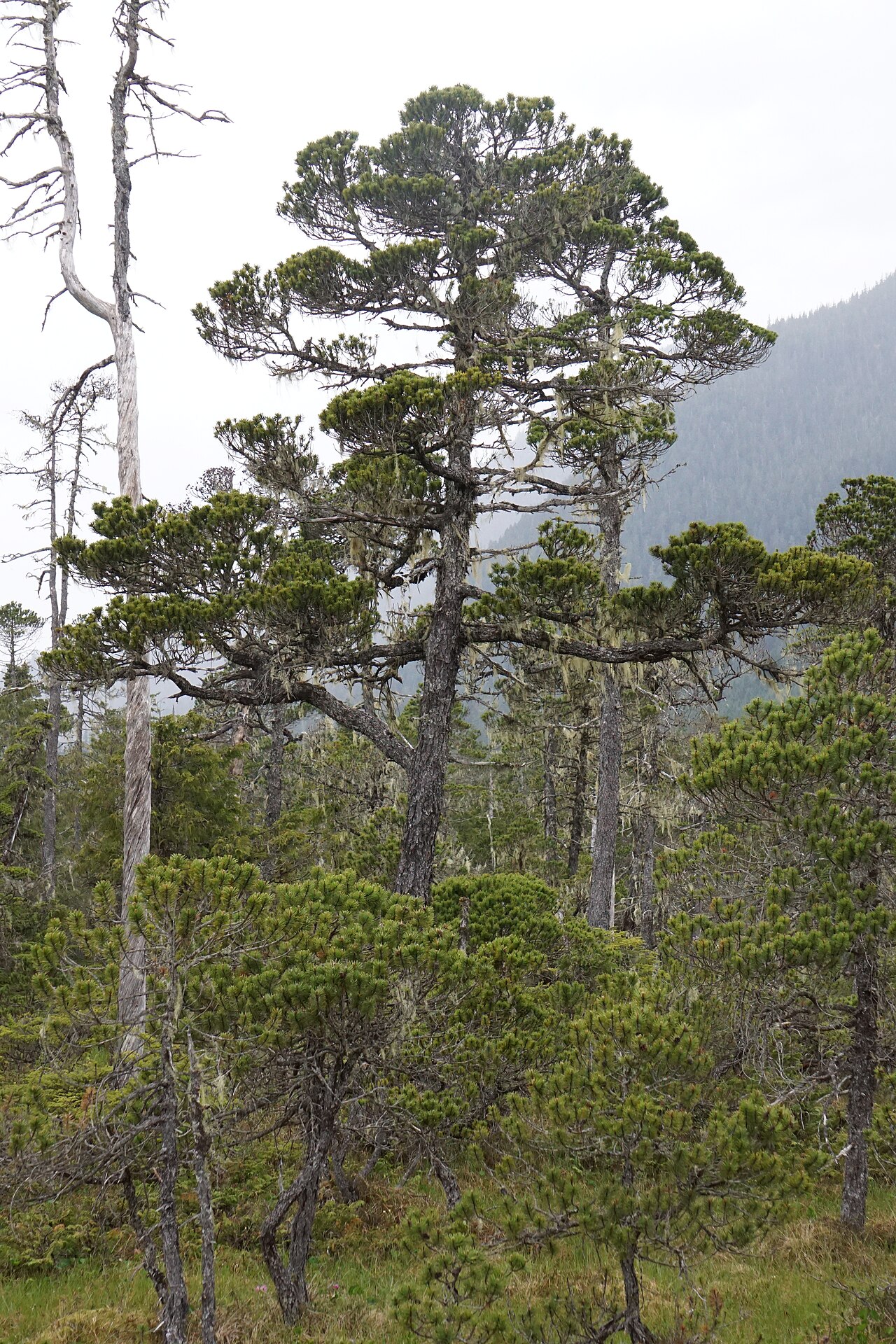
Pinus contorta is an evergreen conifer with a form that varies sharply by subspecies. The coastal subspecies (ssp. contorta, shore pine) reaches 25–50 feet (7.6–15 m) tall and 15–30 feet (4.6–9 m) wide with an irregular, often twisted, broadly rounded and sometimes wind-sculpted crown. The interior subspecies (ssp. latifolia, lodgepole pine) reaches 70–80 feet (21–24 m) tall with a narrowly conical habit. The species is a two-needle pine; needles measure 1–3 inches (2.5–8 cm) long, are twisted (the specific epithet contorta means twisted), dark green to yellowish-green, and are held in fascicles of 2. Cones are small, 1–2 inches (2.5–5 cm) long, ovoid, slightly asymmetric, and variably serotinous depending on local fire history. Bark is thin, dark brown to gray-brown, and scaly to furrowed. Growth rate is moderate to fast. Hardy in USDA zones 4–8. Shore pine is relatively short-lived for a conifer at 100–200 years, the irregular form is a poor fit for formal plantings, and lodgepole pine's narrow tall form at 70–80 feet (21–24 m) exceeds the space available in small gardens.
Native Range
Pinus contorta is native to western North America, from Alaska south to Baja California and east to the Rocky Mountains. Subsp. contorta (shore pine) grows along the Pacific coast; ssp. latifolia (lodgepole pine) grows in the interior mountains; ssp. murrayana grows in the Sierra Nevada and Cascades.Suggested Uses
Shore pine is planted as a specimen, windbreak, or coastal screen at 15–20 foot (4.6–6 m) spacing in USDA zones 4–8, where salt spray, coastal wind, and seasonally wet soils rule out most other conifers. The irregular twisted form suits naturalistic, coastal, and Japanese-influenced plantings. Lodgepole pine's narrow tall form at 70–80 feet (21–24 m) suits inland windbreaks and native reforestation-adjacent plantings at 20–30 foot (6–9 m) spacing. Shore pine is relatively short-lived for a conifer at 100–200 years, and formal settings requiring uniform or symmetrical shape are not a fit for either subspecies.How to Identify
Appearance
Size & Dimensions
Height25' - 50'
Width/Spread15' - 30'
Bloom Information
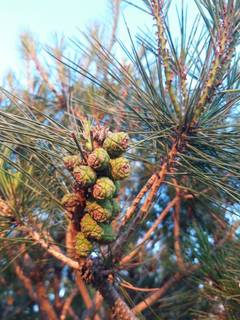
Produces male pollen strobili in May and June. Female cones mature in 2 years to 1–2 inches (2.5–5 cm) long, ovoid, variably serotinous depending on local fire history. Cones persist on the tree. Pollination events last 2 weeks.
Detailed Descriptions
Flower Description
Male pollen strobili May–June; female cones 1–2 inches (2.5–5 cm), ovoid, slightly asymmetric, variably serotinous, persistent on treeFoliage Description
Dark green to yellowish-green; twisted needles 1–3 inches (2.5–8 cm) long in fascicles of 2Growing Conditions
Sun Requirements
Requires 6-12 hours of direct sunlight daily
• Full Sun: 6+ hours of direct sunlight
• Partial Shade: 3-6 hours of direct sunlight
• Full Shade: Less than 3 hours of direct sunlight