Pinus, Genus, albicaulis, Species,
- Genus & species
whitebark pine
Western North America (BC/AB to CA/WY; subalpine-alpine, 5,000-12,000 feet / 1,500-3,700 m; timberline)
Overview
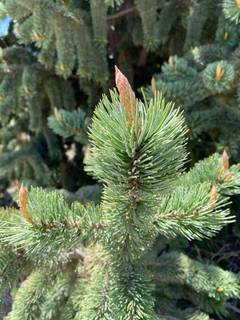
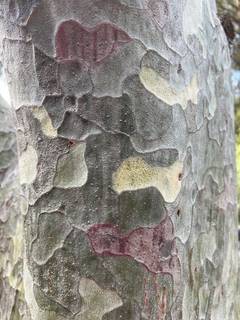
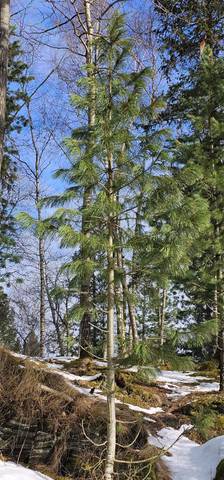
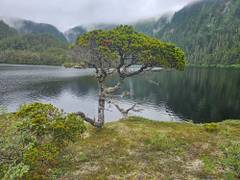
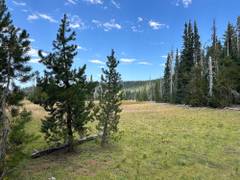
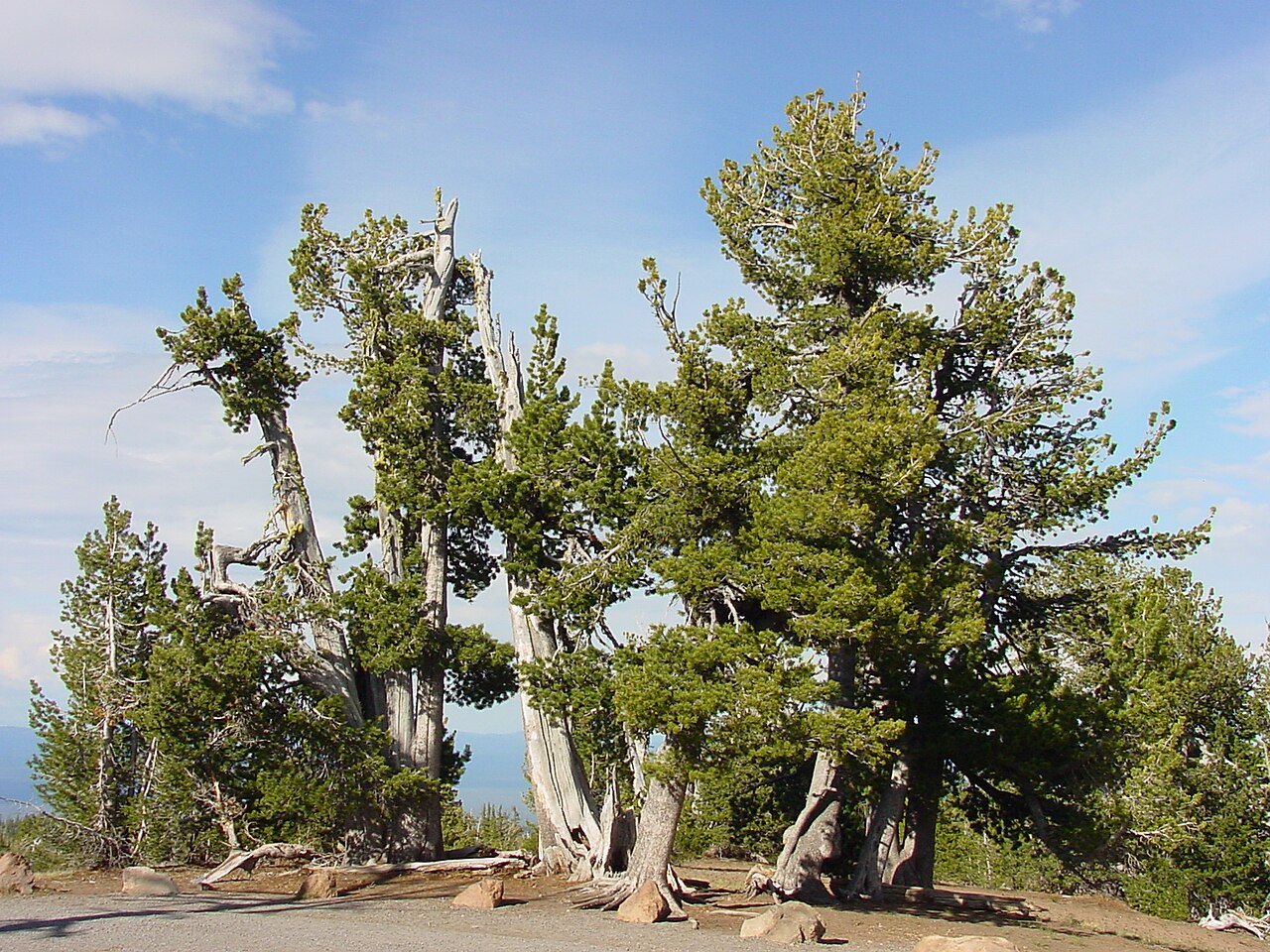
Pinus albicaulis is whitebark pine, a five-needle (soft) evergreen conifer growing 240-480 inches (600-1,200 cm / 20-40 feet) tall and 180-300 inches (450-750 cm / 15-25 feet) wide at lower subalpine elevations; at treeline, the form becomes krummholz (stunted and wind-shaped, sometimes under 72 inches / 180 cm). Dark green needles 1.5-3 inches (4-7 cm) in fascicles of 5 with faint white stomatal lines. Whitish-gray young bark darkens and furrows with age — the species name 'albicaulis' means 'white-stemmed.' In the pine family (Pinaceae), subgenus Strobus. The indehiscent cones 2-3 inches (5-7 cm) do not open on their own — they are torn apart by Clark's nutcracker (Nucifraga columbiana), which caches the large wingless seeds and is the primary dispersal agent. This mutualism is obligate: P. albicaulis depends on the bird for seed dispersal. A keystone species of subalpine-alpine ecosystems in western North America. Threatened by white pine blister rust (Cronartium ribicola), mountain pine beetle (Dendroctonus ponderosae), and climate-driven upslope habitat loss. Listed as threatened under the US Endangered Species Act (2022). Native to subalpine-alpine elevations (5,000-12,000 feet / 1,500-3,700 m) from BC and Alberta to California and Wyoming. Extremely slow-growing. Non-toxic. Deer-resistant. Full sun. Native. Zones 3-7.
Native Range
Native to western North America (BC and Alberta south to California and Wyoming), growing at subalpine-alpine elevations of 5,000-12,000 feet (1,500-3,700 m) near treeline.Suggested Uses
Retained as a native component of subalpine-alpine ecosystems in zones 3-7. Not typically planted in lowland gardens (intolerant of heat and humidity). Planted in restoration and conservation projects. Keystone species — supports Clark's nutcracker, grizzly bear, and other wildlife. ESA-listed threatened species. Native.How to Identify
Appearance
Size & Dimensions
Height20' - 40'
Width/Spread15' - 25'
Bloom Information
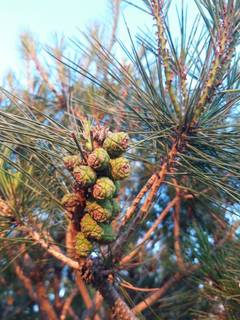
Male strobili release pollen June-July. Female cones ripen over 2 years to 2-3 inches (5-7 cm), ovoid, purple-brown, indehiscent. Seed dispersal by Clark's nutcracker — the obligate mutualism is the species reproduction mechanism.
Detailed Descriptions
Flower Description
Male strobili release pollen June-July; female cones ovoid 2-3 inches (5-7 cm) purple-brown, indehiscent (do not open on their own — bird-dispersed); 2-year maturationFoliage Description
Dark green with faint white stomatal lines; needles 1.5-3 inches (4-7 cm) in fascicles of 5; clustered at branch tipsGrowing Conditions
Sun Requirements
Requires 6-12 hours of direct sunlight daily
• Full Sun: 6+ hours of direct sunlight
• Partial Shade: 3-6 hours of direct sunlight
• Full Shade: Less than 3 hours of direct sunlight