Image 1 of 13
1 / 13
Plant Reference
Pinus, Genus, densiflora, Species,
- Genus & species
Japanese red pine
Japan, Korea, northeastern China, Russian Far East; elevations to 5,900 feet (1,800 m)
Overview
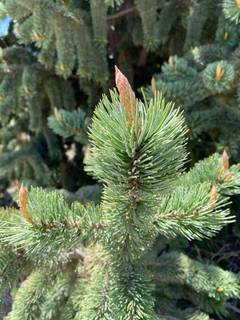
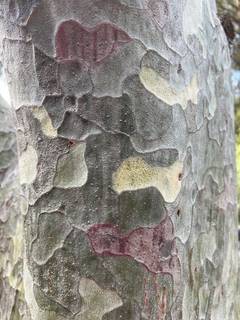
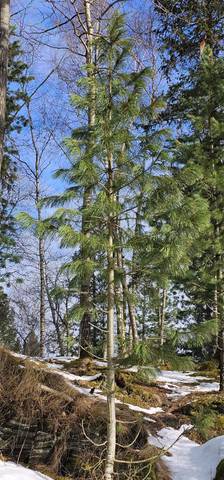
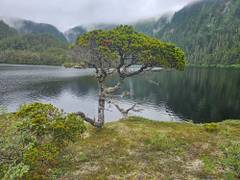
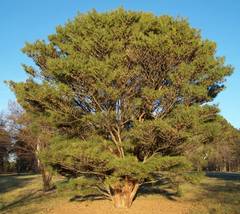
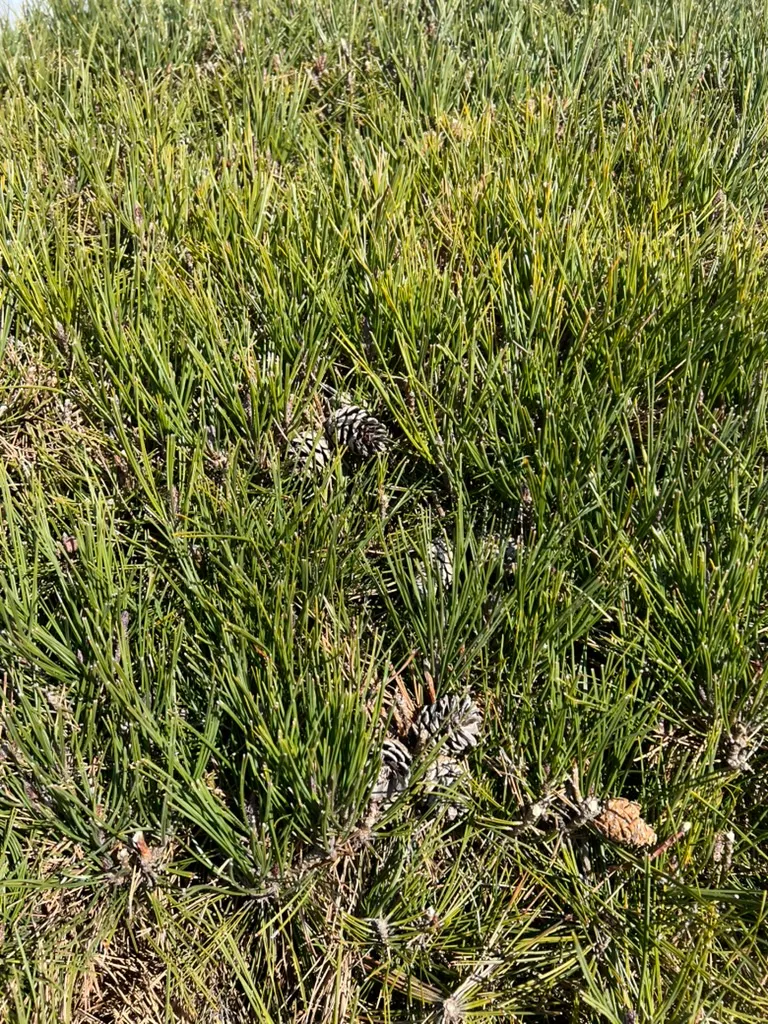
Pinus densiflora is a medium to large evergreen pine native to Japan, Korea, and northeastern China, with an irregular, broadly spreading crown that develops character with age. Trees reach 40–60 feet (12–18 m) tall and 30–50 feet (9–15 m) wide at maturity; growth rate is 12–24 inches (30–60 cm) per year when young, slowing with age. The trunk is often sinuous or multi-stemmed, with orange-red to cinnamon-colored bark on the upper trunk and branches, contrasting with gray-brown furrowed bark at the base. The crown becomes broadly spreading and irregular, rarely maintaining a formal pyramidal shape. Needles are in bundles of two, 3–5 inches (7.5–12.5 cm) long, slender, bright green, and slightly twisted. Cones are ovoid, 1.5–2.5 inches (4–6 cm) long, light brown, opening at maturity. The species is susceptible to Diplodia tip blight and pine wilt nematode; in Pacific Northwest conditions, both are less prevalent than in eastern North America, but Diplodia can be a problem on stressed trees.
Native Range
Pinus densiflora is native to Japan, Korea, northeastern China, and the Russian Far East, growing in mixed forests, coastal areas, and mountain slopes at elevations up to 5,900 feet (1,800 m).Suggested Uses
Planted as a specimen tree in larger residential landscapes, parks, and Japanese-style gardens, spaced 25–30 feet (7.6–9 m) from adjacent plants to accommodate the broad crown. The orange-red upper bark and irregular branching structure are most visible when the lower trunk is kept clear of branches. The eventual spread of 30–50 feet (9–15 m) limits use in confined sites.How to Identify
Appearance
Size & Dimensions
Height40' - 60'
Width/Spread30' - 50'
Bloom Information
Male strobili are yellow, releasing pollen in April–May. Female cones are ovoid, 1.5–2.5 inches (4–6 cm) long, green when young, ripening to light brown in the second season. Cones open at maturity to release winged seeds; production begins at 10–15 years.
Detailed Descriptions
Flower Description
yellow (male strobili)Foliage Description
bright greenGrowing Conditions
Sun Requirements
Requires 6-12 hours of direct sunlight daily
• Full Sun: 6+ hours of direct sunlight
• Partial Shade: 3-6 hours of direct sunlight
• Full Shade: Less than 3 hours of direct sunlight
Care & Maintenance
Care Guide
Water weekly during the first two growing seasons; established trees tolerate 3–4 weeks without rain. Well-drained soil is essential; poorly drained sites cause root rot. Tolerates sandy, loamy, and slightly alkaline soils. Diplodia tip blight causes browning of new growth in late spring; infection is favored by wet conditions during bud break and is more prevalent on stressed trees. Pine wilt nematode, transmitted by pine sawyer beetles, causes rapid wilting and death but is less prevalent in the Pacific Northwest than in eastern North America. Red pine scale has been recorded on this species in some regions. The irregular, spreading crown requires open siting to develop fully.Pruning
No pruning is required for natural form development. Candles (new growth shoots) can be shortened by half in spring to reduce annual extension and produce denser branching; this practice is traditional in Japanese garden training. Dead branches can be removed at any time. Lower branches can be removed to expose the trunk and upper bark; this does not harm the tree.Pruning Schedule
Prune: April–May
late spring