Pinus, Genus, bungeana, Species,
- Genus & species
lacebark pine
Central and northern China; 1,600–6,600 feet (500–2,000 m)
Overview
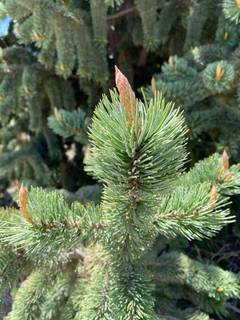
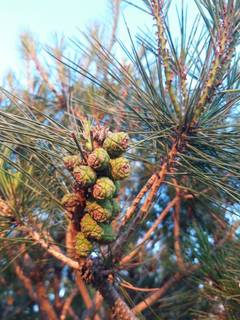
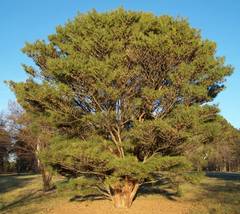
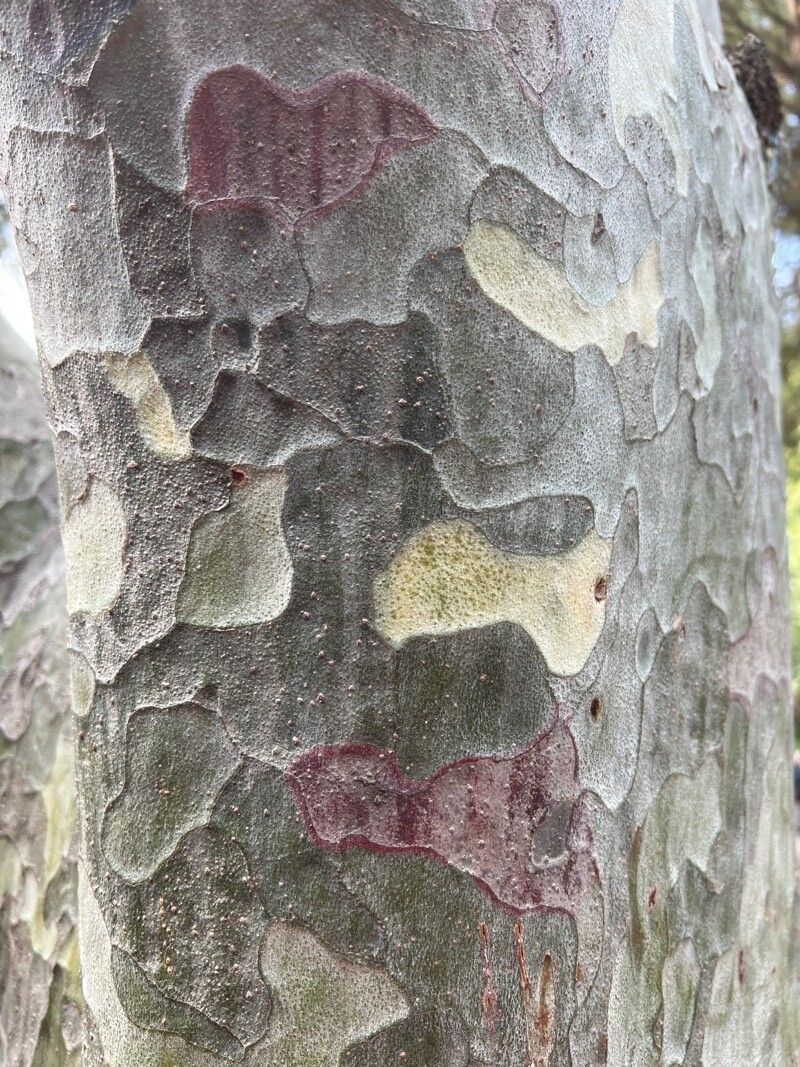
Pinus bungeana is a slow-growing evergreen pine native to central China, cultivated primarily for its exfoliating bark. Trees reach 30–50 feet (9–15 m) tall and 20–35 feet (6–10.7 m) wide at maturity; growth rate is 6–12 inches (15–30 cm) per year. The bark on young trees is gray-green, exfoliating in irregular plates to reveal white, cream, olive-green, and russet patches beneath, creating a multi-colored mosaic on mature trunks and branches. The effect becomes more pronounced after 20–30 years. Trees are typically multi-trunked, with an open, broadly pyramidal to rounded crown. Needles are in bundles of three, 2.5–4 inches (6–10 cm) long, stiff, sharp-pointed, bright green. Cones are 2–3 inches (5–7.5 cm) long, ovoid, light brown. The slow growth rate means bark ornamental effect takes many years to develop; young nursery trees show little of the mature bark character.
Native Range
Pinus bungeana is native to central and northern China, growing in mixed forests and on rocky hillsides at elevations of 1,600–6,600 feet (500–2,000 m), with major populations in Shanxi, Shaanxi, Henan, and Gansu provinces.Suggested Uses
Planted as a specimen tree in larger residential landscapes and parks, spaced 20–25 feet (6–7.6 m) from adjacent plants to accommodate mature spread. The multi-trunk form and eventual spread of 20–35 feet (6–10.7 m) require open siting away from structures. The bark effect is minimal for the first 15–20 years and becomes most pronounced after 30+ years, requiring long-term planning.How to Identify
Appearance
Size & Dimensions
Height30' - 50'
Width/Spread20' - 35'
Bloom Information
Male strobili are yellow, releasing pollen in April–May. Female cones are ovoid, 2–3 inches (5–7.5 cm) long, ripening from green to light brown in the second season. Cone production begins at 20–30 years and increases with maturity.
Detailed Descriptions
Flower Description
yellow (male strobili)Foliage Description
bright greenGrowing Conditions
Sun Requirements
Requires 6-12 hours of direct sunlight daily
• Full Sun: 6+ hours of direct sunlight
• Partial Shade: 3-6 hours of direct sunlight
• Full Shade: Less than 3 hours of direct sunlight
Care & Maintenance
Care Guide
Water weekly during the first two growing seasons; established trees tolerate 3–4 weeks without rain. Well-drained soil is essential; standing water causes root rot and decline. Tolerates a range of soil types including clay and alkaline soils. Pine wilt nematode is a potential problem in some regions but less prevalent in Pacific Northwest conditions. Diplodia tip blight can affect branch tips under stress; healthy, well-sited trees show good resistance. Fertilization is not required in adequate soils. The multi-trunk form develops naturally and does not require training.Pruning
No pruning is needed to maintain the natural form. Dead or crossing branches can be removed in late winter. On multi-trunked specimens, branches growing into the interior can be removed to improve air circulation and reveal the bark on inner trunks. P. bungeana does not regenerate from old wood; cuts should be made to a lateral branch or the trunk.Pruning Schedule
Prune: February
early spring