Image 1 of 9
1 / 9
Plant Reference
Pinus, Genus, contorta, Species, var., Variety, contorta, Variety,
- Genus & species
- Variety
shore pine
Pacific coast from Alaska to northern California; coastal dunes, bogs, wet flats, and windswept headlands; sea level to moderate elevations
Overview
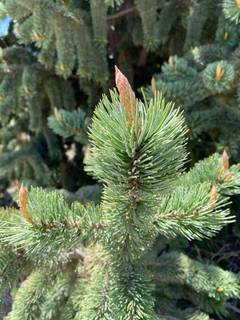
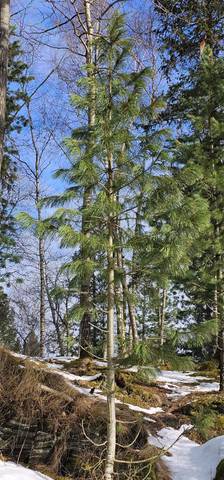
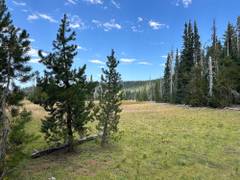
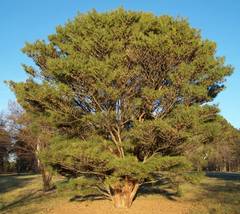
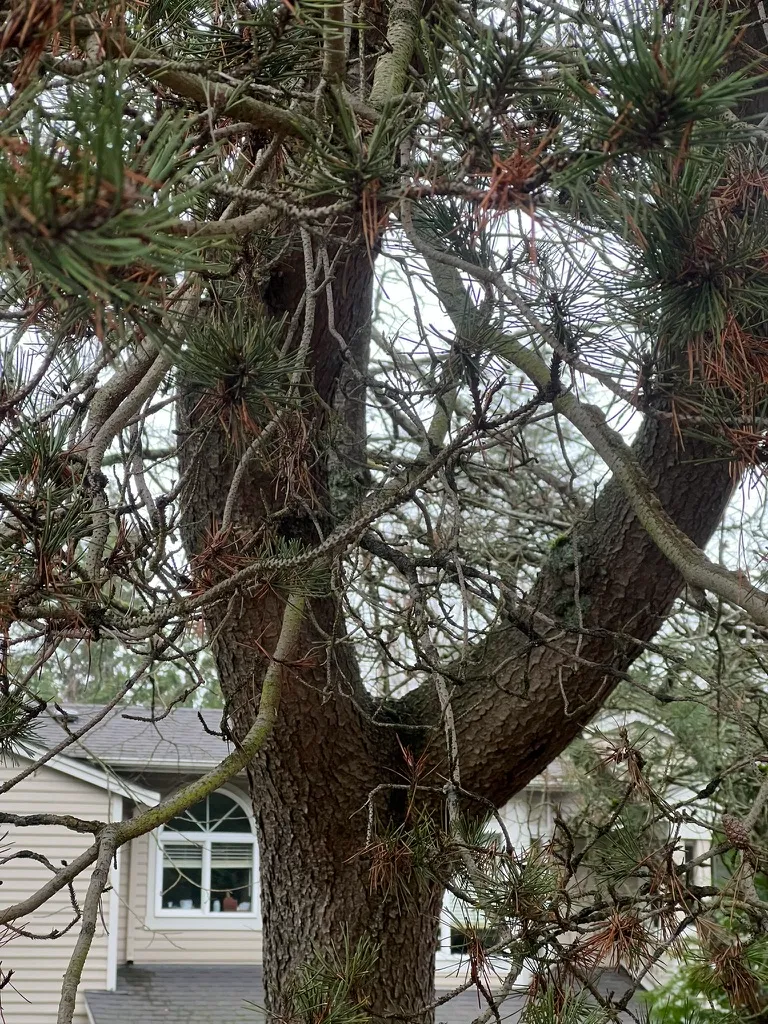
Pinus contorta var. contorta is shore pine (beach pine), an upright irregular evergreen coniferous tree growing 20-50 feet (6-15 m) tall and 10-20 feet (3-6 m) wide. Dark yellowish-green needles in fascicles of 2, short 1-2 inches (2.5-5 cm), stiff, twisted at the base. SEROTINOUS asymmetric brown cones 1-2 inches (2.5-5 cm) persist in clusters on branches for years. In Pinaceae. Contorta = twisted. The coastal variety — distinguished from var. latifolia (lodgepole) by the shorter stature, dense irregular wind-sculpted crown, and coastal habitat. Tolerates salt spray, sandy soil, wet and poorly drained soils, and bog edges. Native to the Pacific coast from Alaska to northern California. The wind-sculpted form is the primary landscape character. Pine pitch canker is a concern in California. Non-toxic. Deer-resistant. Zones 5-8. Full sun. Growth rate is moderate.
Native Range
Native to the Pacific coast from Alaska to northern California. Found on coastal dunes, bogs, wet flats, and windswept headlands at sea level to moderate elevations.Suggested Uses
Grown as a native coastal specimen tree, windbreak, and dune stabilization, spaced 10-20 feet (3-6 m). Tolerates salt, wet soils, and bogs. Wind-sculpted form. Not suitable for containers. Non-toxic. Zones 5-8.How to Identify
Appearance
Size & Dimensions
Height20' - 50'
Width/Spread10' - 20'
Bloom Information
Spring (April-May). Wind-pollinated. Small yellowish male cones at twig bases. 3 weeks. Serotinous asymmetric brown cones 1-2 inches (2.5-5 cm) develop and persist for years.
Detailed Descriptions
Flower Description
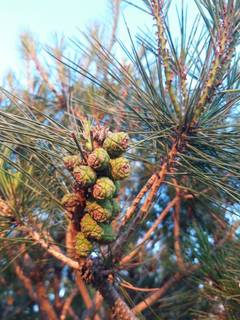
Wind-pollinated; small yellowish male cones at twig bases in April-May; small asymmetric prickle-armed brown cones 1-2 inches (2.5-5 cm) — SEROTINOUS (persist in clusters on branches for many years, opening gradually or with heat from fire)Foliage Description
Dark yellowish-green, needles in fascicles of 2, short 1-2 inches (2.5-5 cm), stiff, twisted at the base (contorta = twisted); densely packed on the branches; the twisted needle base is a diagnostic featureGrowing Conditions
Sun Requirements
Requires 6-12 hours of direct sunlight daily
• Full Sun: 6+ hours of direct sunlight
• Partial Shade: 3-6 hours of direct sunlight
• Full Shade: Less than 3 hours of direct sunlight
Care & Maintenance
Care Guide
Full sun (6-12 hours). Sandy, loamy, or peaty soil pH 4.5-7.0. Tolerates salt spray, wet soils, and bog edges. Drought-tolerant once established. Pine pitch canker concern in California. Non-toxic. Deer-resistant. Zones 5-8.Pruning
Prune in winter (November-December) if needed. The natural irregular wind-sculpted form is the primary landscape feature — preserve it. Remove dead or damaged branches. Do not shear or formalize.Pruning Schedule
Prune: November–December
winter