Phylica, Genus, spp., Multiple species,
- Genus
- Multiple species
hardleaves
Cape Region of South Africa, with island outliers
Overview
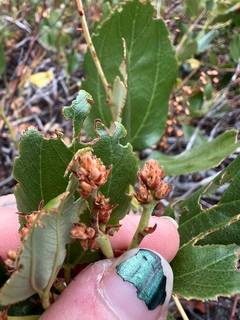
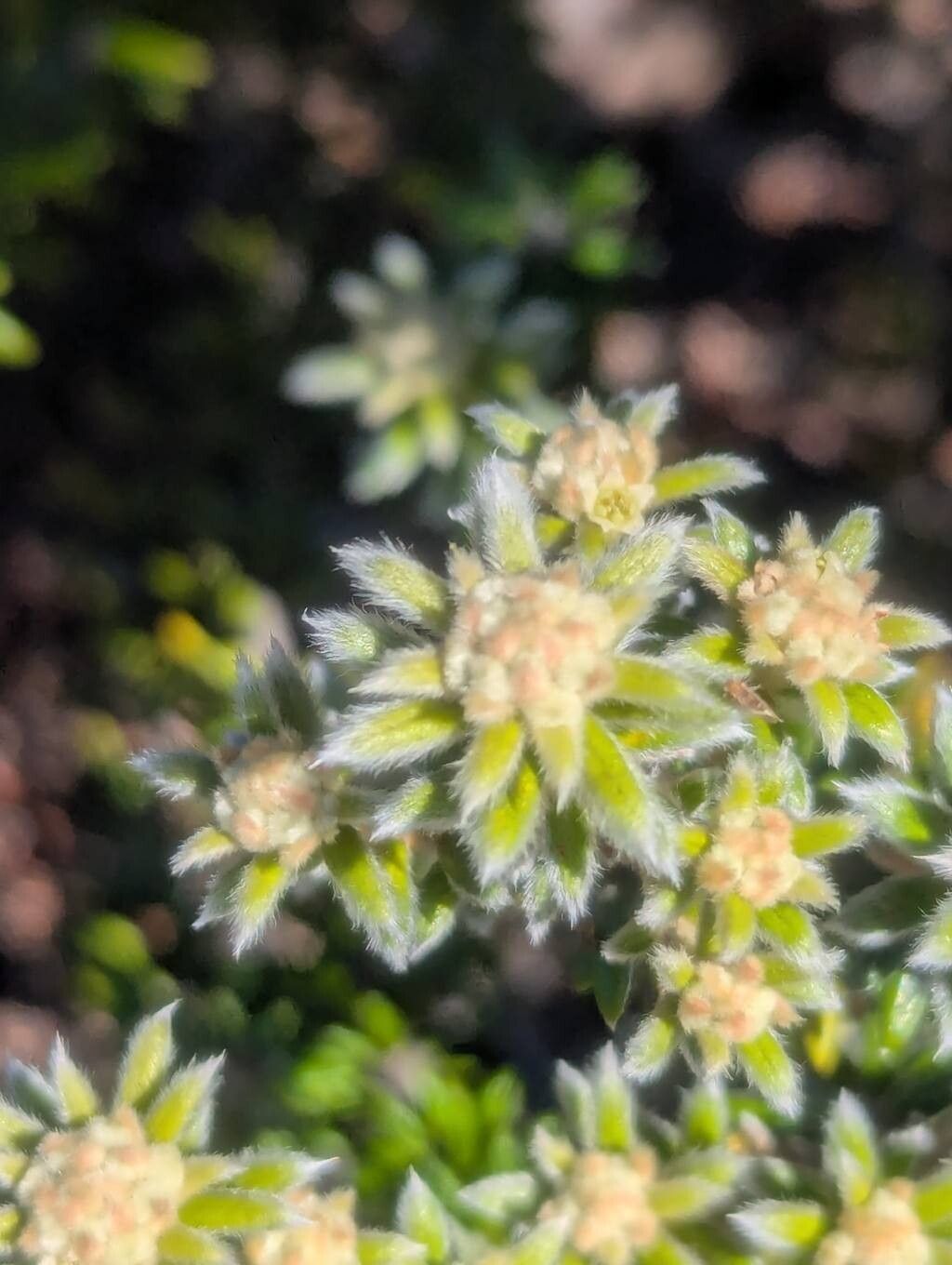
Phylica is a genus of about 150 evergreen shrubs and shrublets in the family Rhamnaceae, centred in the fynbos of South Africa with additional species on islands of the southern Atlantic and Indian Oceans. Most form wiry, much-branched bushes 1–6 ft (0.3–1.8 m) tall, clothed in small, narrow, heath-like leaves 0.2–1 in (5–25 mm) long that often roll under at the margins and carry woolly hairs beneath. The tiny flowers lack showy petals and are gathered into dense terminal heads surrounded by hairy bracts; in species such as P. pubescens the bracts and flower hairs form soft, golden, feather-like plumes, while others bear simpler whitish or greenish clusters. Flowering runs mainly from autumn into spring. Small dry fruits follow and split to release seeds. Phylica grows in full sun on acidic, sandy, low-nutrient soils with sharp drainage, conditions typical of fynbos, and is adapted to wind, drought, and fire. The shrubs are frost-tender, suited to USDA zones 9–10, and decline in rich soil, with poor tolerance of root disturbance and waterlogging.
Native Range
Phylica is concentrated in the Cape Floristic Region of South Africa, with outlying species on Madagascar and remote southern islands such as Tristan da Cunha and the Mascarenes. The shrubs grow on acidic, sandy fynbos slopes and coastal flats, often in exposed, windy, nutrient-poor sites.Suggested Uses
Phylica is grown in fynbos and coastal gardens, gravel beds, and large containers in frost-free, dry-summer regions, and the plumed species are cultivated for cut and dried flower heads. The wind- and salt-tolerant shrubs suit exposed seaside plantings. They are grown under glass as conservatory and cool-greenhouse subjects in areas with cold winters.How to Identify
Appearance
Size & Dimensions
Height1' - 6'
Width/Spread1' - 5'
Bloom Information
Flowering is concentrated from autumn through spring in its native winter-rainfall climate, with the feathery bracts holding their look for many weeks. In cultivation the plumed heads appear mainly in cooler months. The dried heads persist and are cut for everlasting arrangements.
Detailed Descriptions
Flower Description
white, green, and goldenFoliage Description
green to grey-greenGrowing Conditions
Sun Requirements
Requires 6-12 hours of direct sunlight daily
• Full Sun: 6+ hours of direct sunlight
• Partial Shade: 3-6 hours of direct sunlight
• Full Shade: Less than 3 hours of direct sunlight
Care & Maintenance
Care Guide
Phylica grows in full sun and sharply drained, acidic, sandy soil low in nutrients and phosphorus, matching its fynbos origins. The shrubs tolerate wind, salt spray, and drought once established but decline in rich, limey, or waterlogged ground. Watering is moderate, with the roots kept on the dry side and never fed with phosphate-rich fertiliser, which can damage fynbos plants. Most species are frost-tender and grow outdoors only in zones 9–10 or under cover elsewhere. Propagation is by seed, often aided by smoke treatment, or by semi-ripe cuttings. The plants are typically short-lived, lasting several years to a couple of decades.Pruning
A light trim after flowering keeps the wiry growth bushy and removes spent heads. Cutting is kept to young, leafy stems, since growth from old bare wood is unreliable. Pinching the tips of young plants encourages branching.Pruning Schedule
Prune: April
spring
Container Growing
Suitable for container growing
Minimum container size: 3 gallons